


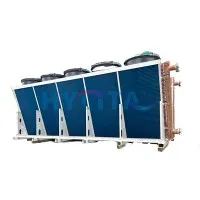
As a supplier of finned tube radiators, I often get asked about the versatility of our products across different industries. One question that has come up recently is whether a finned tube radiator can be used in the leather industry. In this blog post, I'll explore the potential applications of finned tube radiators in the leather industry, discuss the benefits they offer, and provide some insights into the types of radiators that might be most suitable.
The Leather Industry and Its Heating Requirements
The leather industry involves a series of complex processes, including tanning, drying, and finishing. Each of these processes requires precise temperature control to ensure the quality and consistency of the final product. For example, during the tanning process, the hides are treated with chemicals in large vats, and maintaining a specific temperature is crucial for the chemical reactions to occur properly. Similarly, the drying process requires careful regulation of temperature and humidity to prevent the leather from cracking or becoming too brittle.
How Finned Tube Radiators Work
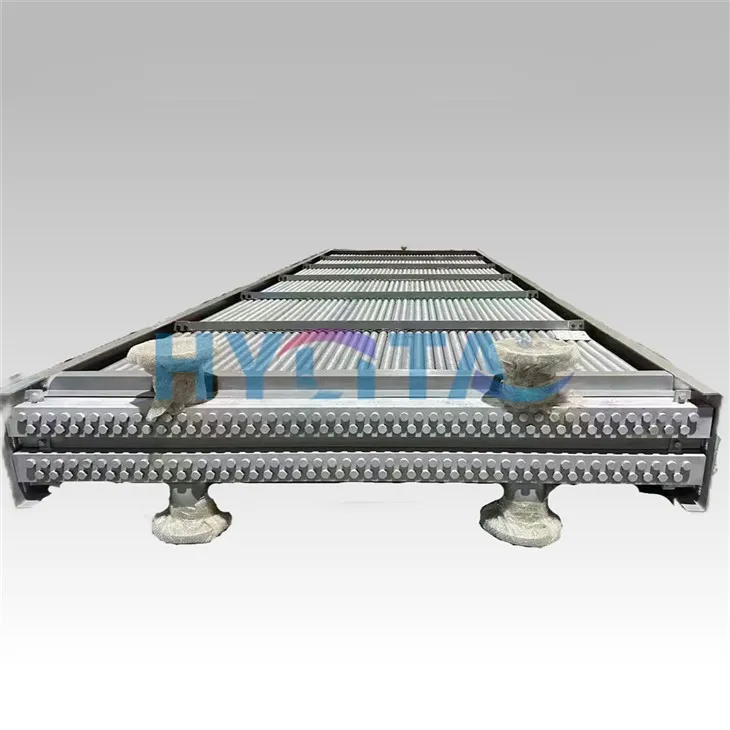
Finned tube radiators are heat exchangers that use a series of fins attached to a tube to increase the surface area available for heat transfer. The fins can be made of various materials, such as aluminum or copper, and are designed to enhance the efficiency of heat transfer from the fluid inside the tube to the surrounding air. The fluid inside the tube can be steam, hot water, or another heat transfer medium, depending on the specific application.
Benefits of Using Finned Tube Radiators in the Leather Industry
There are several benefits to using finned tube radiators in the leather industry:
- Efficient Heat Transfer: The fins on the tubes significantly increase the surface area available for heat transfer, allowing for more efficient heating of the surrounding air. This means that less energy is required to achieve the desired temperature, resulting in cost savings for the leather manufacturer.
- Precise Temperature Control: Finned tube radiators can be easily adjusted to provide precise temperature control, which is essential for the leather manufacturing process. This helps to ensure that the leather is treated at the correct temperature, resulting in a higher quality product.
- Durability: Finned tube radiators are designed to be durable and can withstand the harsh conditions typically found in the leather industry. They are resistant to corrosion and can operate effectively in high-temperature environments.
- Versatility: Finned tube radiators can be used in a variety of applications within the leather industry, including tanning, drying, and finishing. They can be customized to meet the specific requirements of each application, making them a versatile solution for leather manufacturers.
Types of Finned Tube Radiators Suitable for the Leather Industry
There are several types of finned tube radiators that are suitable for use in the leather industry:
- Steam Exchanger: Steam exchangers are commonly used in the leather industry for heating applications. They use steam as the heat transfer medium and can provide high levels of heat transfer efficiency. Steam exchangers are available in a variety of sizes and configurations to meet the specific requirements of each application.
- SS Radiator: SS radiators, or stainless steel radiators, are ideal for use in the leather industry due to their corrosion resistance and durability. They can be used in applications where the radiator is exposed to harsh chemicals or high humidity levels. SS radiators are available in a range of sizes and fin configurations to suit different heating requirements.
- Hot Water Radiator: Hot water radiators are another popular choice for the leather industry. They use hot water as the heat transfer medium and can provide a more gentle and consistent heat compared to steam exchangers. Hot water radiators are suitable for applications where precise temperature control is required, such as drying and finishing processes.
Case Studies
To illustrate the effectiveness of finned tube radiators in the leather industry, let's look at a few case studies:

- Tanning Process: A leather manufacturer was experiencing problems with inconsistent tanning results due to poor temperature control in their tanning vats. They installed a Steam Exchanger finned tube radiator to provide more precise temperature control. The result was a significant improvement in the quality of the tanned leather, with fewer defects and a more consistent color.
- Drying Process: Another leather manufacturer was using a traditional drying system that was energy-intensive and slow. They replaced their old system with a Hot Water Radiator finned tube radiator, which provided more efficient heat transfer and better temperature control. The new system reduced drying time by 30% and energy consumption by 20%, resulting in significant cost savings for the manufacturer.
Conclusion
In conclusion, finned tube radiators can be a valuable asset in the leather industry. Their efficient heat transfer, precise temperature control, durability, and versatility make them an ideal solution for a variety of applications within the industry. Whether you're looking to improve the quality of your tanned leather, reduce drying time, or enhance the efficiency of your finishing processes, a finned tube radiator could be the answer.
If you're interested in learning more about how our finned tube radiators can benefit your leather manufacturing process, please don't hesitate to contact us. We'd be happy to discuss your specific requirements and provide you with a customized solution.
References
- "Heat Exchanger Handbook" by R. K. Shah and D. P. Sekulic
- "Industrial Heating Equipment" by C. W. Bale