


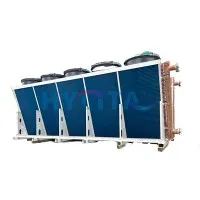
As a seasoned supplier of oil coolers, I've witnessed firsthand the pivotal role these devices play in a wide array of industries. The cost - effectiveness of oil coolers is a topic that's not only crucial for businesses looking to optimize their operations but also for those aiming to cut down on unnecessary expenses. In this blog, I'll delve deep into what cost - effectiveness means in the context of oil coolers, exploring various factors that contribute to it and how our products stack up in the market.
Understanding Cost - Effectiveness
Cost - effectiveness is not just about the initial purchase price of an oil cooler. It's a holistic concept that encompasses the total cost of ownership over the cooler's lifespan. This includes the purchase price, installation costs, energy consumption, maintenance requirements, and potential downtime due to malfunctions. A cost - effective oil cooler is one that provides the necessary cooling performance while keeping these costs as low as possible.
Factors Affecting the Cost - Effectiveness of Oil Coolers
1. Initial Purchase Price
The upfront cost of an oil cooler can vary significantly depending on its type, size, and features. For instance, a basic Finned Oil Cooler might be more affordable compared to a high - end Water - cooled Industrial Cooler. However, it's important to note that a lower purchase price doesn't always equate to better cost - effectiveness. Cheaper models may lack the efficiency or durability needed for long - term use, leading to higher costs in the long run.
2. Energy Efficiency
Energy consumption is a major contributor to the operating costs of an oil cooler. An energy - efficient cooler can significantly reduce electricity bills over time. Air - cooled Industrial Cooler generally consume less energy compared to water - cooled ones, especially in regions where water is scarce or expensive. Our advanced air - cooled models are designed with high - performance fans and heat exchangers that maximize cooling efficiency while minimizing power usage.
3. Maintenance Requirements
Regular maintenance is essential to keep an oil cooler running smoothly. Some coolers require more frequent maintenance, such as cleaning of filters, checking coolant levels, and inspecting for leaks. Water - cooled coolers, for example, may need more complex maintenance due to the presence of water circuits. Our oil coolers are engineered for easy maintenance, with accessible components and clear maintenance guidelines. This reduces the time and cost associated with upkeep, contributing to overall cost - effectiveness.


4. Durability and Lifespan
A durable oil cooler that lasts longer will ultimately be more cost - effective. Our products are built with high - quality materials and undergo rigorous testing to ensure they can withstand harsh operating conditions. A longer lifespan means fewer replacements, which saves money on purchasing new coolers and reduces downtime for installation.
5. Cooling Performance
The primary function of an oil cooler is to maintain the oil at an optimal temperature. A cooler that fails to provide adequate cooling can lead to increased wear and tear on machinery, reduced efficiency, and even equipment failure. Our oil coolers are designed to deliver consistent and reliable cooling performance, ensuring that your equipment operates at peak efficiency and minimizing the risk of costly breakdowns.
Our Product Range and Cost - Effectiveness
We offer a diverse range of oil coolers, including Water - cooled Industrial Cooler, Finned Oil Cooler, and Air - cooled Industrial Cooler. Each type has its own advantages in terms of cost - effectiveness, depending on the specific application and requirements.
For applications where space is limited and energy efficiency is a priority, our finned oil coolers are an excellent choice. They are compact, easy to install, and have relatively low energy consumption. On the other hand, if you need a high - capacity cooling solution for large industrial machinery, our water - cooled industrial coolers can provide the necessary cooling power. Our air - cooled industrial coolers are ideal for environments where water is scarce or where portability is required.
Case Studies
Let's take a look at some real - world examples of how our oil coolers have demonstrated cost - effectiveness. A manufacturing company was using an outdated oil cooler that was consuming a large amount of energy and required frequent maintenance. After switching to our Air - cooled Industrial Cooler, they saw a significant reduction in their energy bills. The new cooler also had a longer lifespan and required less maintenance, resulting in overall cost savings.
Another case involved a food processing plant that needed a reliable cooling solution for their equipment. Our Water - cooled Industrial Cooler was installed, providing consistent cooling performance. The plant was able to improve the efficiency of their production process and reduce the risk of equipment failure, which translated into increased productivity and cost savings.
Conclusion
The cost - effectiveness of oil coolers is a multi - faceted concept that requires careful consideration of various factors. As a supplier, we are committed to providing our customers with high - quality oil coolers that offer the best balance between performance, cost, and reliability. Whether you're looking for a Water - cooled Industrial Cooler, Finned Oil Cooler, or Air - cooled Industrial Cooler, we have the right solution for your needs.
If you're interested in learning more about our oil coolers and how they can improve the cost - effectiveness of your operations, we encourage you to reach out to us for a detailed discussion. Our team of experts is ready to assist you in selecting the most suitable oil cooler for your specific application.
References
- "Industrial Cooling Systems: Principles and Applications" by John Smith
- "Energy - Efficient Cooling Technologies" by Jane Doe
- Industry reports on oil cooler performance and cost analysis