


Hey there! As an oil cooler supplier, I've had the chance to work with all sorts of oil coolers. In this blog, I'm gonna break down the different types of oil coolers out there. So, whether you're in the market for an oil cooler or just curious, stick around!
Air-Cooled Oil Coolers
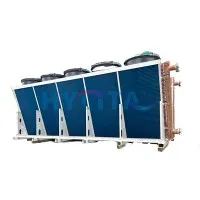
Air-cooled oil coolers are pretty common and straightforward. They use air to cool down the oil. The way they work is simple: hot oil flows through a series of tubes, and air passes over these tubes. The heat from the oil gets transferred to the air, and voila, the oil gets cooler.
One of the big advantages of air-cooled oil coolers is that they're easy to install. You don't need a complex water - cooling system. They're also relatively low - maintenance. You just need to make sure the fins on the cooler are clean so that air can flow freely. If the fins get clogged with dirt or debris, the cooling efficiency goes down.
Another plus is that they're great for applications where water isn't readily available. For example, in some remote industrial sites or mobile equipment like tractors and construction vehicles. Air - cooled oil coolers are also often more cost - effective upfront compared to water - cooled ones.
However, they do have some drawbacks. They're not as efficient as water - cooled oil coolers in extreme heat conditions. When the outside air is really hot, it can't absorb as much heat from the oil, so the cooling performance might not be as good. Also, they can be noisy because of the fans used to move the air over the tubes.
If you're interested in air - cooled oil coolers, you can check out our Finned Oil Cooler. It's designed to maximize the surface area for better heat transfer, which means more efficient cooling.


Water - Cooled Oil Coolers
Water - cooled oil coolers, as the name suggests, use water to cool the oil. The hot oil and the cooling water flow through separate channels in the cooler. The heat from the oil is transferred to the water, and then the heated water is usually sent to a radiator or a cooling tower to get rid of the heat.
One of the main advantages of water - cooled oil coolers is their high efficiency. Water has a much higher heat capacity than air, which means it can absorb a lot more heat from the oil. So, they can maintain a more consistent oil temperature, even in high - heat applications. This makes them ideal for large industrial machinery, power plants, and some high - performance engines.
They're also quieter than air - cooled oil coolers because there are no big fans making noise. And they can work well in hot environments where air - cooled coolers might struggle.
But there are some downsides too. They're more complex to install. You need a reliable water source and a proper plumbing system to circulate the water. Maintenance is also more involved. You have to worry about things like water quality. If the water has a lot of minerals or contaminants, it can cause scaling inside the cooler, which reduces its efficiency. And if there's a leak in the water system, it can lead to all sorts of problems.
If you're looking for a water - cooled option, take a look at our Water - cooled Industrial Cooler. It's built to handle the demands of industrial applications and provide efficient cooling.
Oil - Cooled Industrial Coolers
Oil - cooled industrial coolers are a bit different. They use oil itself as a cooling medium to cool other components or systems. In some industrial processes, there are parts that generate a lot of heat, and using oil to cool them can be a great solution.
These coolers are often used in applications where the oil needs to be kept at a specific temperature for the proper functioning of the equipment. For example, in hydraulic systems, the oil needs to be at the right temperature to ensure smooth operation. Oil - cooled industrial coolers can help maintain that temperature.
They're also useful in situations where water - cooling isn't suitable, maybe because of the risk of water contamination in the system. They can be more compact than some other types of coolers, which is an advantage in tight spaces.
Our Oil - cooled Industrial Cooler is designed to meet the specific needs of industrial applications. It's built to be durable and efficient, ensuring that your equipment runs smoothly.
Plate - Type Oil Coolers
Plate - type oil coolers consist of a series of thin plates stacked together. The oil and the cooling medium (either air or water) flow through alternate channels between the plates. The large surface area of the plates allows for efficient heat transfer.
These coolers are known for their compact size. They can fit into small spaces where other types of coolers might not. They're also relatively easy to clean. You can disassemble the plates and clean them individually if needed.
However, they can be more expensive than some other types of oil coolers. And they might not be suitable for applications with a lot of debris or contaminants in the oil because the narrow channels between the plates can get clogged easily.
Shell and Tube Oil Coolers
Shell and tube oil coolers are another common type. They have a large shell (a cylindrical container) with a bundle of tubes inside. The oil flows through the tubes, and the cooling medium (usually water) flows around the tubes in the shell.
They're very durable and can handle high pressures and temperatures. They're often used in heavy - duty industrial applications, like in refineries and chemical plants. They can also handle a large volume of oil.
On the flip side, they're quite large and heavy, which can be a problem if space is limited. And they can be more difficult to clean compared to plate - type coolers.
Which Type is Right for You?
Choosing the right type of oil cooler depends on several factors. First, think about the application. If you're dealing with a mobile piece of equipment, an air - cooled oil cooler might be the best choice. But if you're running a large industrial plant with a constant need for efficient cooling, a water - cooled or oil - cooled industrial cooler could be more suitable.
Consider the environment. If you're in a hot and dry area, a water - cooled cooler might give you better performance. And don't forget about the cost. You need to look at both the upfront cost and the long - term maintenance cost.
If you're still not sure which type of oil cooler is right for your needs, don't hesitate to reach out. We're here to help you make the best decision for your specific situation. Whether you need a cooler for a small engine or a large industrial system, we've got you covered.
Conclusion
There you have it! A rundown of the different types of oil coolers. Each type has its own advantages and disadvantages, and the key is to find the one that fits your specific requirements.
If you're interested in purchasing an oil cooler or have any questions about our products, feel free to contact us. We can provide you with more detailed information, help you choose the right cooler, and assist you with the installation process. Let's work together to keep your equipment running cool and efficiently!
References
- "Handbook of Heat Transfer" by Rohsenow, Hartnett, and Cho
- "Thermal Engineering" textbooks for general knowledge on heat transfer principles related to oil coolers