


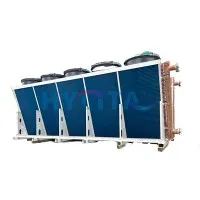
Can a heat recovery unit be used in a retrofit project? That's a question I get asked a lot as a supplier of heat recovery units. And the short answer is yes, it absolutely can! In this blog, I'll dive into the details of using heat recovery units in retrofit projects, share some benefits, and give you a few examples to illustrate how it all works.
First off, let's talk about what a heat recovery unit is. Simply put, it's a device that captures waste heat from one process and transfers it to another process where it can be used. This not only helps in saving energy but also reduces the overall operational costs. There are different types of heat recovery units, like the Exhaust Heat Exchanger, Air Preheater and Economiser, and Vapour Economizer in Boiler. Each has its own unique features and applications, but they all serve the same basic purpose of heat recovery.
Now, why would you want to use a heat recovery unit in a retrofit project? Well, there are several good reasons. One of the biggest advantages is cost - savings. By recovering waste heat, you can reduce the amount of energy needed to heat or cool a building or a process. This means lower utility bills, which is a major plus for any business or homeowner. For example, in an industrial setting, a factory might be wasting a significant amount of heat through its exhaust systems. By installing a heat recovery unit, that wasted heat can be captured and used to pre - heat incoming air or water, reducing the load on the primary heating system.
Another benefit is environmental friendliness. Using less energy means fewer greenhouse gas emissions. In today's world, where everyone is more conscious about the environment, this is a huge selling point. It can also help your business meet environmental regulations and improve its public image.


But how do you actually go about using a heat recovery unit in a retrofit project? The first step is to conduct a thorough assessment of the existing system. You need to understand where the waste heat is being generated, how much heat is available, and what the potential uses for that heat are. This might involve looking at things like the layout of the building, the type of equipment being used, and the operating schedules.
Once you have a clear picture of the situation, you can choose the right heat recovery unit for the job. This is where my expertise as a supplier comes in handy. I can help you select the most suitable unit based on your specific needs and budget. For instance, if you have a small commercial building, a simple air - to - air heat exchanger might be sufficient. On the other hand, if you're dealing with a large industrial plant, a more complex system like a vapour economizer in the boiler could be the way to go.
After selecting the unit, the next step is installation. This is a crucial part of the process, and it's important to have it done by a professional. A proper installation ensures that the heat recovery unit operates efficiently and safely. It might also involve making some modifications to the existing system, such as adding ducts or pipes to connect the unit.
Let me give you a couple of real - life examples to illustrate how heat recovery units work in retrofit projects. In a local hotel, the management was looking to reduce their energy costs. They had an old HVAC system that was wasting a lot of heat. We installed an air preheater and economiser, which captured the heat from the exhaust air and used it to pre - heat the incoming fresh air. As a result, the hotel saw a significant reduction in their heating costs, and the guests also noticed an improvement in the indoor air quality.
In an industrial food processing plant, they were using a large amount of energy to heat water for their production processes. By installing a vapour economizer in the boiler, they were able to recover the heat from the steam exhaust and use it to pre - heat the feedwater. This not only saved them a lot of money on energy but also increased the efficiency of their boiler system.
Of course, there are some challenges that you might face when using a heat recovery unit in a retrofit project. One of the main challenges is space. Sometimes, there might not be enough room to install the unit, especially in older buildings. In such cases, creative solutions might be needed, like finding alternative locations or using more compact units.
Another challenge is compatibility. The heat recovery unit needs to be compatible with the existing system. This might require some adjustments to the controls or the piping. But with the right expertise, these challenges can be overcome.
In conclusion, using a heat recovery unit in a retrofit project is definitely a viable option. It offers numerous benefits, including cost - savings, environmental friendliness, and improved efficiency. Whether you're a business owner looking to cut down on your energy costs or a homeowner wanting to make your home more energy - efficient, a heat recovery unit can be a great addition.
If you're interested in learning more about how a heat recovery unit can work for your retrofit project, or if you're ready to start the process, I'd love to have a chat with you. Feel free to reach out, and we can discuss your specific needs and come up with the best solution for you.
References
- ASHRAE Handbook of HVAC Systems and Equipment.
- Energy Star Guidelines for Commercial Buildings.
- Industrial Energy Efficiency Best Practices.