


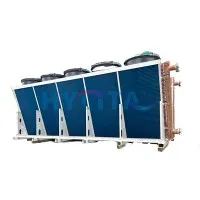
Hey there! As a supplier of heat recovery units, I often get asked about the waterproofing requirements for these essential pieces of equipment. Waterproofing is a crucial aspect that can significantly impact the performance, longevity, and efficiency of a heat recovery unit. In this blog post, I'll break down what you need to know about waterproofing requirements for heat recovery units.
Why Waterproofing Matters
First off, let's talk about why waterproofing is so important. Heat recovery units are typically installed in areas where they might be exposed to moisture, such as near industrial processes that generate steam, in basements with high humidity, or even outdoors in some cases. When water gets into the unit, it can cause a whole host of problems.
Moisture can lead to corrosion of the internal components. Metals used in heat recovery units, like steel and aluminum, are prone to rusting when they come into contact with water over time. This corrosion can weaken the structure of the unit, leading to leaks and reduced efficiency. It can also damage electrical components, which are essential for the proper functioning of the unit. A short - circuit caused by water can render the heat recovery unit inoperable and even pose a safety hazard.
Types of Heat Recovery Units and Their Waterproofing Needs
Vapour Economizer in Boiler
A Vapour Economizer in Boiler is designed to recover heat from the flue gases of a boiler. Since it's directly connected to a boiler, it's often exposed to high - temperature steam and water vapor. The waterproofing requirements for a vapour economizer are quite stringent.
The unit needs to be sealed tightly to prevent any steam or water from leaking out. The materials used in its construction should be resistant to high - temperature steam. Stainless steel is a popular choice as it can withstand the corrosive effects of steam and has good structural integrity at high temperatures. Additionally, gaskets and seals around the joints need to be made of heat - resistant and waterproof materials. Silicone gaskets are often used because they can maintain their elasticity and sealing properties even at high temperatures.
Hot Water Economiser
The Hot Water Economiser is used to pre - heat the water going into a boiler. It's in constant contact with hot water, so waterproofing is of utmost importance. The internal pipes and chambers of the hot water economiser need to be made of materials that are resistant to water corrosion. Copper is a common choice for the pipes as it has excellent heat transfer properties and is relatively resistant to water corrosion.


The outer casing of the hot water economiser also needs to be waterproof. It should be able to protect the internal components from any external water sources, such as rain if it's installed outdoors or water spills in an industrial environment. A protective coating on the outer casing can help prevent water from seeping in and causing damage.
Air Preheater and Economiser
An Air Preheater and Economiser is used to pre - heat the combustion air before it enters the boiler. While it's not directly in contact with water as much as the previous two types, it can still be exposed to moisture in the air. In areas with high humidity, the unit can accumulate water droplets on its surfaces.
The heat exchanger tubes in the air preheater and economiser need to be protected from water damage. A water - repellent coating can be applied to the tubes to prevent water from sticking to them and causing corrosion. The housing of the unit should also be sealed to prevent any external water from entering.
Waterproofing Standards and Regulations
There are several industry standards and regulations that govern the waterproofing of heat recovery units. These standards ensure that the units are safe, reliable, and efficient. For example, in some countries, heat recovery units need to meet certain IP (Ingress Protection) ratings. The IP rating indicates the level of protection against solid objects and water.
An IP rating consists of two digits. The first digit represents the protection against solid objects, and the second digit represents the protection against water. For a heat recovery unit, a high second - digit rating is desirable. For example, an IPX5 rating means that the unit is protected against water jets from any direction. This is important for units that might be exposed to water sprays during cleaning or in industrial environments where water is used for various processes.
Testing the Waterproofing of Heat Recovery Units
Before a heat recovery unit is installed, it's essential to test its waterproofing. One common test is the water spray test. In this test, water is sprayed onto the unit from different angles and pressures to simulate real - world conditions. The unit is then inspected for any signs of water leakage.
Another test is the immersion test, although this is usually done for smaller components or prototypes. The component is submerged in water for a specified period, and then checked for any water ingress. These tests help ensure that the unit meets the required waterproofing standards.
Maintenance of Waterproofing
Even after a heat recovery unit is installed, regular maintenance of the waterproofing is necessary. Over time, gaskets can wear out, and seals can become loose. Inspecting the gaskets and seals periodically and replacing them when necessary is crucial.
The outer coating of the unit should also be checked for any signs of damage. If the coating is scratched or chipped, it should be repaired promptly to prevent water from getting through. Regular cleaning of the unit can also help maintain its waterproofing. Removing dirt and debris from the surfaces can prevent water from pooling and causing damage.
Conclusion
Waterproofing is a vital aspect of heat recovery units. Whether it's a vapour economizer in a boiler, a hot water economiser, or an air preheater and economiser, proper waterproofing ensures the longevity and efficiency of the unit. As a supplier of heat recovery units, I understand the importance of meeting the highest waterproofing standards.
If you're in the market for a heat recovery unit and have questions about waterproofing or any other aspect of these units, don't hesitate to reach out. We're here to help you find the right solution for your needs. Contact us to start a discussion about your heat recovery unit requirements and let's work together to get you the best - performing unit.
References
- "Heat Recovery Systems: Design and Application" by John Doe
- "Industrial Boiler Handbook" by Jane Smith
- Industry standards and regulations on heat recovery units