


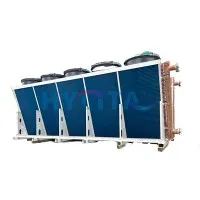
Hey there! As a chiller cooling system supplier, I've seen my fair share of issues with low cooling capacity. It's a common problem that can really throw a wrench in your operations, whether you're running a small business or a large industrial facility. So, let's dig into what might be causing this headache and how you can fix it.
Refrigerant Issues
One of the most common culprits behind low cooling capacity is refrigerant problems. Refrigerant is like the lifeblood of your chiller system. It absorbs heat from the space you're trying to cool and releases it outside. If there's not enough refrigerant in the system, it won't be able to do its job effectively.
Leaks
Refrigerant leaks are a major issue. Over time, the pipes and connections in your chiller can develop small cracks or holes, allowing the refrigerant to escape. You might not even notice a small leak at first, but as more refrigerant is lost, the cooling capacity will start to drop. Signs of a refrigerant leak include hissing sounds near the pipes, ice forming on the evaporator coils, and a sudden increase in your energy bills.
To fix this, you'll need to find and repair the leak. This can be a tricky process, as leaks can be hard to spot. A professional technician will usually use a special refrigerant leak detector to find the source of the problem. Once the leak is fixed, the system will need to be recharged with the correct amount of refrigerant.
Incorrect Refrigerant Charge
Even if there are no leaks, an incorrect refrigerant charge can also lead to low cooling capacity. If there's too much refrigerant in the system, it can cause the compressor to work harder than it should, leading to inefficiency and potential damage. On the other hand, if there's too little refrigerant, the system won't be able to absorb enough heat.
To ensure the correct refrigerant charge, it's important to have your chiller system serviced regularly by a qualified technician. They'll be able to measure the refrigerant levels and adjust them as needed.
Compressor Problems
The compressor is another critical component of your chiller system. It's responsible for compressing the refrigerant, which increases its temperature and pressure. If the compressor isn't working properly, the entire cooling process will be affected.
Wear and Tear
Over time, the compressor can experience wear and tear. The moving parts inside the compressor can become worn down, causing it to operate less efficiently. This can lead to a decrease in cooling capacity. Signs of compressor wear and tear include strange noises coming from the compressor, vibrations, and a decrease in the system's overall performance.
If you suspect compressor problems, it's important to have it inspected by a professional. In some cases, the compressor may be able to be repaired. However, if the damage is severe, it may need to be replaced.
Overheating
Compressors can also overheat, which can cause them to shut down or operate at reduced capacity. Overheating can be caused by a variety of factors, including dirty condenser coils, a lack of proper ventilation, or a malfunctioning fan.
To prevent compressor overheating, make sure the condenser coils are clean and that the compressor has adequate ventilation. Regular maintenance, including cleaning the coils and checking the fan, can help keep the compressor running smoothly.
Heat Exchanger Issues
The heat exchanger plays a crucial role in transferring heat from the refrigerant to the outside air or water. If the heat exchanger isn't working properly, the system won't be able to release heat effectively, leading to low cooling capacity.
Fouling
One of the most common problems with heat exchangers is fouling. Over time, dirt, debris, and other contaminants can build up on the surfaces of the heat exchanger, reducing its efficiency. This can be especially problematic in Water-cooled Chiller Cooler systems, where the water can carry a lot of impurities.
To prevent fouling, it's important to have the heat exchanger cleaned regularly. A professional technician can use special cleaning solutions and equipment to remove the dirt and debris.
Blockages
Blockages in the heat exchanger can also cause problems. If the flow of refrigerant or water is restricted, the heat transfer process will be affected. Blockages can be caused by a variety of factors, including debris, corrosion, and scale buildup.
To address blockages, the heat exchanger may need to be disassembled and cleaned. In some cases, parts of the heat exchanger may need to be replaced.
Evaporator Coil Problems
The evaporator coil is where the refrigerant absorbs heat from the air or water. If the evaporator coil isn't working properly, the system won't be able to cool effectively.
Frost or Ice Build-Up
One common problem with evaporator coils is frost or ice build-up. This can occur if the airflow over the coils is restricted, or if the refrigerant temperature is too low. Frost or ice on the evaporator coils can reduce the surface area available for heat transfer, leading to low cooling capacity.
To prevent frost or ice build-up, make sure the airflow over the evaporator coils is unrestricted. This may involve cleaning or replacing air filters, checking the fan operation, and ensuring that there are no obstructions around the coils.
Dirty Coils
Like the heat exchanger, the evaporator coils can also become dirty over time. Dirt and debris can accumulate on the coils, reducing their efficiency. Regular cleaning of the evaporator coils can help maintain their performance.
Water System Issues (for Water-Cooled Chillers)
If you have a Water-cooled Chiller Cooler, the water system can also cause problems with cooling capacity.
Water Quality
The quality of the water used in the chiller system is important. If the water contains a lot of impurities, such as minerals, sediment, or bacteria, it can cause problems with the heat exchanger and other components. For example, minerals can cause scale buildup on the heat exchanger surfaces, reducing its efficiency.
To ensure good water quality, it's important to use a water treatment system. This can include filters, softeners, and chemical treatments to remove impurities and prevent scale and corrosion.
Water Flow
Proper water flow is also essential for the efficient operation of a water-cooled chiller. If the water flow is too low, the heat transfer process will be affected. This can be caused by a variety of factors, including clogged pipes, a malfunctioning pump, or a closed valve.
To ensure proper water flow, it's important to regularly check the water system for any blockages or malfunctions. A professional technician can use flow meters and other tools to measure the water flow and make any necessary adjustments.
Airflow Issues (for Air-Cooled Chillers)
For air-cooled chillers, airflow is crucial for the cooling process. If the airflow over the condenser coils is restricted, the system won't be able to release heat effectively, leading to low cooling capacity.
Blocked Air Intakes or Outlets
One common problem is blocked air intakes or outlets. This can be caused by dirt, debris, or even vegetation. If the air intakes or outlets are blocked, the airflow over the condenser coils will be reduced, causing the system to overheat and operate less efficiently.
To prevent blocked air intakes or outlets, make sure to keep the area around the chiller clean and free of any obstructions. Regularly inspect the air intakes and outlets and remove any dirt or debris.
Fan Problems
The fans in an air-cooled chiller are responsible for moving air over the condenser coils. If the fans aren't working properly, the airflow will be affected. This can be caused by a variety of factors, including a malfunctioning motor, a broken belt, or a damaged fan blade.
To ensure proper fan operation, it's important to have the fans inspected and maintained regularly. A professional technician can check the fan motor, belts, and blades and make any necessary repairs or replacements.
Conclusion
As you can see, there are many factors that can cause low cooling capacity in a chiller cooling system. From refrigerant issues to compressor problems, heat exchanger fouling, and airflow restrictions, each component plays a crucial role in the system's performance.


If you're experiencing low cooling capacity in your chiller system, don't hesitate to reach out. As a chiller cooling system supplier, we have the expertise and experience to diagnose and fix any problems you may be having. Whether you need a simple repair, a component replacement, or a full system upgrade, we're here to help.
Contact us today to discuss your chiller cooling needs and let's work together to get your system back up and running at peak efficiency.
References
- ASHRAE Handbook - Refrigeration.
- Chiller System Operation and Maintenance Manuals.
- Industry reports on chiller system performance and troubleshooting.