


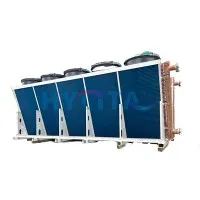
Hey there! As an air cooler supplier, I often get asked, "Can an air cooler be used in a workshop?" Well, let's dive right into this topic and find out.
First off, let's talk about what an air cooler is. An air cooler, also known as an evaporative cooler, works by using the natural process of evaporation to cool the air. It draws in warm air from the surroundings, passes it through water - soaked pads, and then blows out cooler, more humid air. It's a cost - effective and energy - efficient alternative to traditional air conditioners.
Now, let's consider the workshop environment. Workshops can be pretty tough places. They usually have a lot of machinery running, which generates heat. There might also be welding, cutting, or other processes that add to the heat. Plus, workshops can have high levels of dust, debris, and sometimes even fumes. So, can an air cooler handle all this?
Advantages of Using an Air Cooler in a Workshop
1. Cost - effectiveness
One of the biggest perks of using an air cooler in a workshop is the cost. Traditional air conditioners can be quite expensive to buy and operate. Air coolers, on the other hand, are much more budget - friendly. They consume less electricity, which means lower energy bills in the long run. If you're running a small to medium - sized workshop, this can make a huge difference to your bottom line.
2. Energy efficiency
In today's world, being energy - efficient is not just good for the wallet but also for the environment. Air coolers use a fraction of the energy that air conditioners do. They don't rely on refrigerants, which are known to have a negative impact on the ozone layer. So, if you're looking to reduce your carbon footprint while keeping your workshop cool, an air cooler is a great option.
3. Ventilation
Air coolers work by constantly drawing in fresh air from the outside, passing it through the cooling pads, and then circulating it inside the workshop. This continuous air exchange helps to improve ventilation. In a workshop where there might be fumes or dust from various processes, proper ventilation is crucial for the health and safety of the workers.
4. Humidity control
Some workshops, especially those involved in woodworking or metalworking, can benefit from the added humidity that an air cooler provides. The increased humidity can help prevent wood from drying out and cracking, and it can also reduce static electricity in metalworking environments.
Limitations of Using an Air Cooler in a Workshop
1. High humidity
While the added humidity can be an advantage in some cases, it can also be a problem in others. If your workshop has equipment that is sensitive to moisture, such as electronics or precision instruments, the increased humidity from an air cooler might cause damage. In such cases, you might need to consider other cooling options or use dehumidifiers in conjunction with the air cooler.
2. Cooling capacity
Air coolers are most effective in dry climates. In areas with high humidity, their cooling efficiency decreases significantly. If your workshop is located in a humid region, an air cooler might not be able to provide the level of cooling you need. Also, if your workshop is very large or has a high heat load from heavy machinery, you might need multiple air coolers or a more powerful cooling system.
3. Dust and debris
Workshops are often dusty places. The air intake of an air cooler can suck in dust and debris, which can clog the cooling pads and reduce the cooler's efficiency. Regular maintenance, such as cleaning the pads and filters, is essential to keep the air cooler working properly.
Types of Air Coolers Suitable for Workshops
1. Air Cooler Heat Exchanger
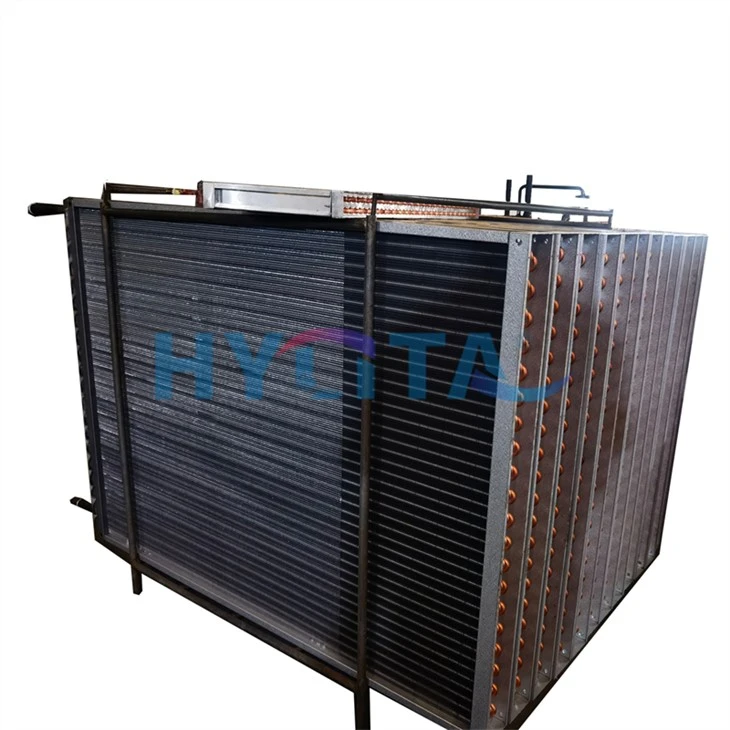
An Air Cooler Heat Exchanger is a great option for workshops. It uses a heat exchanger to transfer heat from the hot air to a cooling medium, usually water or a refrigerant. This type of air cooler can provide more efficient cooling, especially in workshops with high heat loads.
2. Air Aluminum Cooling
Air Aluminum Cooling units are lightweight and durable. Aluminum is a good conductor of heat, which makes these coolers effective at dissipating heat quickly. They are also resistant to corrosion, which is important in a workshop environment where there might be exposure to chemicals or moisture.
3. Copper Air Cooler Evaporator
The Copper Air Cooler Evaporator is another option. Copper is an excellent conductor of heat, which means it can transfer heat more efficiently than other materials. This results in better cooling performance. Copper is also relatively resistant to corrosion, making it suitable for workshop use.
Tips for Using an Air Cooler in a Workshop
1. Placement
Proper placement of the air cooler is crucial. It should be placed in an area where it can draw in fresh air and circulate it effectively throughout the workshop. Avoid placing it near sources of heat or in areas with poor air circulation.
2. Maintenance
As mentioned earlier, regular maintenance is essential. Clean the cooling pads and filters at least once a month, or more frequently if the workshop is very dusty. Check the water level regularly and refill it as needed.
3. Complementary ventilation
In addition to the air cooler, consider using exhaust fans or other ventilation systems to improve air circulation. This can help remove any fumes or dust and ensure that the air in the workshop remains fresh.
Conclusion
So, can an air cooler be used in a workshop? The answer is yes, in many cases. It offers several advantages, such as cost - effectiveness, energy efficiency, and improved ventilation. However, it also has its limitations, especially in terms of humidity control and cooling capacity. By choosing the right type of air cooler and following the tips for use and maintenance, you can effectively use an air cooler to keep your workshop comfortable and productive.
If you're interested in purchasing an air cooler for your workshop, I'd love to have a chat with you. We can discuss your specific needs and find the best solution for your workshop. Whether you're looking for an Air Cooler Heat Exchanger, Air Aluminum Cooling unit, or Copper Air Cooler Evaporator, we've got you covered. Let's work together to create a more comfortable and efficient working environment in your workshop.

References
- Engineering Toolbox: Information on air cooling systems and their performance.
- HVAC industry publications: Insights into the latest trends and technologies in air cooling.