


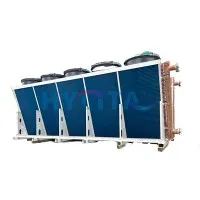
Finned tubes are a crucial component in many industrial applications, especially in heat transfer processes. As a finned tube supplier, I am often asked whether finned tubes can be used in chemical processing. The answer is a resounding yes, and in this blog post, I will delve into the reasons behind this, the types of finned tubes suitable for chemical processing, and how they enhance the efficiency of chemical processes.
Why Finned Tubes are Suitable for Chemical Processing
Chemical processing involves a wide range of operations, including heating, cooling, evaporation, and condensation. These processes require efficient heat transfer to ensure optimal performance and product quality. Finned tubes offer several advantages that make them an ideal choice for chemical processing:
Enhanced Heat Transfer
The primary function of finned tubes is to increase the surface area available for heat transfer. In a chemical processing plant, heat transfer is often the rate - limiting step in many reactions. By adding fins to the tubes, the surface area in contact with the heat transfer fluid is significantly increased. This allows for more efficient heat exchange between the process fluid inside the tube and the heating or cooling medium outside the tube. For example, in a distillation column where separation of chemical components is based on boiling points, efficient heat transfer is essential for maintaining the correct temperature profile. Finned tubes can help achieve this by transferring heat more effectively, leading to better separation and higher product purity.
Space and Cost Savings
Using finned tubes can also lead to space and cost savings in a chemical processing facility. Since finned tubes can transfer more heat per unit length compared to plain tubes, fewer tubes are required to achieve the same heat transfer rate. This reduces the overall size of the heat exchanger, which in turn saves floor space in the plant. Additionally, the reduced number of tubes means lower material and installation costs. For a chemical plant looking to expand its production capacity or upgrade its existing heat transfer equipment, finned tubes can provide a cost - effective solution.

Corrosion Resistance
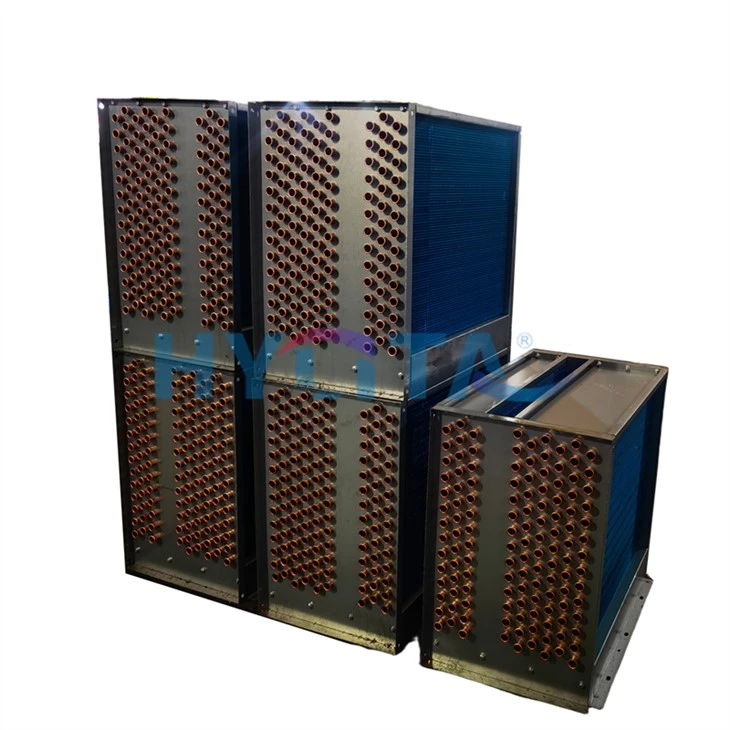
Chemical processing often involves handling corrosive substances. Finned tubes can be made from a variety of materials that offer excellent corrosion resistance. For instance, stainless steel finned tubes are commonly used in chemical plants because they can withstand the corrosive effects of acids, alkalis, and other aggressive chemicals. Copper and aluminum finned tubes also have their applications in specific chemical environments. Copper finned tubes are known for their good thermal conductivity and corrosion resistance in some non - oxidizing acid solutions. Aluminum finned tubes are lightweight and have a natural oxide layer that provides some protection against corrosion. You can find more information about Copper Fin Tube Radiators and Copper Fin Radiator on our website.
Types of Finned Tubes for Chemical Processing
There are several types of finned tubes available, each with its own characteristics and suitability for different chemical processing applications:
Extruded Finned Tubes
Extruded finned tubes are made by extruding fins directly from the base tube material. This results in a strong and integral bond between the fins and the tube, which is beneficial for heat transfer. Extruded finned tubes are often used in applications where high - temperature and high - pressure conditions are present, such as in some chemical reactors. The seamless construction of extruded finned tubes also makes them resistant to leakage, which is crucial when handling hazardous chemicals.
Welded Finned Tubes
Welded finned tubes are created by welding fins onto the base tube. This method allows for a wide range of fin materials and geometries to be used. Welded finned tubes are suitable for applications where a high fin density is required for maximum heat transfer. In chemical processes where rapid heat exchange is needed, such as in a heat recovery system, welded finned tubes can be a good choice.
Helically Wound Finned Tubes
Helically wound finned tubes have fins that are wound around the tube in a helical pattern. This design provides a large surface area for heat transfer and also promotes turbulent flow of the heat transfer fluid, which further enhances heat transfer efficiency. Helically wound finned tubes are commonly used in shell - and - tube heat exchangers in chemical plants.
Applications of Finned Tubes in Chemical Processing
Heat Exchangers
Heat exchangers are one of the most common applications of finned tubes in chemical processing. They are used to transfer heat between two or more fluids without mixing them. In a chemical plant, heat exchangers can be used for pre - heating feedstock, cooling reaction products, or recovering waste heat. For example, in a petrochemical refinery, heat exchangers with finned tubes are used to cool the hot oil streams coming from cracking units. The cooled oil can then be further processed or stored safely. Aluminum Fin Radiator is also a popular choice for some heat exchanger applications in chemical plants due to its lightweight and good heat transfer properties.
Reactors
In chemical reactors, maintaining the correct temperature is crucial for the success of the chemical reaction. Finned tubes can be used to heat or cool the reaction mixture inside the reactor. For example, in a batch reactor where a chemical reaction is carried out over a period of time, finned tubes can be used to control the temperature by transferring heat to or from the reaction mixture. This helps to optimize the reaction rate and selectivity, leading to higher yields of the desired product.
Distillation Columns
Distillation columns are used for separating chemical mixtures based on differences in boiling points. Finned tubes can be used in the reboiler and condenser sections of a distillation column. In the reboiler, finned tubes transfer heat to the bottom of the column to vaporize the liquid mixture. In the condenser, they remove heat from the vapor to condense it back into a liquid. Efficient heat transfer in these sections is essential for the proper operation of the distillation column and the quality of the separated products.
Considerations When Using Finned Tubes in Chemical Processing
While finned tubes offer many advantages in chemical processing, there are also some considerations to keep in mind:
Material Compatibility
As mentioned earlier, chemical processing involves handling a variety of substances. It is crucial to select the right material for the finned tubes to ensure compatibility with the chemicals being processed. For example, if a process involves handling hydrofluoric acid, certain metals like aluminum are not suitable as they can react with the acid. A detailed analysis of the chemical composition of the process fluids and the operating conditions should be carried out before selecting the finned tube material.
Fouling
Fouling is a common problem in heat transfer equipment, especially in chemical processing where the process fluids may contain impurities or suspended solids. Fouling can reduce the heat transfer efficiency of finned tubes over time. To mitigate this problem, proper design of the heat exchanger, such as selecting the right fin geometry and flow velocity, is important. Regular cleaning and maintenance of the finned tubes are also necessary to ensure optimal performance.
Pressure Drop
The addition of fins to the tubes can increase the pressure drop of the fluid flowing through the heat exchanger. In chemical processing, maintaining the correct pressure is often critical for the operation of the process. Therefore, when designing a heat exchanger with finned tubes, the pressure drop across the tubes should be carefully considered to ensure that it does not exceed the allowable limits of the system.
Conclusion
In conclusion, finned tubes are highly suitable for chemical processing. They offer enhanced heat transfer, space and cost savings, and can be made from materials with good corrosion resistance. With different types of finned tubes available, they can be tailored to meet the specific requirements of various chemical processes such as heat exchangers, reactors, and distillation columns. However, careful consideration of material compatibility, fouling, and pressure drop is necessary to ensure the optimal performance of finned tubes in a chemical processing environment.
If you are involved in chemical processing and are looking for high - quality finned tubes for your heat transfer needs, I encourage you to contact us for a detailed discussion. Our team of experts can help you select the right finned tube solution based on your specific requirements. We are committed to providing reliable and efficient finned tube products that will enhance the performance of your chemical processing operations.
References
- Incropera, F. P., DeWitt, D. P., Bergman, T. L., & Lavine, A. S. (2007). Fundamentals of Heat and Mass Transfer. John Wiley & Sons.
- Green, D. W., & Perry, R. H. (2007). Perry's Chemical Engineers' Handbook. McGraw - Hill.
- Kakac, S., & Liu, H. (2002). Heat Exchangers: Selection, Rating, and Thermal Design. CRC Press.