


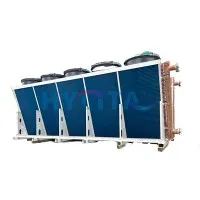
Waste heat recovery is a crucial aspect of energy management, offering significant potential for improving energy efficiency and reducing operational costs. As a leading [replace with your actual status if different] Waste Heat Recovery [WHR] supplier, we have in - depth knowledge of the two primary methods of waste heat recovery: direct and indirect. In this blog, we will explore the differences between these two approaches to help you make an informed decision for your energy - recovery needs.
Understanding Waste Heat Recovery
Before delving into the differences, it's essential to understand what waste heat recovery is. Waste heat is the heat that is generated as a by - product in industrial processes, power generation, and other activities. Instead of letting this heat go to waste, waste heat recovery systems capture and reuse it for other purposes, such as pre - heating feedwater, generating steam, or providing space heating. You can learn more about Waste Heat Recovery on our website.


Direct Waste Heat Recovery
Direct waste heat recovery involves the direct transfer of waste heat from the source to the application. In this method, the hot waste stream (such as exhaust gases) directly comes into contact with the medium that will utilize the heat.
How it Works
Let's take an example of a direct waste heat recovery system in a manufacturing plant. The exhaust gases from a furnace are directed through a heat exchanger where they directly heat a process fluid, like water. The heated water can then be used for various purposes, such as in a heating process within the plant.
Advantages
- High Efficiency: Since there is a direct transfer of heat, the efficiency of direct waste heat recovery can be quite high. There are fewer barriers to heat transfer, which means more of the waste heat can be effectively utilized.
- Simple Design: Direct systems generally have a simpler design compared to indirect systems. They require fewer components, which can lead to lower installation costs and easier maintenance.
- Immediate Heat Transfer: The direct contact between the waste heat source and the medium ensures rapid heat transfer, which is beneficial for applications that require quick heating.
Disadvantages
- Contamination Risk: When the waste stream comes into direct contact with the medium, there is a risk of contamination. For example, if the exhaust gases contain pollutants, these can contaminate the process fluid, which may not be suitable for certain applications.
- Limited Compatibility: The direct method may not be suitable for all types of waste heat sources and applications. Some waste streams may be too corrosive or contain substances that can damage the equipment or the medium.
Indirect Waste Heat Recovery
Indirect waste heat recovery, on the other hand, uses an intermediate fluid to transfer heat from the waste heat source to the application. The waste heat first heats the intermediate fluid, which then transfers the heat to the final medium.
How it Works
In an indirect waste heat recovery system, the exhaust gases from an engine pass through a heat exchanger and heat an intermediate fluid, such as a thermal oil. The heated thermal oil is then circulated through another heat exchanger to heat water or another process fluid.
Advantages
- Isolation and Protection: The use of an intermediate fluid provides isolation between the waste heat source and the final medium. This reduces the risk of contamination and protects the equipment and the final medium from potentially harmful substances in the waste stream.
- Flexibility: Indirect systems offer more flexibility in terms of the types of waste heat sources and applications they can handle. Different intermediate fluids can be selected based on the properties of the waste heat source and the requirements of the application.
- Better Control: It is easier to control the temperature and flow rate in an indirect system. The intermediate fluid can be regulated to ensure that the heat transfer is optimized for the specific application.
Disadvantages
- Lower Efficiency: The presence of an intermediate fluid adds an extra step in the heat transfer process, which can result in some heat losses. This generally leads to a lower overall efficiency compared to direct systems.
- Higher Cost: Indirect systems are more complex and require additional components, such as pumps and extra heat exchangers. This increases the initial investment and the cost of maintenance.
Applications of Direct and Indirect Waste Heat Recovery
Direct Waste Heat Recovery Applications
- Process Heating: Direct waste heat recovery is commonly used in industries where the waste heat can be directly used to heat a process fluid. For example, in the food and beverage industry, the exhaust heat from ovens can be used to heat water for cleaning or cooking processes.
- Space Heating: In some buildings, the waste heat from boilers or generators can be directly used for space heating. This is a cost - effective way to utilize the otherwise wasted heat.
Indirect Waste Heat Recovery Applications
- Power Generation: Indirect waste heat recovery is often used in power generation plants. The waste heat from the exhaust gases of a gas turbine can be used to heat water in a steam generator, which then drives a steam turbine to generate additional electricity.
- Chemical Processes: In chemical plants, where the process fluids need to be carefully controlled and protected from contamination, indirect waste heat recovery is preferred. The intermediate fluid can be selected to ensure compatibility with both the waste heat source and the chemical process.
Components in Direct and Indirect Systems
Direct Systems
- Heat Exchangers: In direct systems, heat exchangers play a crucial role. They are designed to maximize the contact between the waste heat source and the medium. For example, Economizer Tube can be used in direct waste heat recovery systems to efficiently transfer heat from exhaust gases to water.
- Ductwork: Ducts are used to direct the waste heat stream to the heat exchanger. Proper duct design is essential to ensure efficient flow and minimize heat losses.
Indirect Systems
- Intermediate Fluid Circulation System: This includes pumps, pipes, and valves to circulate the intermediate fluid between the two heat exchangers.
- Two - stage Heat Exchangers: Indirect systems require two heat exchangers - one to transfer heat from the waste heat source to the intermediate fluid and another to transfer heat from the intermediate fluid to the final medium. An example of a heat exchanger used in such systems is the Exhaust Gas Heat Exchanger.
Choosing the Right Method for Your Business
When deciding between direct and indirect waste heat recovery, several factors need to be considered:
- Nature of the Waste Heat Source: If the waste heat source is clean and non - corrosive, a direct system may be a good option. However, if it contains pollutants or is corrosive, an indirect system is more suitable.
- Application Requirements: Consider the temperature, flow rate, and quality requirements of the application. Applications that require quick heating and can tolerate some level of contamination may benefit from a direct system, while those that need precise control and protection from contamination are better suited for an indirect system.
- Cost Considerations: Evaluate the initial investment, installation costs, and long - term maintenance costs of both systems. While direct systems may have lower upfront costs, indirect systems may offer better long - term reliability and reduced risks.
As a Waste Heat Recovery supplier, we understand that every business has unique needs. Our team of experts can help you assess your waste heat sources, application requirements, and budget to determine the most suitable waste heat recovery method for your business. Whether you need a direct or indirect system, we can provide you with high - quality equipment and professional installation services.
If you are interested in learning more about waste heat recovery or would like to discuss a potential project, we invite you to contact us. Our experienced sales team is ready to assist you in finding the best waste heat recovery solution for your specific situation.
References
- Smith, J. (2020). Energy Efficiency in Industrial Processes. New York: Academic Press.
- Johnson, A. (2019). Waste Heat Recovery Technologies. London: Wiley.
- Brown, R. (2021). Heat Exchanger Design and Applications. Chicago: McGraw - Hill.