


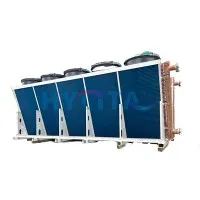
Hey there! As a supplier of Heat Exhaust Recovery, I've been thinking a lot about the future of energy and how we can make it more sustainable. One question that keeps coming up is whether heat exhaust recovery can be combined with renewable energy sources. In this blog post, I'm gonna dive into this topic and share my thoughts.
First off, let's talk about what heat exhaust recovery is. It's a technology that captures waste heat from industrial processes, power generation, or other sources and converts it into useful energy. This not only reduces energy waste but also cuts down on operational costs. For example, an Economiser Heat Exchanger is a common type of heat exhaust recovery device. It pre - heats the feedwater going into a boiler using the waste heat from the flue gases, making the boiler more efficient.
On the other hand, renewable energy sources like solar, wind, hydro, and geothermal are becoming increasingly popular. They're clean, sustainable, and have the potential to meet a significant portion of our energy needs. But they also have their limitations. Solar power depends on sunlight, so it's not available at night or on cloudy days. Wind energy is intermittent as well, as the wind doesn't blow constantly.
Now, the big question: Can we combine heat exhaust recovery with renewable energy sources? The answer is a resounding yes! And there are several good reasons to do so.
1. Complementary Energy Sources
Heat exhaust recovery provides a consistent source of energy. Industrial processes that generate waste heat often run continuously, so the heat is available all the time. This can complement the intermittent nature of renewable energy sources. For instance, when the sun isn't shining or the wind isn't blowing, the energy recovered from heat exhaust can keep the power supply stable.
Let's say you have a solar - powered factory. During the day, solar panels generate electricity. But at night, instead of relying on the grid or fossil fuels, the factory can use the heat recovered from its industrial processes to generate power. A Carbon Steel Economiser can play a crucial role here. It can capture the waste heat from the factory's boilers or furnaces and use it to produce steam, which can then be used to generate electricity.
2. Increased Energy Efficiency
Combining these two technologies can lead to a significant increase in overall energy efficiency. When we recover waste heat and use it in conjunction with renewable energy, we're getting more energy out of the same resources. For example, in a combined heat and power (CHP) system, waste heat from power generation can be used for heating or other industrial processes, while the electricity can be supplemented with renewable energy sources.
This not only saves money but also reduces the environmental impact. By using less energy from non - renewable sources, we're cutting down on greenhouse gas emissions and contributing to a cleaner planet.


3. Cost Savings
From a financial perspective, combining heat exhaust recovery with renewable energy can result in substantial cost savings. The initial investment in heat exhaust recovery systems and renewable energy infrastructure may seem high, but over time, the savings on energy bills can be significant.
For businesses, this means lower operating costs, which can improve their competitiveness in the market. And for households, it can mean lower energy bills and a more sustainable lifestyle.
4. Energy Independence
By integrating heat exhaust recovery and renewable energy, we can move towards greater energy independence. We're relying less on imported fossil fuels and more on our own resources. This is especially important in regions where energy security is a concern.
For example, a country that has a lot of industrial activity can use heat exhaust recovery to capture the waste heat from its factories and combine it with renewable energy sources like wind and solar. This can reduce its dependence on foreign oil and gas, making its energy supply more secure.
Implementation Challenges
Of course, combining heat exhaust recovery with renewable energy isn't without its challenges. One of the main issues is the integration of different technologies. Heat exhaust recovery systems are often designed for specific industrial processes, and renewable energy systems have their own unique requirements.
Another challenge is the upfront cost. As I mentioned earlier, the initial investment in both heat exhaust recovery and renewable energy can be high. This can be a deterrent for some businesses and households, especially those with limited budgets.
There's also the issue of regulatory and policy support. In some regions, there may not be enough incentives or regulations in place to encourage the adoption of these combined technologies.
Overcoming the Challenges
Despite these challenges, there are ways to overcome them. First, research and development can help improve the integration of heat exhaust recovery and renewable energy technologies. Engineers and scientists can work on developing more flexible and efficient systems that can easily combine the two.
Second, governments and policymakers can play a crucial role. They can offer financial incentives such as tax credits, grants, and subsidies to encourage businesses and households to invest in these technologies. They can also develop regulations that promote the use of clean and sustainable energy sources.
Finally, education and awareness are key. Many people are still not aware of the benefits of combining heat exhaust recovery with renewable energy. By educating the public and businesses about these technologies, we can increase their adoption rate.
Conclusion
In conclusion, combining heat exhaust recovery with renewable energy sources is not only possible but also highly beneficial. It offers a way to create a more sustainable, efficient, and cost - effective energy system. It can complement the intermittent nature of renewable energy, increase overall energy efficiency, save costs, and promote energy independence.
If you're interested in exploring how heat exhaust recovery can be combined with renewable energy for your business or home, I'd love to have a chat. We have a range of Heat Exhaust Recovery solutions, including Economiser Heat Exchangers and Carbon Steel Economisers, that can be tailored to your specific needs. So, don't hesitate to reach out and start the conversation about a more sustainable energy future.
References
- "Industrial Waste Heat Recovery: Technologies and Opportunities" by the U.S. Department of Energy.
- "Renewable Energy: Sources for Fuels and Electricity" by John Twidell and Tony Weir.
- "Heat Exchanger Design Handbook" by William M. Kays and A. L. London.