


Hey there! As a heating coils supplier, I often get asked if heating coils can be used in chemical processing. Well, the short answer is yes, but there's a lot more to it than that. In this blog post, I'll dive into the details of using heating coils in chemical processing, including the benefits, challenges, and considerations.
First off, let's talk about what heating coils are. Heating coils are basically devices that convert electrical energy into heat. They're made up of a conductor, usually a metal wire, that's wrapped around a core. When an electric current passes through the conductor, it generates heat, which can be used for a variety of purposes.
So, why would you want to use heating coils in chemical processing? There are actually several reasons. One of the main benefits is that heating coils provide precise temperature control. In chemical processing, temperature is often a critical factor that can affect the outcome of a reaction. By using heating coils, you can accurately control the temperature of the chemical mixture, ensuring that the reaction proceeds as desired.
Another benefit of using heating coils in chemical processing is that they're energy-efficient. Unlike other heating methods, such as steam heating, heating coils convert almost all of the electrical energy they consume into heat. This means that you can save on energy costs while still achieving the desired temperature.
Heating coils are also versatile. They can be used in a wide range of chemical processing applications, including distillation, evaporation, and reaction vessels. Whether you're working with small-scale laboratory equipment or large industrial reactors, heating coils can be customized to meet your specific needs.
However, using heating coils in chemical processing also comes with its challenges. One of the biggest challenges is corrosion. Chemicals can be highly corrosive, and if the heating coils aren't made from the right materials, they can quickly degrade and fail. That's why it's important to choose heating coils that are made from corrosion-resistant materials, such as stainless steel.
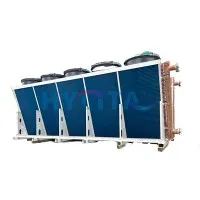
Stainless Heat Exchanger Coil is a great option for chemical processing applications. Stainless steel is highly resistant to corrosion, making it ideal for use in harsh chemical environments. It also has excellent heat transfer properties, which means that it can efficiently transfer heat to the chemical mixture.
Another challenge of using heating coils in chemical processing is the risk of overheating. If the temperature of the chemical mixture gets too high, it can cause the reaction to go out of control or even lead to an explosion. To prevent this from happening, it's important to use temperature sensors and controllers to monitor and regulate the temperature of the heating coils.
In addition to corrosion and overheating, there are also other considerations to keep in mind when using heating coils in chemical processing. For example, you need to make sure that the heating coils are properly installed and maintained. Improper installation can lead to leaks, short circuits, and other safety hazards. Regular maintenance, such as cleaning and inspection, can help to ensure that the heating coils are working properly and safely.
You also need to consider the electrical requirements of the heating coils. Different heating coils have different power ratings and voltage requirements, so it's important to choose the right ones for your application. You also need to make sure that the electrical system in your facility can handle the load of the heating coils.
So, if you're thinking about using heating coils in chemical processing, here are some tips to help you get started:
- Choose the right materials: As I mentioned earlier, corrosion is a major concern when using heating coils in chemical processing. Make sure to choose heating coils that are made from corrosion-resistant materials, such as stainless steel.
- Use temperature sensors and controllers: To prevent overheating, it's important to use temperature sensors and controllers to monitor and regulate the temperature of the heating coils.
- Proper installation and maintenance: Make sure that the heating coils are properly installed and maintained to prevent leaks, short circuits, and other safety hazards.
- Consider the electrical requirements: Choose heating coils that have the right power ratings and voltage requirements for your application, and make sure that the electrical system in your facility can handle the load.
In conclusion, heating coils can definitely be used in chemical processing, but it's important to do your research and choose the right ones for your application. By considering the benefits, challenges, and considerations I've discussed in this blog post, you can make an informed decision and ensure that your chemical processing operations run smoothly and safely.

If you're interested in learning more about heating coils for chemical processing or if you're looking to purchase heating coils for your facility, I'd love to hear from you. Just reach out to me, and we can discuss your specific needs and find the right heating coils for you.
References
- "Chemical Processing Handbook" by Perry and Green
- "Heat Transfer in Chemical Engineering" by Kern