


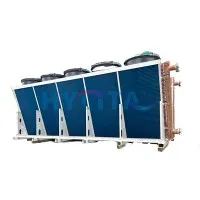
Hey there! As an oil coolers supplier, I often get asked if oil coolers can be used in marine engines. Well, the short answer is yes, and in this blog, I'll dive deep into why, how, and all the nitty - gritty details you need to know.
First off, let's understand the role of oil in a marine engine. Oil in a marine engine serves multiple crucial functions. It lubricates the moving parts, reducing friction and wear. This is super important because marine engines operate in a harsh environment with high loads and constant vibrations. It also helps in cleaning the engine by carrying away debris and contaminants. Moreover, oil plays a vital role in heat transfer. Marine engines generate a ton of heat during operation, and if not properly managed, this heat can cause serious damage.
Now, this is where oil coolers come into play. An oil cooler is designed to maintain the optimal temperature of the engine oil. In a marine engine, the temperature control is even more critical. The sea water around the boat, while it might seem like a good natural coolant, has its limitations. The temperature of sea water can vary widely depending on the location, season, and depth. In warmer waters, it may not be sufficient to keep the engine oil at the right temperature.
There are different types of oil coolers that can be used in marine engines. One popular type is the Oil - cooled Industrial Cooler. This type of cooler uses a secondary oil circuit to transfer heat from the engine oil to another medium. It's great because it can be more precise in controlling the oil temperature. The secondary oil can be cooled using other means, like a radiator or an air - cooled system, depending on the design.
Another option is the Finned Oil Cooler. These coolers have fins that increase the surface area for heat transfer. The fins allow for more efficient cooling as they can dissipate heat into the surrounding air or water more quickly. In a marine setting, they can be mounted in a way that takes advantage of the airflow created by the boat's movement or the water flow around the hull.
The Air - cooled Industrial Cooler is also a viable choice. As the name suggests, it uses air to cool the engine oil. This type of cooler is relatively simple in design and can be a cost - effective solution. However, it may not be as efficient in extremely hot or humid conditions, especially in areas where the air temperature is close to or higher than the desired oil temperature.
When it comes to installing oil coolers in marine engines, there are a few things to consider. First, the location of the cooler is crucial. It should be placed in an area where it can get adequate airflow or water flow for cooling. For air - cooled coolers, they need to be installed in a spot where there is good ventilation. For water - cooled coolers, they should be connected to the appropriate water intake and discharge systems on the boat.
The size of the oil cooler also matters. It needs to be sized correctly for the specific marine engine. An undersized cooler won't be able to handle the heat load, while an oversized cooler can be a waste of space and money. You'll need to take into account factors like the engine's power output, the operating conditions (such as how often the boat is used at full throttle), and the ambient temperature.


Maintenance is another important aspect. Marine engines are exposed to saltwater, which can be corrosive. Regularly checking the oil cooler for signs of corrosion, leaks, or blockages is essential. You should also change the coolant or oil in the cooler according to the manufacturer's recommendations.
Now, let's talk about the benefits of using oil coolers in marine engines. One of the biggest advantages is extended engine life. By keeping the oil at the optimal temperature, you reduce the wear and tear on the engine components. This means fewer breakdowns and less money spent on repairs in the long run.
Improved engine performance is another benefit. When the oil is at the right temperature, it can lubricate the engine more effectively. This results in smoother operation, better fuel efficiency, and more power output. You'll notice that your boat runs more smoothly and can reach higher speeds with less effort.
Using an oil cooler also enhances safety. Overheating engines can be a fire hazard, and in a marine environment, that's a serious concern. By preventing overheating, you're reducing the risk of engine fires and other potentially dangerous situations.
If you're in the market for an oil cooler for your marine engine, you might be wondering where to start. Well, that's where we come in as a supplier. We have a wide range of oil coolers suitable for different types of marine engines. Whether you need a small cooler for a personal watercraft or a large - scale cooler for a commercial fishing boat, we've got you covered.
We understand that every boat and engine is unique, so we offer personalized advice. Our team of experts can help you choose the right type and size of oil cooler for your specific needs. We can also assist with installation and provide after - sales support.
If you're interested in learning more or making a purchase, don't hesitate to reach out. We're here to make sure your marine engine runs at its best with the right oil cooler. Contact us today to start the conversation about finding the perfect oil cooler for your boat.
In conclusion, oil coolers can definitely be used in marine engines, and they offer a host of benefits. From extended engine life to improved performance and safety, they're a valuable addition to any marine engine setup. So, if you're looking to upgrade your boat's engine cooling system, give us a shout.
References
- "Marine Engine Handbook"
- Industry reports on marine engine cooling systems