


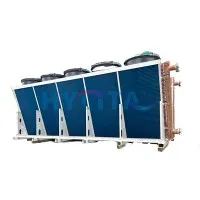
The energy grid is a complex and dynamic system that plays a crucial role in supplying power to various sectors of the economy. As the demand for energy continues to rise and concerns about environmental sustainability grow, the importance of efficient energy management and resource utilization has become increasingly evident. Heat energy recovery, a technology that captures and reuses waste heat, has emerged as a promising solution to enhance the efficiency of the energy grid and reduce its environmental impact. As a leading Heat Energy Recovery supplier, I have witnessed firsthand the transformative potential of this technology and its far-reaching impacts on the energy grid.
1. Enhancing Energy Efficiency
One of the most significant impacts of heat energy recovery on the energy grid is the improvement of overall energy efficiency. In many industrial processes, a substantial amount of heat is generated as a byproduct and is often wasted. By implementing heat energy recovery systems, this waste heat can be captured and converted into useful energy, such as electricity or thermal energy. For example, in a power plant, the exhaust gases from the boiler contain a large amount of heat that can be recovered using Heat Exhaust Recovery technologies. This recovered heat can then be used to preheat the incoming water or air, reducing the amount of fuel needed to generate steam and ultimately increasing the plant's efficiency.
Similarly, in industrial manufacturing processes, heat energy recovery systems can be used to capture the waste heat from furnaces, kilns, and other high-temperature equipment. This recovered heat can be used for various purposes, such as space heating, water heating, or process heating, reducing the reliance on external energy sources. By reducing the energy consumption of industrial facilities, heat energy recovery helps to optimize the energy grid by decreasing the overall demand for electricity and fossil fuels.
2. Reducing Peak Demand
Peak demand periods, when the electricity consumption reaches its highest levels, pose significant challenges to the energy grid. During these periods, power plants often need to operate at full capacity, which can lead to increased costs and environmental impacts. Heat energy recovery can play a crucial role in reducing peak demand by providing an alternative source of energy. For instance, in commercial buildings, Heat Energy Recovery systems can be used to capture the waste heat from air conditioning units and use it for water heating or space heating. This reduces the demand for electricity during peak hours, as the recovered heat can be used instead of relying solely on electric heating systems.
In addition, heat energy recovery systems can be integrated with energy storage technologies, such as thermal energy storage tanks. During off-peak hours, when the electricity demand is low, the recovered heat can be stored in these tanks. During peak hours, the stored heat can be released to meet the heating or cooling needs of the building, reducing the demand for electricity from the grid. By reducing peak demand, heat energy recovery helps to stabilize the energy grid and prevent blackouts or brownouts.
3. Improving Grid Resilience
The energy grid is vulnerable to various disruptions, such as natural disasters, equipment failures, and cyberattacks. Heat energy recovery can enhance the resilience of the energy grid by providing a decentralized and distributed source of energy. In many cases, heat energy recovery systems can be installed at the point of use, such as in industrial facilities or commercial buildings. This means that even if the main grid experiences a disruption, these local heat energy recovery systems can continue to operate and provide energy to the facility.
For example, in a hospital, a Economiser Heat Exchanger can be used to capture the waste heat from the hospital's generators and use it for space heating or water heating. This ensures that the hospital has a reliable source of energy even during a power outage, which is crucial for providing essential medical services. By improving the grid resilience, heat energy recovery helps to ensure the continuous supply of energy to critical facilities and reduces the impact of disruptions on the economy and society.
4. Environmental Benefits
Heat energy recovery also has significant environmental benefits. By reducing the energy consumption of industrial facilities and buildings, it helps to decrease the greenhouse gas emissions associated with the production and consumption of energy. For example, in a power plant, the use of heat energy recovery technologies can reduce the amount of coal or natural gas needed to generate electricity, which in turn reduces the carbon dioxide emissions.
In addition, heat energy recovery can help to reduce the environmental impact of industrial processes by minimizing the waste heat released into the environment. Waste heat can cause thermal pollution, which can have a negative impact on aquatic ecosystems and local climate. By capturing and reusing this waste heat, heat energy recovery systems help to mitigate these environmental impacts.
5. Economic Benefits
From an economic perspective, heat energy recovery offers several advantages. Firstly, it can significantly reduce the energy costs for industrial facilities and buildings. By recovering and reusing waste heat, these entities can save on their energy bills, which can have a positive impact on their bottom line. Secondly, the implementation of heat energy recovery systems can create jobs in the manufacturing, installation, and maintenance sectors. As the demand for heat energy recovery technologies grows, there will be a need for skilled workers to design, install, and maintain these systems.


Moreover, heat energy recovery can contribute to the overall economic development of a region. By reducing the energy consumption and environmental impact of industries, it can attract new investments and businesses. This, in turn, can lead to increased economic growth and job creation.
Conclusion
In conclusion, heat energy recovery has a profound impact on the energy grid. It enhances energy efficiency, reduces peak demand, improves grid resilience, provides environmental benefits, and offers economic advantages. As a Heat Energy Recovery supplier, I am committed to promoting the adoption of this technology and helping our customers to realize its full potential. If you are interested in learning more about how heat energy recovery can benefit your facility or organization, I encourage you to contact us for a consultation. We can provide you with detailed information about our Heat Energy Recovery solutions and help you to develop a customized plan that meets your specific needs.
References
- DOE. (2023). Energy Efficiency and Renewable Energy. U.S. Department of Energy.
- IEA. (2023). World Energy Outlook. International Energy Agency.
- ASHRAE. (2023). Handbook of Heating, Ventilating, and Air Conditioning. American Society of Heating, Refrigerating and Air-Conditioning Engineers.