


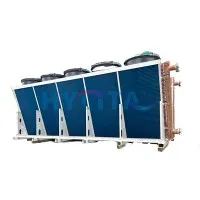
Hey there! If you're in the process of setting up a new HVAC system, one of the most crucial decisions you'll make is choosing the right evaporator coil. As an evaporator coil supplier, I've seen firsthand how this choice can make or break the performance of your HVAC system. In this blog, I'll walk you through the key factors to consider when selecting an evaporator coil for your new setup.
Understanding the Basics of Evaporator Coils
First things first, let's talk about what an evaporator coil actually does. In a nutshell, it's a vital component of your HVAC system that plays a key role in the cooling process. When warm air from your space passes over the evaporator coil, the refrigerant inside the coil absorbs the heat from the air, causing the refrigerant to evaporate. This process cools the air, which is then circulated back into your space.
Size Matters
One of the most important factors to consider when choosing an evaporator coil is its size. The size of the coil you need depends on several factors, including the size of your space, the climate in your area, and the capacity of your HVAC system. If you choose a coil that's too small, it won't be able to cool your space effectively, leading to higher energy bills and poor comfort. On the other hand, if you choose a coil that's too large, it will cycle on and off frequently, which can also lead to higher energy consumption and premature wear and tear on your HVAC system.
To determine the right size of the evaporator coil for your space, you'll need to consider the British Thermal Units (BTUs) required to cool your area. A professional HVAC contractor can perform a load calculation to determine the appropriate BTU rating for your space. Once you have this information, you can choose an evaporator coil with a capacity that matches your BTU requirements.
Material Selection
Another important factor to consider is the material of the evaporator coil. There are several materials available, each with its own advantages and disadvantages.


- Aluminum Coils: Aluminum is a popular choice for evaporator coils because it's lightweight, corrosion-resistant, and relatively inexpensive. However, aluminum coils are not as durable as some other materials and may require more frequent maintenance.
- Copper Coils: Copper is a highly efficient and durable material that's commonly used in evaporator coils. Copper coils are more resistant to corrosion and can withstand higher pressures than aluminum coils. They also have better heat transfer properties, which means they can cool your space more effectively. However, copper coils are more expensive than aluminum coils.
- Stainless Steel Coils: Stainless steel is a corrosion-resistant material that's ideal for use in harsh environments. Stainless steel evaporator coils are more durable than aluminum and copper coils and can last longer. They're also resistant to mold and bacteria growth, making them a good choice for applications where indoor air quality is a concern. Check out our Stainless Steel Evap Coil for more details.
Refrigerant Compatibility
The type of refrigerant used in your HVAC system is another important consideration when choosing an evaporator coil. Different refrigerants have different properties, and not all coils are compatible with all refrigerants. It's important to choose an evaporator coil that's designed to work with the refrigerant used in your system.
In recent years, there has been a shift towards using more environmentally friendly refrigerants, such as R-410A, due to concerns about the ozone layer and global warming. If you're installing a new HVAC system, it's likely that it will use R-410A or another similar refrigerant. Make sure the evaporator coil you choose is compatible with the refrigerant specified by your HVAC system manufacturer.
Efficiency Ratings
When choosing an evaporator coil, it's important to consider its energy efficiency rating. The efficiency of an evaporator coil is measured by its Seasonal Energy Efficiency Ratio (SEER) or Energy Efficiency Ratio (EER). A higher SEER or EER rating indicates a more efficient coil, which means it will use less energy to cool your space.
While a more efficient coil may cost more upfront, it can save you money in the long run by reducing your energy bills. When comparing different evaporator coils, look for models with high SEER or EER ratings to ensure you're getting the most energy-efficient option for your needs.
Coil Design
The design of the evaporator coil can also affect its performance. There are several different coil designs available, each with its own advantages and disadvantages.
- Single Row Coils: Single row coils are the simplest and most common type of evaporator coil. They consist of a single row of tubes with fins attached to increase the surface area for heat transfer. Single row coils are relatively inexpensive and easy to install, but they may not be as efficient as some other designs.
- Multi-Row Coils: Multi-row coils consist of multiple rows of tubes stacked on top of each other. This design increases the surface area for heat transfer, which can improve the efficiency of the coil. However, multi-row coils are more expensive and may be more difficult to install than single row coils.
- Microchannel Coils: Microchannel coils are a newer type of evaporator coil that use small, flat tubes with multiple channels for refrigerant flow. Microchannel coils are more efficient than traditional coils and can provide better cooling performance. They're also more compact and lightweight, which makes them a good choice for applications where space is limited.
Maintenance Requirements
Finally, it's important to consider the maintenance requirements of the evaporator coil you choose. All evaporator coils require some level of maintenance to ensure they continue to operate efficiently. However, some coils may require more frequent maintenance than others.
For example, aluminum coils may require more frequent cleaning to prevent corrosion and buildup of dirt and debris. Copper coils are generally more durable and may require less maintenance, but they may still need to be inspected regularly for signs of wear and tear. Stainless steel coils are the most durable and require the least amount of maintenance, but they may be more expensive upfront.
Conclusion
Choosing the right evaporator coil for your new HVAC system is a crucial decision that can have a significant impact on the performance and efficiency of your system. By considering factors such as size, material, refrigerant compatibility, efficiency ratings, coil design, and maintenance requirements, you can select an evaporator coil that meets your specific needs and budget.
If you're still unsure which evaporator coil is right for you, don't hesitate to reach out to us. As an evaporator coil supplier, we have the expertise and experience to help you make the right choice. We offer a wide range of evaporator coils, including Stainless Steel Evap Coil and Refrigeration Copper Coil, and we can provide you with all the information you need to make an informed decision.
If you're in need of an evaporator coil replacement, we also offer Evaporator Coil Replacement services to ensure your HVAC system is up and running smoothly. Contact us today to discuss your requirements and get a quote. We look forward to working with you!
References
- ASHRAE Handbook of Fundamentals.
- HVAC System Design Manual.
- Manufacturer's specifications for evaporator coils.