


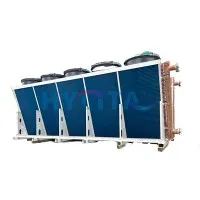
As a seasoned supplier of oil coolers, I've witnessed firsthand the diverse challenges that these crucial components face in various industrial and automotive applications. Oil coolers play a pivotal role in maintaining optimal operating temperatures, ensuring the longevity and efficiency of engines and machinery. However, like any mechanical device, they are prone to several common problems that can compromise their performance. In this blog, I'll delve into these issues, offering insights and solutions to help you keep your oil coolers running smoothly.


Clogging
One of the most prevalent problems with oil coolers is clogging. Over time, contaminants such as dirt, debris, metal shavings, and sludge can accumulate within the cooler's passages. This build - up restricts the flow of oil, reducing the cooler's ability to transfer heat effectively. In automotive applications, for example, small particles from engine wear or external pollutants can enter the oil system and eventually find their way into the cooler.
In industrial settings, where oil coolers are often exposed to harsher environments, the risk of clogging is even higher. Dust, sand, and other foreign materials can be drawn into the cooler, causing blockages. A clogged oil cooler can lead to increased oil temperatures, which in turn can cause accelerated wear and tear on engine components, reduced lubrication efficiency, and even engine failure in severe cases.
To prevent clogging, regular maintenance is essential. This includes changing the oil and oil filter at recommended intervals, as well as inspecting the cooler for signs of blockage. Some oil coolers are equipped with built - in filters or strainers that can be cleaned or replaced. Additionally, using high - quality oil with proper additives can help minimize the formation of sludge and deposits.
Leakage
Another common problem is oil leakage. Leaks can occur at various points in the oil cooler system, including connections, seals, and the cooler core itself. Over time, the seals and gaskets that hold the cooler together can deteriorate due to heat, pressure, and chemical exposure. Vibration and mechanical stress can also cause these seals to loosen or break, allowing oil to escape.
In automotive oil coolers, leaks can often be detected by the presence of oil stains under the vehicle. In industrial applications, a leak may result in a loss of oil pressure, which can be monitored through pressure gauges. A significant oil leak not only wastes valuable oil but can also pose a safety hazard, as oil on the floor can cause slips and falls.
To address leakage, it's important to identify the source of the leak. Minor leaks can sometimes be repaired by tightening connections or replacing seals and gaskets. However, if the leak is coming from the cooler core, it may be necessary to replace the entire cooler. Regular inspections of the oil cooler system can help detect leaks early and prevent more serious problems.
Corrosion
Corrosion is a major concern, especially for oil coolers exposed to harsh environments or those made from certain materials. Moisture, chemicals, and salt can all contribute to the corrosion of the cooler's metal components. In marine applications, for example, saltwater can cause rapid corrosion of the cooler's exterior and interior surfaces.
Corrosion can weaken the structure of the oil cooler, leading to leaks and reduced heat transfer efficiency. It can also cause blockages as corroded particles break off and accumulate in the cooler's passages. To combat corrosion, oil coolers can be made from corrosion - resistant materials such as stainless steel or aluminum. Additionally, protective coatings can be applied to the cooler's surfaces to prevent direct contact with corrosive substances.
Inefficient Heat Transfer
Inefficient heat transfer is a problem that can significantly impact the performance of an oil cooler. Several factors can contribute to this issue. As mentioned earlier, clogging and corrosion can reduce the surface area available for heat exchange, limiting the cooler's ability to dissipate heat. Additionally, a malfunctioning fan or pump in a forced - air or liquid - cooled oil cooler system can result in poor air or fluid circulation, reducing heat transfer efficiency.
In some cases, the design of the oil cooler may not be suitable for the specific application. For example, if the cooler is undersized for the amount of heat that needs to be dissipated, it will struggle to maintain optimal oil temperatures. To improve heat transfer, it's important to ensure that the oil cooler is properly sized for the application. Regular maintenance to keep the cooler clean and free from blockages is also crucial.
Fan or Pump Failure
In oil coolers that rely on fans or pumps to circulate air or coolant, failure of these components can lead to serious problems. A faulty fan may not provide enough airflow to cool the oil, while a malfunctioning pump may not circulate the coolant effectively. In automotive applications, a failed fan can cause the engine to overheat, especially during stop - and - go traffic or under heavy loads.
In industrial settings, a pump failure can disrupt the entire cooling system, leading to increased oil temperatures and potential damage to machinery. Regular inspections and maintenance of fans and pumps are necessary to detect and address any issues early. This may include checking for loose belts, worn bearings, or electrical problems.
Compatibility Issues
Compatibility issues can arise when an oil cooler is not properly matched with the engine or machinery it is intended to cool. Different engines have different oil flow rates, temperature requirements, and pressure specifications. Using an oil cooler that is not compatible with these parameters can result in poor performance and potential damage to the cooler or the engine.
For example, if the oil cooler has a lower flow capacity than the engine requires, it may not be able to cool the oil effectively. On the other hand, if the cooler is designed for a much higher pressure than the engine produces, it may not function properly. When selecting an oil cooler, it's important to consult the manufacturer's specifications and ensure that the cooler is compatible with the specific application.
Solutions and Recommendations
To mitigate these common problems, here are some practical solutions and recommendations:
- Regular Maintenance: Establish a regular maintenance schedule for your oil coolers. This should include oil and filter changes, inspections for leaks and blockages, and cleaning of the cooler's surfaces.
- Use Quality Components: Invest in high - quality oil coolers, filters, seals, and gaskets. Quality components are more likely to be durable and resistant to common problems.
- Proper Installation: Ensure that the oil cooler is installed correctly, following the manufacturer's instructions. Improper installation can lead to leaks, inefficient heat transfer, and other issues.
- Monitor Performance: Keep an eye on oil temperatures, pressure, and flow rates. Any significant changes in these parameters can indicate a problem with the oil cooler.
As a supplier of oil coolers, we offer a wide range of products to meet your specific needs. Our Oil - cooled Industrial Cooler is designed for heavy - duty industrial applications, providing efficient cooling in harsh environments. The Finned Oil Cooler offers enhanced heat transfer capabilities, making it ideal for applications where space is limited. And our Water - cooled Industrial Cooler is a great option for applications that require precise temperature control.
If you're experiencing problems with your oil coolers or are looking to upgrade your existing system, we're here to help. Contact us today to discuss your requirements and find the perfect oil cooler solution for your needs.
References
- "Automotive Cooling Systems" by Jack Erjavec
- "Industrial Cooling Handbook" by Cooling Technology Institute
- Manufacturer's manuals and technical specifications for oil coolers.