


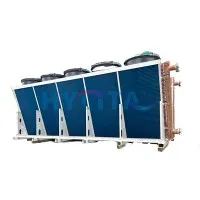
Hey there! I'm a supplier of heating coils, and I've seen my fair share of issues when it comes to the durability of these essential components. In this blog post, I'm gonna share some tips and tricks on how you can improve the durability of a heating coil. Whether you're a DIY enthusiast or a professional in the industry, these insights can help you get the most out of your heating coils and save you money in the long run.
Understanding the Basics of Heating Coils
Before we dive into the ways to improve durability, let's quickly go over what a heating coil is and how it works. A heating coil is a wire or a tube that's designed to convert electrical energy into heat. When an electric current passes through the coil, the resistance in the wire causes it to heat up. This heat is then transferred to the surrounding environment, whether it's air, water, or another fluid.
There are different types of heating coils, including resistance heating coils, induction heating coils, and PTC (Positive Temperature Coefficient) heating coils. Each type has its own unique characteristics and applications, but the goal is the same: to generate heat efficiently and effectively.

Factors Affecting the Durability of Heating Coils
Several factors can affect the durability of a heating coil. Understanding these factors is the first step in improving its lifespan.
1. Material Selection
The material of the heating coil plays a crucial role in its durability. Different materials have different properties, such as resistance to heat, corrosion, and oxidation. For example, stainless steel is a popular choice for heating coils because it's resistant to corrosion and can withstand high temperatures. You can check out our Stainless Heat Exchanger Coil for a high - quality option made from this durable material.
2. Operating Temperature
The temperature at which the heating coil operates can have a significant impact on its lifespan. If the coil is constantly exposed to temperatures that are too high, it can cause the material to degrade more quickly. Overheating can lead to issues like wire breakage, oxidation, and a decrease in the coil's resistance. It's important to choose a heating coil that's rated for the temperature range of your application.
3. Electrical Current
The amount of electrical current passing through the heating coil also affects its durability. If the current is too high, it can cause the coil to overheat and wear out faster. On the other hand, if the current is too low, the coil may not generate enough heat. It's essential to ensure that the electrical supply is properly matched to the requirements of the heating coil.
4. Environmental Conditions
The environment in which the heating coil is used can also impact its durability. For example, if the coil is exposed to moisture, chemicals, or abrasive particles, it can corrode or wear down more quickly. In harsh environments, it may be necessary to use a heating coil with a protective coating or enclosure.
Tips to Improve the Durability of a Heating Coil
1. Choose the Right Material
As mentioned earlier, material selection is key. Consider the operating conditions of your heating coil and choose a material that can withstand those conditions. For high - temperature applications, materials like nickel - chromium alloys or stainless steel are good choices. These materials have high melting points and are resistant to oxidation.
2. Proper Installation
Proper installation is crucial for the durability of a heating coil. Make sure that the coil is installed correctly, with the right connections and adequate ventilation. Improper installation can lead to issues like overheating, short circuits, and mechanical damage. If you're not confident in your installation skills, it's best to hire a professional.
3. Regular Maintenance
Regular maintenance can significantly extend the lifespan of a heating coil. This includes cleaning the coil to remove any dirt, debris, or contaminants that could cause corrosion or overheating. You should also check the electrical connections regularly to ensure that they're tight and free of corrosion. If you notice any signs of wear or damage, such as a broken wire or a change in resistance, it's important to replace the coil as soon as possible.
4. Control the Operating Conditions
Try to keep the operating conditions of the heating coil as stable as possible. This means maintaining a consistent temperature and electrical current. Avoid subjecting the coil to sudden temperature changes or voltage spikes, as these can cause stress on the material and lead to premature failure.
5. Use a Protective Enclosure
If the heating coil is used in a harsh environment, consider using a protective enclosure. This can shield the coil from moisture, chemicals, and physical damage. A well - designed enclosure can also help to improve the ventilation around the coil, which can prevent overheating.
Case Studies
Let's take a look at a couple of real - world examples to see how these tips can make a difference in the durability of heating coils.
Case Study 1: Industrial Heating Application
A manufacturing plant was using heating coils in an industrial oven. The coils were made of a standard copper alloy and were failing frequently due to the high - temperature and corrosive environment. After switching to a stainless steel heating coil from our product range, the plant noticed a significant improvement in durability. The new coils were able to withstand the harsh conditions without corroding or breaking, resulting in fewer maintenance issues and lower replacement costs.
Case Study 2: Residential Heating System
A homeowner was experiencing problems with their electric heating system. The heating coil in the furnace was overheating and burning out quickly. After having the system inspected, it was found that the electrical connections were loose, causing an inconsistent current flow. Once the connections were tightened and the coil was cleaned, the system started working properly again, and the coil's lifespan was extended.
Conclusion
Improving the durability of a heating coil is all about making the right choices and taking proper care of the component. By selecting the right material, installing the coil correctly, performing regular maintenance, controlling the operating conditions, and using a protective enclosure when necessary, you can significantly extend the lifespan of your heating coil.
If you're in the market for high - quality heating coils, I'd love to have a chat with you. Whether you need a Stainless Heat Exchanger Coil or another type of heating coil, we've got you covered. Feel free to reach out to discuss your specific requirements and let's find the perfect solution for your heating needs.
References
- "Handbook of Heating, Ventilation, and Air Conditioning"
- "Materials Science and Engineering: An Introduction"