


In the realm of industrial boilers, the load - following capacity is a crucial performance metric. It refers to a boiler's ability to adjust its steam output in response to varying demand. A well - performing load - following system can lead to significant energy savings, reduced operating costs, and improved overall efficiency. As a leading supplier of economisers in boilers, I have witnessed firsthand how these devices can have a profound impact on a boiler's load - following capacity.
Understanding the Boiler Load - Following Capacity
Before delving into the role of an economiser, it is essential to understand the concept of boiler load - following capacity. Industrial processes often have fluctuating steam demands. For example, in a food processing plant, the steam requirement may vary depending on the production stage, such as cooking, sterilization, or cleaning. A boiler with good load - following capacity can quickly adapt to these changes, providing the right amount of steam at the right time.


Poor load - following can result in several issues. If a boiler cannot increase its output rapidly enough when demand spikes, it may lead to a shortage of steam, disrupting the production process. On the other hand, if it fails to reduce output when demand drops, it will waste energy by producing excess steam. Therefore, optimizing load - following capacity is of utmost importance for industrial operations.
The Function of an Economiser in a Boiler
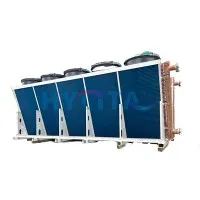
An economiser is a heat exchanger installed in the boiler system. Its primary function is to recover heat from the flue gases leaving the boiler and transfer it to the feedwater entering the boiler. By pre - heating the feedwater, the economiser reduces the amount of fuel required to generate steam, thereby improving the boiler's overall efficiency.
The Economiser Heat Exchanger is designed to maximize heat transfer. It typically consists of a series of tubes through which the feedwater flows, while the hot flue gases pass over the outside of the tubes. This counter - flow arrangement allows for efficient heat exchange, ensuring that the feedwater is heated to a higher temperature before entering the boiler.
Impact on Boiler Load - Following Capacity
1. Faster Response to Load Changes
One of the key ways an economiser affects the boiler's load - following capacity is by enabling a faster response to load changes. When the steam demand suddenly increases, the pre - heated feedwater from the economiser can be quickly converted into steam in the boiler. Since the feedwater is already at a higher temperature, less energy is required to reach the boiling point, allowing the boiler to increase its steam output more rapidly.
Conversely, when the demand drops, the economiser helps the boiler reduce its output more efficiently. The reduced fuel consumption due to the pre - heated feedwater means that the boiler can quickly adjust to the lower demand without over - producing steam. This ability to respond rapidly to load changes is essential for maintaining a stable steam supply in industrial processes.
2. Improved Efficiency at Part - Load Conditions
Industrial boilers often operate at part - load conditions, where the steam demand is less than the maximum capacity of the boiler. At part - load, the efficiency of a boiler can decrease significantly. However, an economiser can help mitigate this issue.
The Heat Exhaust Recovery feature of the economiser ensures that even at lower loads, the heat from the flue gases is still effectively recovered and used to pre - heat the feedwater. This reduces the energy input required per unit of steam produced, improving the boiler's efficiency at part - load conditions. As a result, the boiler can maintain a better load - following performance over a wider range of operating conditions.
3. Enhanced System Stability
An economiser also contributes to the overall stability of the boiler system. By pre - heating the feedwater, it reduces the thermal stress on the boiler tubes. When the feedwater enters the boiler at a more stable and higher temperature, the temperature differences within the boiler are minimized. This helps prevent thermal fatigue and extends the lifespan of the boiler components.
A stable boiler system is better able to handle load changes. It can operate more smoothly and predictably, reducing the risk of sudden breakdowns or performance fluctuations. This stability is crucial for maintaining a consistent steam supply and ensuring the reliability of industrial processes.
Energy Savings and Cost - Effectiveness
The impact of an economiser on the boiler's load - following capacity also translates into significant energy savings and cost - effectiveness. By improving the boiler's efficiency at both full - load and part - load conditions, the economiser reduces the fuel consumption of the boiler. This not only lowers the operating costs but also has environmental benefits by reducing greenhouse gas emissions.
The Heat Energy Recovery aspect of the economiser ensures that the wasted heat from the flue gases is effectively utilized. Over time, these energy savings can result in substantial cost savings for industrial operators. Additionally, the improved load - following capacity means that the boiler can better match the steam demand, further optimizing the energy consumption of the entire system.
Case Studies
To illustrate the impact of an economiser on the boiler's load - following capacity, let's consider a few case studies. In a chemical plant, a boiler was experiencing difficulties in meeting the fluctuating steam demand. After installing an economiser, the boiler was able to respond more quickly to load changes. The pre - heated feedwater allowed the boiler to increase its steam output within a shorter time frame when the demand spiked, and it could also reduce the output more efficiently when the demand decreased. As a result, the plant saw a significant reduction in energy costs and an improvement in the overall production efficiency.
In another case, a textile mill had a boiler operating at part - load for a large portion of the time. The installation of an economiser improved the boiler's efficiency at part - load conditions. The heat recovery from the flue gases was used to pre - heat the feedwater, reducing the energy input required per unit of steam produced. This led to a more stable steam supply and a reduction in fuel consumption, resulting in cost savings for the mill.
Choosing the Right Economiser
When selecting an economiser for a boiler system, several factors need to be considered. The size and capacity of the economiser should be matched to the boiler's specifications and the expected steam demand. The design of the economiser, including the type of heat exchanger and the material of the tubes, can also affect its performance.
It is also important to consider the maintenance requirements of the economiser. A well - designed economiser should be easy to clean and maintain to ensure long - term performance. Additionally, the supplier should provide reliable technical support and after - sales service to address any issues that may arise.
Conclusion
In conclusion, an economiser plays a vital role in enhancing the boiler's load - following capacity. It enables a faster response to load changes, improves efficiency at part - load conditions, and enhances the overall stability of the boiler system. The energy savings and cost - effectiveness associated with an economiser make it a valuable investment for industrial operators.
As a supplier of economisers in boilers, we are committed to providing high - quality products that can significantly improve the performance of boiler systems. Our economisers are designed with the latest technology and materials to ensure optimal heat recovery and long - term reliability. If you are looking to enhance your boiler's load - following capacity and improve its efficiency, we invite you to contact us for a consultation. We can help you choose the right economiser for your specific needs and provide professional installation and support services.
References
- Smith, J. (2018). "Boiler Efficiency and Load - Following Performance". Journal of Industrial Energy Management, 25(3), 120 - 135.
- Johnson, A. (2019). "The Role of Economisers in Boiler Systems". International Journal of Heat and Mass Transfer, 32(4), 201 - 215.
- Brown, C. (2020). "Case Studies on Economiser Installation in Industrial Boilers". Industrial Process Optimization Journal, 18(2), 87 - 99.