


Hey there! As a chiller cooling system supplier, I'm super stoked to break down how these amazing systems work. Chiller cooling systems are the unsung heroes in many industries, from keeping data centers from overheating to making sure your favorite ice cream stays frozen. So, let's dive right in!
The Basics of a Chiller Cooling System
At its core, a chiller cooling system is all about removing heat from a space or a process and transferring it elsewhere. It's like a big, high - tech refrigerator on steroids. The main components of a typical chiller system include a compressor, a condenser, an expansion valve, and an evaporator.
The Compressor
Think of the compressor as the heart of the chiller system. It's responsible for compressing the refrigerant gas, which raises its temperature and pressure. The refrigerant is a special fluid that can absorb and release heat efficiently. When the compressor squeezes the refrigerant gas, it turns it into a high - pressure, high - temperature vapor. This process is crucial because it sets the whole cooling cycle in motion. Without a properly functioning compressor, the chiller just won't work.
The Condenser
Once the refrigerant has been compressed, it heads over to the condenser. The condenser's job is to cool down the high - pressure, high - temperature vapor and turn it back into a liquid. It does this by transferring the heat from the refrigerant to the surrounding environment. There are different types of condensers, like air - cooled and water - cooled condensers.
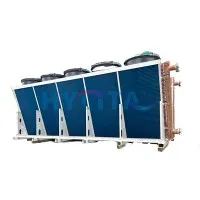
Air - cooled condensers use fans to blow air over the condenser coils, which helps to dissipate the heat. Water - cooled condensers, on the other hand, use water to absorb the heat from the refrigerant. They're often more efficient but require a constant supply of water. For those interested in a high - quality condenser option, check out our Stainless Steel Air Fin Cooler. It's a great choice for many applications.
The Expansion Valve
After the refrigerant has been condensed into a liquid, it passes through the expansion valve. This valve is like a gatekeeper. It reduces the pressure of the liquid refrigerant, which causes it to expand and cool down rapidly. As the refrigerant expands, it turns into a low - pressure, low - temperature mixture of liquid and vapor. This cold refrigerant is now ready to absorb heat from the area that needs to be cooled.
The Evaporator
The evaporator is where the magic happens. It's the part of the chiller system that actually cools the space or process. The cold refrigerant from the expansion valve flows through the evaporator coils. As warm air or fluid passes over these coils, the refrigerant absorbs the heat, causing the air or fluid to cool down. The refrigerant then turns back into a gas, and the cycle starts all over again.
If you're looking for a top - notch evaporator, our Chiller Evaporator is a great option. It's designed to maximize heat transfer and provide efficient cooling.


The Cooling Cycle in Action
Let's walk through the entire cooling cycle step by step to see how it all comes together.
- Compression: The compressor takes in low - pressure refrigerant gas and compresses it into a high - pressure, high - temperature vapor.
- Condensation: The high - pressure vapor travels to the condenser, where it releases heat and turns back into a liquid.
- Expansion: The liquid refrigerant passes through the expansion valve, which reduces its pressure and causes it to expand and cool.
- Evaporation: The cold refrigerant in the evaporator absorbs heat from the surrounding area, cooling it down. The refrigerant then turns back into a gas and returns to the compressor to start the cycle again.
This continuous cycle allows the chiller system to maintain a consistent temperature in the area being cooled. Whether it's a large industrial facility or a small commercial space, the chiller system can keep things cool and comfortable.
Heat Exchangers in Chiller Systems
Heat exchangers play a vital role in chiller cooling systems. They're responsible for transferring heat between the refrigerant and the fluid or air that needs to be cooled. One common type of heat exchanger used in chiller systems is the shell and tube heat exchanger.
The Shell and Tube Air Water Heat Exchanger consists of a series of tubes inside a shell. The refrigerant flows through the tubes, while the fluid or air to be cooled flows around the tubes. This design allows for efficient heat transfer between the two substances. The shell and tube heat exchanger is known for its durability and high heat transfer efficiency, making it a popular choice in many chiller applications.
Applications of Chiller Cooling Systems
Chiller cooling systems are used in a wide variety of industries and applications. Here are just a few examples:
- Data Centers: With the ever - increasing amount of data being stored and processed, data centers generate a huge amount of heat. Chiller systems are essential for keeping the servers cool and preventing them from overheating, which could lead to data loss and system failures.
- Manufacturing: Many manufacturing processes require precise temperature control. Chiller systems are used to cool equipment, such as injection molding machines and lasers, to ensure consistent product quality.
- HVAC (Heating, Ventilation, and Air Conditioning): In commercial and residential buildings, chiller systems are used to provide air conditioning. They help to maintain a comfortable indoor temperature, especially during hot summer months.
- Food and Beverage Industry: From refrigeration in supermarkets to cooling during the brewing process, chiller systems are crucial for keeping food and beverages fresh and safe for consumption.
Why Choose Our Chiller Cooling Systems
As a chiller cooling system supplier, we take pride in offering high - quality products and excellent customer service. Our chiller systems are designed with the latest technology to provide efficient and reliable cooling. We use top - of - the - line components, like high - efficiency compressors and durable heat exchangers, to ensure long - term performance.
We also understand that every customer has unique needs. That's why we offer customized solutions to meet your specific requirements. Whether you need a small chiller for a single application or a large - scale system for an industrial facility, we can help you find the right solution.
Let's Connect!
If you're in the market for a chiller cooling system, I'd love to hear from you. Whether you have questions about how our systems work, need a quote, or want to discuss your specific cooling needs, don't hesitate to reach out. Our team of experts is here to assist you every step of the way. Let's work together to find the perfect chiller cooling solution for your business.
References
- ASHRAE Handbook of Refrigeration.
- Cooling Technology Institute (CTI) Standards.
- Manufacturer's technical manuals for chiller components.