


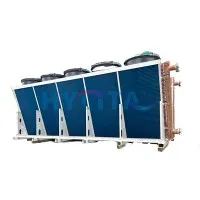
A museum is a place where precious cultural relics and artworks are preserved and displayed. Maintaining a stable and suitable indoor environment is crucial for the protection of these valuable items. Temperature, humidity, and air quality are all key factors that need to be carefully controlled. A heat recovery unit plays a vital role in achieving these environmental control goals while also saving energy. As a professional heat recovery unit supplier, I'd like to share with you how a heat recovery unit works in a museum.
The Importance of Environmental Control in Museums
Museums house a wide range of artifacts, including paintings, sculptures, textiles, and historical documents. These items are often sensitive to changes in temperature and humidity. For example, extreme temperature fluctuations can cause materials to expand and contract, leading to cracks and warping in paintings and sculptures. High humidity can promote the growth of mold and mildew, which can damage organic materials such as textiles and paper. On the other hand, low humidity can cause materials to dry out, become brittle, and even crack.
In addition to temperature and humidity control, air quality is also of utmost importance. Pollutants in the air, such as dust, smoke, and chemical fumes, can adhere to the surfaces of artifacts and cause discoloration, corrosion, and other forms of damage. Therefore, museums need to have a reliable ventilation system to remove stale air and introduce fresh air while maintaining a stable temperature and humidity level.
How a Heat Recovery Unit Works
A heat recovery unit is an essential component of a museum's ventilation system. Its main function is to recover heat from the exhaust air and transfer it to the incoming fresh air, thereby reducing the energy required to heat or cool the fresh air. This process not only saves energy but also helps to maintain a stable indoor temperature and humidity level.


The basic principle of a heat recovery unit is based on the transfer of heat between two air streams: the exhaust air and the incoming fresh air. There are several types of heat recovery units available, including plate heat exchangers, rotary heat exchangers, and heat pipes. Each type has its own advantages and disadvantages, and the choice of heat recovery unit depends on various factors such as the size of the museum, the ventilation requirements, and the budget.
Plate Heat Exchangers
Plate heat exchangers are one of the most common types of heat recovery units used in museums. They consist of a series of parallel plates that are arranged in a stack. The exhaust air and the incoming fresh air flow through separate channels between the plates, and heat is transferred from the exhaust air to the fresh air through the plates.
The advantage of plate heat exchangers is their high efficiency and compact design. They can achieve a heat recovery efficiency of up to 80%, which means that up to 80% of the heat in the exhaust air can be transferred to the incoming fresh air. In addition, plate heat exchangers are relatively easy to install and maintain, and they have a long service life.
Rotary Heat Exchangers
Rotary heat exchangers are another type of heat recovery unit that is commonly used in museums. They consist of a rotating wheel that is coated with a heat-absorbing material. The exhaust air and the incoming fresh air flow through opposite sides of the wheel, and heat is transferred from the exhaust air to the fresh air as the wheel rotates.
The advantage of rotary heat exchangers is their high heat transfer capacity and flexibility. They can handle large volumes of air and can be used in a wide range of applications. In addition, rotary heat exchangers can also recover moisture from the exhaust air, which is beneficial for maintaining a stable indoor humidity level.
Heat Pipes
Heat pipes are a relatively new type of heat recovery unit that is gaining popularity in museums. They consist of a sealed tube that contains a working fluid, such as water or ammonia. The tube is divided into two sections: the evaporator section and the condenser section. The exhaust air passes through the evaporator section, where the working fluid absorbs heat and evaporates. The vapor then flows to the condenser section, where it releases heat and condenses back into a liquid. The liquid then flows back to the evaporator section by gravity or capillary action.
The advantage of heat pipes is their high efficiency and reliability. They can achieve a heat recovery efficiency of up to 90%, which is higher than that of plate heat exchangers and rotary heat exchangers. In addition, heat pipes are relatively simple in design and have no moving parts, which makes them easy to install and maintain.
Benefits of Using a Heat Recovery Unit in a Museum
Using a heat recovery unit in a museum offers several benefits, including:
- Energy Savings: By recovering heat from the exhaust air and transferring it to the incoming fresh air, a heat recovery unit can significantly reduce the energy required to heat or cool the fresh air. This can result in substantial cost savings on energy bills.
- Environmental Protection: Reducing energy consumption also means reducing greenhouse gas emissions, which is beneficial for the environment. In addition, a heat recovery unit can help to improve indoor air quality by removing pollutants from the exhaust air.
- Improved Comfort: Maintaining a stable temperature and humidity level is essential for the comfort of museum visitors and staff. A heat recovery unit can help to achieve this by providing a consistent supply of fresh, conditioned air.
- Artifact Preservation: As mentioned earlier, temperature, humidity, and air quality are all key factors that affect the preservation of artifacts. A heat recovery unit can help to maintain a stable indoor environment, which is crucial for the long-term preservation of these valuable items.
Our Heat Recovery Unit Solutions
As a leading heat recovery unit supplier, we offer a wide range of heat recovery unit solutions for museums. Our products are designed to meet the specific needs and requirements of each museum, and we can provide customized solutions based on the size, layout, and ventilation requirements of the museum.
Our heat recovery units are made of high-quality materials and are designed to be energy-efficient, reliable, and easy to maintain. We use the latest technologies and manufacturing processes to ensure that our products meet the highest standards of quality and performance.
In addition to our heat recovery unit products, we also offer a comprehensive range of services, including installation, commissioning, maintenance, and repair. Our team of experienced engineers and technicians can provide professional advice and support to help you choose the right heat recovery unit solution for your museum and ensure that it operates efficiently and effectively.
Contact Us for Purchase and Negotiation
If you are interested in our heat recovery unit solutions for museums, please feel free to contact us. We would be happy to discuss your specific needs and requirements and provide you with a detailed quotation. We believe that our high-quality products, professional services, and competitive prices will make us your preferred heat recovery unit supplier.
References
- ASHRAE Handbook - HVAC Systems and Equipment. American Society of Heating, Refrigerating and Air-Conditioning Engineers.
- Museum Environment Handbook. Canadian Conservation Institute.
- Guidelines for Environmental Conditions in Museums, Galleries, and Archives. International Council of Museums - Committee for Conservation.