


Hey there! As a supplier of economizer recovery systems, I'm super stoked to dive into how economizer recovery works in a cement plant. It's a topic that's not only fascinating but also crucial for the efficiency and sustainability of these industrial giants.
First off, let's talk about why economizer recovery is so important in a cement plant. Cement production is an energy - intensive process. A huge amount of heat is generated during the manufacturing of cement, and a significant portion of this heat is lost through the exhaust gases. This is where economizer recovery steps in. It's all about capturing that wasted heat and putting it to good use, which can lead to substantial energy savings and cost reductions.
The Basics of Economizer Recovery
At its core, an economizer in a cement plant is a heat exchanger. Its main job is to transfer heat from the hot exhaust gases to a fluid, usually water. This pre - heats the fluid before it enters the main part of the system, like a boiler or a steam generator.
The exhaust gases in a cement plant come from various sources, such as the kiln and the clinker cooler. These gases can reach extremely high temperatures, sometimes up to 400 - 500 degrees Celsius. When these hot gases pass through the economizer, they come into contact with a series of tubes or plates that contain the fluid to be heated.
How the Heat Transfer Happens
The heat transfer process in an economizer is based on the principle of conduction and convection. Conduction occurs when the heat from the hot exhaust gases is transferred through the walls of the tubes or plates to the fluid inside. Convection comes into play as the fluid inside the tubes is heated and starts to circulate, carrying the heat away from the heat - transfer surface.
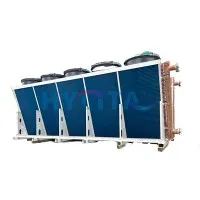
Let's take a closer look at the components involved. One of the key components is the Exhaust Gas Heat Exchanger. This is the part where the actual heat exchange between the exhaust gases and the fluid takes place. It's designed to maximize the surface area available for heat transfer, which helps to make the process as efficient as possible.
Another important component is the SS Economiser Heat Exchanger. The "SS" stands for stainless steel, which is a popular material for these heat exchangers because of its corrosion resistance and durability. Stainless steel can withstand the harsh conditions in a cement plant, including high temperatures and the presence of corrosive gases.
The Economizer Tube is also a vital part of the economizer. These tubes are where the fluid flows, and they are carefully designed to optimize the heat transfer process. They are often arranged in a specific pattern to ensure that the exhaust gases flow evenly around them, maximizing the contact time and heat transfer efficiency.
The Benefits of Economizer Recovery in a Cement Plant
There are several benefits to implementing an economizer recovery system in a cement plant. Firstly, it reduces energy consumption. By pre - heating the fluid, less energy is required to heat it to the desired temperature in the main system. This can lead to significant cost savings on fuel and electricity.
Secondly, it helps to reduce the environmental impact of cement production. Since less fuel is burned, there are lower emissions of greenhouse gases and other pollutants. This is in line with the growing global focus on sustainability and reducing carbon footprints.
Thirdly, it can improve the overall efficiency of the cement plant. A well - functioning economizer recovery system can help to stabilize the temperature and pressure in the system, which can lead to more consistent production and better - quality cement.
Challenges and Solutions
Of course, implementing an economizer recovery system in a cement plant isn't without its challenges. One of the main challenges is the presence of dust and particulate matter in the exhaust gases. These particles can accumulate on the heat - transfer surfaces, reducing the efficiency of the heat exchange.
To address this issue, we often use cleaning mechanisms such as soot blowers. These blowers use high - pressure air or steam to remove the dust and debris from the tubes and plates. Regular maintenance and inspection are also crucial to ensure that the economizer is working at its best.


Another challenge is the corrosion of the components. The exhaust gases in a cement plant can contain corrosive substances such as sulfur dioxide. To combat this, we use corrosion - resistant materials like stainless steel, as mentioned earlier. We also apply protective coatings to the components to further enhance their resistance to corrosion.
Installation and Maintenance
When it comes to installing an economizer recovery system in a cement plant, it's important to have a detailed plan. The system needs to be integrated seamlessly with the existing infrastructure of the plant. This requires careful engineering and design to ensure that the system operates safely and efficiently.
Maintenance is also a key aspect. Regular inspections should be carried out to check for any signs of wear and tear, corrosion, or blockages. The cleaning mechanisms should be tested regularly to make sure they are working properly. We also recommend keeping a stock of spare parts to minimize downtime in case of any component failures.
Why Choose Our Economizer Recovery Systems
As a supplier, we take pride in offering high - quality economizer recovery systems. Our systems are designed with the latest technology to ensure maximum efficiency and reliability. We use only the best materials and components, and our products are rigorously tested before they are delivered to our customers.
We also provide excellent after - sales service. Our team of experts is always on hand to offer technical support and advice. Whether you need help with installation, maintenance, or troubleshooting, we've got you covered.
If you're a cement plant owner or operator looking to improve the energy efficiency and sustainability of your plant, I highly recommend considering an economizer recovery system. It's a smart investment that can pay off in the long run.
Let's Talk
If you're interested in learning more about our economizer recovery systems or have any questions, don't hesitate to reach out. We'd love to have a chat with you and see how we can help you achieve your goals. Whether it's reducing energy costs, minimizing environmental impact, or improving plant efficiency, we're here to support you every step of the way.
References
- "Cement Industry Energy Efficiency and CO2 Emissions Reduction", International Energy Agency
- "Heat Exchanger Design Handbook", Wiley
So, there you have it! That's a comprehensive look at how economizer recovery works in a cement plant. I hope this blog has been informative and helpful. If you have any thoughts or questions, feel free to leave a comment below.