


Hey there! As a supplier in the heat energy recovery business, I've seen firsthand how this technology can make a real difference in environmental protection. In this blog, I'm gonna break down how heat energy recovery contributes to a greener planet and why it's a smart choice for businesses and the environment alike.
Let's start with the basics. Heat energy recovery is all about capturing and reusing heat that would otherwise be wasted. In industrial processes, a huge amount of heat is generated and then simply released into the atmosphere. This not only means a loss of valuable energy but also adds to environmental problems. By using heat energy recovery systems, we can take that wasted heat and put it to good use.
One of the main ways heat energy recovery helps the environment is by reducing energy consumption. When industries can reuse heat that they've already generated, they don't have to rely as much on fossil fuels to produce new heat. Fossil fuels, like coal, oil, and gas, are major contributors to greenhouse gas emissions. Burning these fuels releases carbon dioxide and other pollutants into the air, which trap heat in the Earth's atmosphere and lead to global warming.
For example, in a manufacturing plant, a Carbon Steel Economiser can be installed in a boiler system. This device captures the heat from the hot exhaust gases leaving the boiler and uses it to pre - heat the water that goes into the boiler. By pre - heating the water, the boiler doesn't have to use as much fuel to heat the water to the desired temperature. This not only saves money on fuel costs but also reduces the amount of carbon dioxide and other pollutants released into the atmosphere.
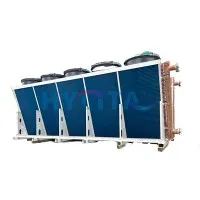
Another great application is the Economiser Heat Exchanger. Heat exchangers are used to transfer heat from one fluid to another. In an industrial setting, they can be used to transfer heat from hot waste streams to cooler incoming fluids. This way, the energy that would have been wasted is used to heat up the incoming fluids, reducing the need for additional energy sources.
Heat energy recovery also helps with waste reduction. In many industrial processes, waste heat is a by - product. Instead of letting this heat go to waste, we can use it to power other parts of the process or even generate electricity. For instance, Heat Exhaust Recovery systems can capture the heat from exhaust gases in power plants and use it to generate steam. This steam can then be used to drive a turbine and produce electricity. By using this waste heat to generate power, we're making the most of the resources we have and reducing the overall waste generated by the process.
Moreover, heat energy recovery can improve air quality. When industries use less fossil fuels due to heat energy recovery, there are fewer pollutants released into the air. Pollutants like sulfur dioxide, nitrogen oxides, and particulate matter can cause respiratory problems, acid rain, and other environmental issues. By reducing the emissions of these pollutants, we're creating a healthier environment for everyone.
In addition to environmental benefits, heat energy recovery also makes good business sense. It can lead to significant cost savings for companies. By reducing energy consumption, businesses can lower their utility bills. The initial investment in heat energy recovery systems may seem high, but over time, the savings on energy costs can more than make up for it.
Let's talk about some real - world examples. A large food processing plant was facing high energy costs due to its extensive use of boilers. After installing a heat energy recovery system, they were able to reduce their energy consumption by 20%. This not only saved them a substantial amount of money but also reduced their carbon footprint. The system captured the waste heat from the boiler exhaust and used it to pre - heat the water used in the cooking process.


Another example is a chemical manufacturing company. They installed a heat exchanger to recover heat from their chemical reactions. This heat was then used to pre - heat the raw materials entering the reaction, reducing the amount of energy needed to heat the materials. As a result, they saw a significant reduction in their energy bills and a decrease in their greenhouse gas emissions.
So, if you're a business owner or an industry professional, you might be thinking about how you can implement heat energy recovery in your operations. The first step is to conduct an energy audit. This will help you identify areas where waste heat is being generated and where heat energy recovery systems can be most effective.
Once you've identified the potential areas, you can choose the right heat energy recovery system for your needs. There are many different types of systems available, from simple economisers to more complex heat exchanger networks. Our team of experts can help you select the best system based on your specific requirements and budget.
If you're interested in learning more about how heat energy recovery can benefit your business and the environment, or if you want to discuss a potential project, don't hesitate to reach out. We're here to help you make the transition to a more energy - efficient and environmentally friendly operation.
In conclusion, heat energy recovery is a powerful tool in the fight against environmental degradation. It helps reduce energy consumption, waste, and emissions, while also improving air quality. It's a win - win situation for both the environment and businesses. So, let's embrace heat energy recovery and work together to create a more sustainable future.
References
- "Energy Efficiency in Industry: Technologies and Measures for the Manufacturing Sector"
- "Handbook of Industrial Energy Efficiency and New Energy Technologies"
- "Heat Exchanger Design Handbook"