


Hey there! As a supplier of Waste Heat Recovery (WHR) systems, I've seen firsthand how these technologies can revolutionize energy efficiency in buildings. In this blog, I'll break down how waste heat recovery works and why it's a game - changer for building energy management.
Let's start with the basics. In any building, a significant amount of energy is wasted in the form of heat. This heat can come from various sources, such as exhaust gases from boilers, air - conditioning systems, or industrial processes within the building. For a long time, this waste heat was simply released into the environment, but with the advancements in WHR technology, we can now capture and reuse it.


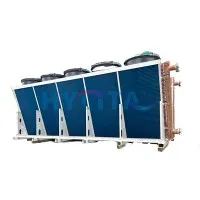
One of the key components in waste heat recovery is the heat exchanger. An Exhaust Gas Heat Exchanger is a prime example. It's designed to transfer heat from the hot exhaust gases to a cooler fluid, like water or air. This way, the energy that would have been wasted is now harnessed to provide heating or pre - heating for other parts of the building. For instance, in a commercial building, the pre - heated water can be used for domestic hot water supply or for heating the building during colder months.
Another important element is the Economizer Tube. Economizer tubes are often used in boiler systems. They work by recovering heat from the flue gases leaving the boiler. The heat is then transferred to the feedwater entering the boiler. By pre - heating the feedwater, the boiler doesn't have to use as much fuel to heat the water to the desired temperature. This not only saves energy but also reduces the overall operating costs of the boiler.
The SS Economiser Heat Exchanger is also a great option for waste heat recovery. Made of stainless steel, it's durable and can handle high - temperature and corrosive environments. It can be used in a variety of applications, from industrial buildings to large - scale residential complexes. It effectively recovers heat from exhaust gases and transfers it to a useful medium, improving the overall energy efficiency of the building.
Now, let's talk about the benefits of waste heat recovery in buildings. First and foremost, it significantly reduces energy consumption. By reusing the waste heat, buildings can rely less on traditional energy sources like natural gas or electricity. This not only helps in cutting down the energy bills but also has a positive impact on the environment. Less energy consumption means fewer greenhouse gas emissions, which is crucial in the fight against climate change.
Secondly, waste heat recovery systems can enhance the overall performance of building systems. For example, in a heating, ventilation, and air - conditioning (HVAC) system, using waste heat for pre - heating or pre - cooling can reduce the workload on the main HVAC equipment. This leads to less wear and tear on the system, extending its lifespan and reducing maintenance costs.
In addition, waste heat recovery can improve the indoor comfort of a building. By providing a more stable and efficient source of heating or cooling, it can help maintain a consistent temperature and humidity level inside the building. This creates a more comfortable environment for the occupants, whether it's an office building, a hospital, or a residential home.
Implementing waste heat recovery in buildings does require an initial investment. However, the long - term savings are well worth it. The payback period for a waste heat recovery system can vary depending on factors such as the size of the building, the type of system installed, and the energy prices in the area. In many cases, the energy savings can cover the cost of the system within a few years.
When it comes to choosing a waste heat recovery system for your building, there are a few things to consider. You need to assess the heat sources in your building, the amount of waste heat available, and the specific energy needs of the building. It's also important to work with a reliable supplier who can provide a customized solution. As a waste heat recovery supplier, I've helped many building owners and managers find the right system for their needs. We offer a range of products, from small - scale heat exchangers for residential buildings to large - scale industrial waste heat recovery systems.
If you're interested in learning more about how waste heat recovery can benefit your building, or if you're ready to start the process of implementing a system, I'd love to talk to you. Waste heat recovery is not just a trend; it's a smart and sustainable solution for building energy management. By making the most of the energy that would otherwise be wasted, we can create more efficient, cost - effective, and environmentally friendly buildings.
So, if you're looking to improve the energy efficiency of your building, don't hesitate to reach out. Let's have a chat about how waste heat recovery can work for you. Whether you're a building owner, a facility manager, or an architect planning a new project, we can provide the expertise and products you need to make your building more energy - efficient.
References
- Cengel, Y. A., & Boles, M. A. (2015). Thermodynamics: An Engineering Approach. McGraw - Hill Education.
- ASHRAE Handbook. (2017). HVAC Systems and Equipment. American Society of Heating, Refrigerating and Air - Conditioning Engineers.