


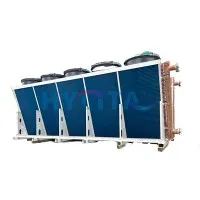
Hey there, folks! As a supplier of evaporator coils, I get asked a ton of questions about these nifty components. One of the most common queries I hear is, "How often should an evaporator coil be cleaned?" Well, I'm here to break it down for you in plain English.
First off, let's talk about what an evaporator coil does. In a nutshell, it's a key part of your HVAC (Heating, Ventilation, and Air Conditioning) system or refrigeration unit. Its job is to absorb heat from the surrounding air, which in turn cools down the space. But over time, these coils can get dirty, and that's when problems start to crop up.
Why Cleaning Is a Big Deal
When an evaporator coil gets dirty, it can't do its job as efficiently. Dust, dirt, and debris build-up act like a blanket, preventing the coil from absorbing heat properly. This means your system has to work harder to achieve the same level of cooling, which can lead to higher energy bills. Not to mention, a dirty coil can also cause your system to break down more often, leading to costly repairs.
Another issue is that dirty coils can harbor mold and bacteria. These can be released into the air you breathe, which isn't great for your health, especially if you have allergies or respiratory problems. So, cleaning your evaporator coil isn't just about keeping your system running smoothly; it's also about keeping you and your family healthy.
Factors That Affect Cleaning Frequency
Now, let's get to the million-dollar question: how often should you clean your evaporator coil? Well, it depends on a few factors.
Environment
The environment where your evaporator coil is located plays a huge role. If your system is in a dusty or dirty area, like a factory or a construction site, the coil will get dirty faster and will need to be cleaned more often. On the other hand, if it's in a clean, indoor environment, it may not need to be cleaned as frequently.
For example, if you have an evaporator coil in a commercial kitchen, it's going to be exposed to a lot of grease and food particles. In this case, you might need to clean it every three to six months. But if it's in a regular office building, once a year might be sufficient.


Usage
How often you use your HVAC or refrigeration system also matters. If you run your system constantly, the coil will accumulate dirt more quickly. For instance, if you have a walk-in freezer that's open and closed all day, the evaporator coil will need more frequent cleaning compared to a freezer that's only used occasionally.
Type of Coil
The material of the coil can also affect how often it needs to be cleaned. For example, Stainless Steel Evap Coil is more resistant to corrosion and dirt build-up compared to other materials. So, it may not need to be cleaned as often. On the other hand, a Refrigeration Copper Coil might require more frequent cleaning.
General Guidelines for Cleaning Frequency
Based on the factors above, here are some general guidelines for how often you should clean your evaporator coil:
Residential HVAC Systems
- Low Usage: If you only use your air conditioner for a few months out of the year and live in a clean environment, you can probably get away with cleaning the evaporator coil once a year.
- High Usage: If you run your air conditioner constantly, especially in a dusty area, you might want to clean the coil every six months.
Commercial HVAC Systems
- Office Buildings: Once a year is usually sufficient, but if the building is in a high-traffic area or has a lot of outdoor air intake, you might want to clean it every six to nine months.
- Retail Stores: Depending on the size of the store and the amount of foot traffic, cleaning every six to twelve months is a good idea.
Refrigeration Systems
- Walk-In Freezers and Coolers: These should be cleaned every three to six months, especially if they're in a busy commercial kitchen or a grocery store.
- Residential Refrigerators: You can clean the evaporator coil once a year or as needed. You can usually access the coil at the back or bottom of the fridge.
Signs That Your Coil Needs Cleaning
Even if you follow the general guidelines, it's a good idea to keep an eye out for signs that your evaporator coil needs cleaning. Here are some things to look for:
- Reduced Cooling Efficiency: If your system is having trouble cooling your space or is taking longer to reach the desired temperature, it could be a sign that the coil is dirty.
- Higher Energy Bills: As mentioned earlier, a dirty coil can cause your system to use more energy. If you notice a sudden increase in your energy bills, it might be time to clean the coil.
- Strange Noises: A dirty coil can cause your system to make strange noises, such as rattling or buzzing. This could be a sign that the dirt is causing the coil to vibrate or that the system is working harder than it should.
- Visible Dirt or Mold: If you can see dirt, dust, or mold on the coil, it's definitely time for a cleaning.
Cleaning Your Evaporator Coil
If you decide to clean your evaporator coil yourself, make sure you follow the manufacturer's instructions. You'll usually need to turn off the power to your system, remove the access panel, and use a soft brush or a coil cleaner to remove the dirt. Be careful not to damage the coil or the fins.
However, if you're not comfortable doing it yourself, it's best to hire a professional HVAC technician. They have the tools and expertise to clean the coil safely and effectively.
When to Replace Your Evaporator Coil
In some cases, cleaning your evaporator coil might not be enough. If the coil is severely damaged or corroded, you might need to replace it. Some signs that your coil needs to be replaced include:
- Leaks: If you notice refrigerant leaks around the coil, it's a sign that the coil is damaged and needs to be replaced.
- Physical Damage: If the coil is bent, dented, or has holes in it, it won't be able to function properly and will need to be replaced.
If you think your evaporator coil needs to be replaced, check out Evaporator Coil Replacement for more information.
Conclusion
So, there you have it, folks! How often you should clean your evaporator coil depends on a variety of factors, including the environment, usage, and type of coil. By following the general guidelines and keeping an eye out for signs of dirt and damage, you can keep your evaporator coil in good condition and your system running smoothly.
If you're in the market for a new evaporator coil or have any questions about cleaning or maintenance, don't hesitate to reach out. We're here to help you find the right solution for your needs. Whether you need a Stainless Steel Evap Coil or a Refrigeration Copper Coil, we've got you covered. Let's get your HVAC or refrigeration system in top-notch shape!
References
- "HVAC Maintenance Guide." HVAC Technology Today.
- "Refrigeration System Best Practices." Refrigeration Industry Journal.