


What happens if the condenser coil fan fails?
As a seasoned supplier of condenser coils, I've witnessed firsthand the crucial role that condenser coil fans play in the efficient operation of various cooling systems. In this blog post, I'll delve into the potential consequences of a condenser coil fan failure and highlight why prompt action is essential to avoid costly downtime and equipment damage.
Understanding the Function of the Condenser Coil Fan
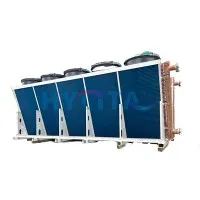
Before we explore the implications of a fan failure, let's briefly review the role of the condenser coil fan in a cooling system. The condenser coil is responsible for dissipating heat from the refrigerant, allowing it to condense from a gas to a liquid state. The fan, on the other hand, helps to accelerate the heat transfer process by drawing air over the condenser coil. This forced air circulation enhances the efficiency of the cooling system, ensuring that it can effectively remove heat from the environment.
Consequences of a Condenser Coil Fan Failure
When the condenser coil fan fails, several issues can arise, each with its own set of implications for the cooling system and the overall operation of the facility. Here are some of the most common consequences:
Reduced Cooling Efficiency
One of the immediate effects of a fan failure is a significant reduction in cooling efficiency. Without the fan to draw air over the condenser coil, the heat transfer process slows down, causing the refrigerant to remain in a gaseous state for longer periods. This results in higher temperatures within the system, which can lead to reduced cooling capacity and increased energy consumption. As a result, the cooling system may struggle to maintain the desired temperature, leading to discomfort for occupants and potential damage to sensitive equipment.
Increased Pressure and Temperature
As the cooling efficiency decreases, the pressure and temperature within the condenser coil can rise significantly. This can put additional stress on the system components, including the compressor, which is responsible for compressing the refrigerant. Over time, the increased pressure and temperature can cause the compressor to overheat and fail, resulting in costly repairs or replacement.
Refrigerant Leaks
The increased pressure and temperature within the system can also cause the refrigerant to leak from the condenser coil. Refrigerant leaks not only reduce the effectiveness of the cooling system but also pose a significant environmental hazard. In addition to the potential damage to the ozone layer, refrigerant leaks can also result in increased energy consumption and higher operating costs.
Equipment Damage
The combination of reduced cooling efficiency, increased pressure and temperature, and refrigerant leaks can cause significant damage to the cooling system components. Over time, the stress on the compressor, condenser coil, and other parts can lead to premature wear and tear, resulting in costly repairs or replacement. In some cases, the damage may be so severe that the entire cooling system needs to be replaced.
Safety Hazards
In addition to the potential damage to the cooling system, a fan failure can also pose a safety hazard to occupants. The increased temperature and pressure within the system can cause the condenser coil to overheat, which can lead to a fire or explosion. In addition, the refrigerant leaks can release harmful chemicals into the environment, which can pose a health risk to occupants.
Types of Condenser Coil Systems Affected
The consequences of a fan failure can vary depending on the type of condenser coil system in use. Here are some of the most common types of condenser coil systems and how they may be affected:


Marine Condenser Unit
Marine condenser units are used in ships and other marine vessels to cool the engine and other equipment. A fan failure in a marine condenser unit can have serious consequences, including reduced engine performance, increased fuel consumption, and potential damage to the engine. In addition, the harsh marine environment can accelerate the corrosion of the condenser coil, making it more susceptible to damage.
Industrial Condenser Unit
Industrial condenser units are used in a variety of industrial applications, including manufacturing, food processing, and chemical production. A fan failure in an industrial condenser unit can result in reduced production efficiency, increased energy consumption, and potential damage to the equipment. In addition, the high temperatures and pressures within industrial systems can make them more susceptible to refrigerant leaks and other safety hazards.
Condenser and Coil for Data Center Cooling
Data centers rely on condenser coils and fans to maintain the optimal temperature and humidity levels for their servers and other equipment. A fan failure in a data center cooling system can cause the temperature to rise rapidly, which can lead to server downtime, data loss, and potential damage to the equipment. In addition, the high energy consumption of data centers makes them particularly vulnerable to the increased energy costs associated with a fan failure.
Preventive Measures and Solutions
To avoid the potential consequences of a condenser coil fan failure, it's important to implement a regular maintenance schedule and take proactive measures to prevent problems from occurring. Here are some tips to help you keep your condenser coil fan in good working condition:
Regular Maintenance
Schedule regular maintenance checks for your condenser coil fan to ensure that it's operating properly. During these checks, a qualified technician should inspect the fan motor, blades, and other components for signs of wear and tear, and clean the condenser coil to remove any dirt or debris that may be blocking the airflow.
Monitor Performance
Install a monitoring system to track the performance of your condenser coil fan and other system components. This can help you detect any issues early on and take corrective action before they become major problems.
Replace Worn Components
If you notice any signs of wear or damage to the condenser coil fan or other system components, replace them immediately. This can help prevent further damage to the system and ensure that it continues to operate efficiently.
Upgrade to Energy-Efficient Equipment
Consider upgrading to energy-efficient condenser coil fans and other system components to reduce your energy consumption and operating costs. Energy-efficient equipment can also help improve the performance and reliability of your cooling system, reducing the risk of fan failure and other problems.
Conclusion
A condenser coil fan failure can have serious consequences for your cooling system and the overall operation of your facility. By understanding the potential issues and taking proactive measures to prevent problems from occurring, you can ensure that your condenser coil fan continues to operate efficiently and reliably. If you're experiencing any problems with your condenser coil fan or other system components, don't hesitate to contact a qualified technician for assistance.
As a leading supplier of condenser coils, we're committed to providing our customers with high-quality products and exceptional service. If you're in the market for a new condenser coil or need assistance with your existing system, please don't hesitate to contact us. We'll be happy to help you find the right solution for your needs and budget.
References
- ASHRAE Handbook of Refrigeration. American Society of Heating, Refrigerating and Air-Conditioning Engineers.
- Cooling Tower Institute. Cooling Tower Fundamentals.
- International Institute of Refrigeration. Refrigeration and Air Conditioning.