


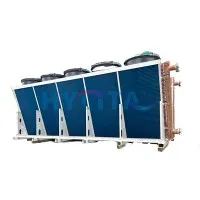
Selecting the appropriate finned tube for a heat exchanger is a critical decision that can significantly impact the efficiency, performance, and longevity of the system. As a finned tube supplier, I understand the complexities involved in this process and am here to guide you through the key considerations to ensure you make the right choice.
Understanding the Basics of Finned Tubes
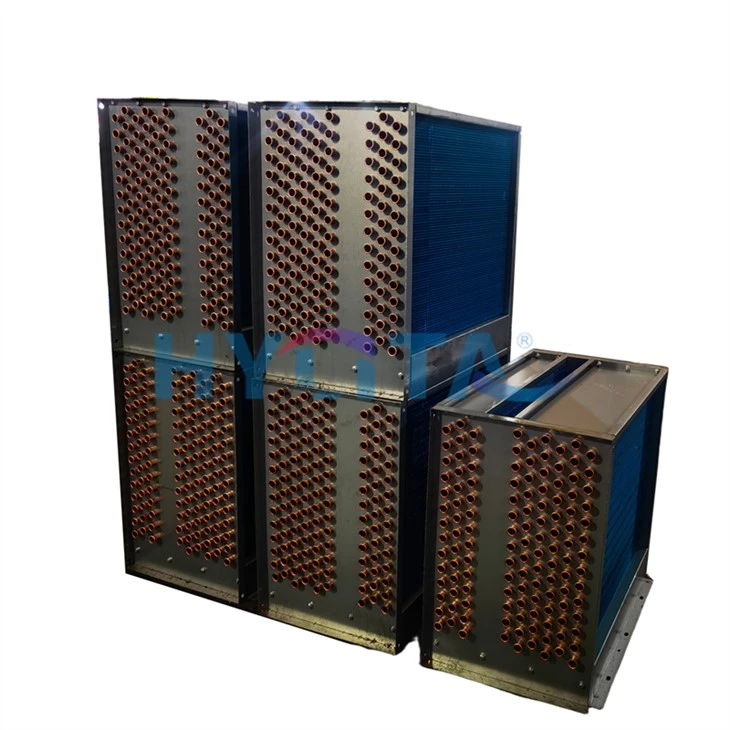
Finned tubes are an essential component of heat exchangers, designed to enhance heat transfer efficiency by increasing the surface area available for heat exchange. They consist of a base tube with fins attached to its outer surface. The fins can be made from various materials, including copper, aluminum, and steel, each offering unique properties and advantages.
Factors to Consider When Choosing Finned Tubes
1. Heat Transfer Requirements
The primary function of a finned tube is to transfer heat efficiently between two fluids. Therefore, the first step in choosing the right finned tube is to determine the heat transfer requirements of your application. This includes factors such as the temperature difference between the two fluids, the flow rates, and the desired heat transfer rate.
For applications with high heat transfer requirements, finned tubes with a large surface area and high thermal conductivity are preferred. Copper fin tubes, for example, are known for their excellent thermal conductivity and are often used in applications where rapid heat transfer is essential. You can explore our Copper Fin Tube Radiators for more information on high-performance copper finned tubes.
2. Fluid Compatibility
The choice of finned tube material also depends on the compatibility of the tube and fin materials with the fluids being used in the heat exchanger. Different fluids can have different chemical properties, such as acidity, alkalinity, and corrosiveness, which can affect the performance and durability of the finned tubes.
For example, in applications where the fluid is corrosive, such as in chemical processing plants, corrosion-resistant materials like stainless steel or aluminum are often used. Aluminum fin tubes, in particular, offer good corrosion resistance and are lightweight, making them suitable for a wide range of applications. Check out our Aluminum Fin Radiator options for more details on aluminum finned tubes.
3. Operating Conditions
The operating conditions of the heat exchanger, such as temperature, pressure, and flow velocity, also play a crucial role in the selection of finned tubes. High temperatures and pressures can cause the finned tubes to expand and contract, which can lead to mechanical stress and potential failure if the tubes are not designed to withstand these conditions.
In applications with high operating temperatures, materials with high melting points and good thermal stability are required. Copper, for instance, has a relatively high melting point and can withstand high temperatures without significant degradation. Our Copper Fin Radiator products are designed to perform well under demanding operating conditions.
4. Cost Considerations
Cost is always an important factor in any engineering decision. The cost of finned tubes can vary depending on the material, size, and manufacturing process. While it may be tempting to choose the cheapest option, it is essential to consider the long-term cost implications, including maintenance, replacement, and energy consumption.
In some cases, investing in higher-quality finned tubes with better performance and durability can result in lower overall costs over the life of the heat exchanger. For example, although copper fin tubes may be more expensive upfront than some other materials, their superior thermal conductivity can lead to energy savings and reduced operating costs in the long run.
5. Finned Tube Design
The design of the finned tubes, including the fin shape, height, pitch, and thickness, can also affect the heat transfer performance and pressure drop across the heat exchanger. Different fin designs are available to suit various applications and operating conditions.
For example, continuous finned tubes are often used in applications where high heat transfer rates are required, while serrated finned tubes can provide better heat transfer performance at lower flow rates. The fin pitch, which is the distance between adjacent fins, also needs to be carefully selected to balance heat transfer efficiency and pressure drop.

Types of Finned Tubes
There are several types of finned tubes available on the market, each with its own unique features and applications. Some of the most common types include:
1. Extruded Finned Tubes
Extruded finned tubes are produced by extruding the fin material onto the base tube. This process creates a strong bond between the fin and the tube, resulting in excellent heat transfer performance. Extruded finned tubes are commonly used in applications where high heat transfer efficiency and mechanical strength are required.
2. Wrapped Finned Tubes
Wrapped finned tubes are made by wrapping a fin strip around the base tube. This type of finned tube is relatively easy and cost-effective to manufacture, making it a popular choice for many applications. However, the bond between the fin and the tube may not be as strong as in extruded finned tubes, which can affect the heat transfer performance.
3. L-Sec Finned Tubes
L-Sec finned tubes have fins that are shaped like the letter "L" and are attached to the base tube. This design provides a large surface area for heat transfer and is suitable for applications with high heat transfer requirements.
Conclusion
Choosing the right finned tube for a heat exchanger is a complex process that requires careful consideration of various factors, including heat transfer requirements, fluid compatibility, operating conditions, cost, and finned tube design. As a finned tube supplier, we have the expertise and experience to help you select the most suitable finned tubes for your specific application.
If you have any questions or need further assistance in choosing the right finned tubes for your heat exchanger, please do not hesitate to contact us. We look forward to discussing your requirements and providing you with the best solutions for your project.
References
- Incropera, F. P., & DeWitt, D. P. (2002). Fundamentals of Heat and Mass Transfer. John Wiley & Sons.
- Holman, J. P. (2002). Heat Transfer. McGraw-Hill.
- Kakac, S., & Liu, H. (2002). Heat Exchangers: Selection, Rating, and Thermal Design. CRC Press.