


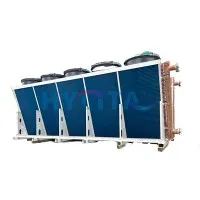
As a supplier of heat recovery units, I've witnessed firsthand the transformative impact these systems can have on energy efficiency and cost savings. Heat recovery units are innovative devices designed to capture and reuse heat that would otherwise be wasted, offering significant potential for energy conservation across various industries. In this blog, I'll explore the energy savings potential of heat recovery units, delving into their working principles, applications, and the benefits they bring to businesses and the environment.
How Heat Recovery Units Work
At the core of a heat recovery unit is the principle of heat exchange. These units are equipped with heat exchangers, which transfer heat from one fluid (usually exhaust air or waste heat) to another (such as fresh air or water). By recovering and reusing this heat, the unit reduces the need for additional energy input to heat or cool a space, thereby saving energy and reducing utility costs.
There are several types of heat recovery units available, each suited to different applications and operating conditions. Some common types include:
- Air-to-Air Heat Exchangers: These units transfer heat between incoming and outgoing air streams in ventilation systems. They are commonly used in commercial buildings, industrial facilities, and residential homes to preheat or precool fresh air, reducing the load on heating and cooling systems.
- Water-to-Water Heat Exchangers: These units transfer heat between two water streams, such as in a boiler system or a district heating network. They can be used to recover waste heat from processes, such as cooling water or exhaust gases, and reuse it to heat water for other purposes.
- Steam-to-Water Heat Exchangers: These units transfer heat from steam to water, typically in a boiler or a steam generation system. They can be used to recover waste heat from steam condensate or exhaust steam and reuse it to preheat feedwater, improving the efficiency of the boiler.
Energy Savings Potential
The energy savings potential of a heat recovery unit depends on several factors, including the type of unit, the application, the operating conditions, and the energy prices. In general, heat recovery units can achieve significant energy savings by reducing the need for additional energy input to heat or cool a space.
For example, in a commercial building, an air-to-air heat exchanger can recover up to 80% of the heat from the exhaust air and transfer it to the incoming fresh air. This can reduce the heating load on the building's HVAC system by up to 50%, resulting in significant energy savings and lower utility bills.


In an industrial facility, a water-to-water heat exchanger can recover waste heat from a process, such as cooling water or exhaust gases, and reuse it to heat water for other purposes, such as preheating feedwater or heating a process stream. This can reduce the energy consumption of the facility by up to 30%, resulting in significant cost savings and a reduced carbon footprint.
In addition to energy savings, heat recovery units can also provide other benefits, such as improved indoor air quality, reduced greenhouse gas emissions, and increased equipment lifespan. By reducing the load on heating and cooling systems, heat recovery units can also improve the comfort and productivity of occupants in commercial buildings and industrial facilities.
Applications
Heat recovery units are used in a wide range of applications across various industries, including:
- Commercial Buildings: Heat recovery units are commonly used in commercial buildings, such as offices, schools, hospitals, and hotels, to improve energy efficiency and reduce utility costs. They can be installed in ventilation systems to preheat or precool fresh air, reducing the load on heating and cooling systems.
- Industrial Facilities: Heat recovery units are widely used in industrial facilities, such as manufacturing plants, refineries, and power plants, to recover waste heat from processes and reuse it for other purposes. They can be used to preheat feedwater, heat process streams, or generate steam, reducing the energy consumption of the facility and improving its efficiency.
- Residential Homes: Heat recovery units are becoming increasingly popular in residential homes, especially in energy-efficient buildings. They can be installed in ventilation systems to preheat or precool fresh air, reducing the load on heating and cooling systems and improving indoor air quality.
- Food and Beverage Industry: Heat recovery units are commonly used in the food and beverage industry to recover waste heat from processes, such as cooking, baking, and pasteurization, and reuse it for other purposes, such as preheating water or heating a process stream. This can reduce the energy consumption of the facility and improve its efficiency.
Choosing the Right Heat Recovery Unit
When choosing a heat recovery unit, it's important to consider several factors, including the type of unit, the application, the operating conditions, and the energy savings potential. Here are some tips to help you choose the right heat recovery unit for your needs:
- Determine Your Application: The first step in choosing a heat recovery unit is to determine your application. Consider the type of heat source, the temperature and flow rate of the heat source, and the temperature and flow rate of the heat sink. This will help you determine the type of heat recovery unit that is best suited for your needs.
- Consider the Operating Conditions: The operating conditions of your heat recovery unit will also affect its performance and energy savings potential. Consider the temperature, pressure, and humidity of the environment, as well as the presence of any contaminants or corrosive substances. This will help you choose a heat recovery unit that is designed to operate in your specific conditions.
- Evaluate the Energy Savings Potential: The energy savings potential of a heat recovery unit is one of the most important factors to consider when choosing a unit. Consider the initial cost of the unit, the operating cost, and the expected energy savings over the life of the unit. This will help you determine the payback period and the return on investment of the unit.
- Choose a Reputable Supplier: Finally, it's important to choose a reputable supplier when purchasing a heat recovery unit. Look for a supplier that has a proven track record of providing high-quality products and services, and that offers technical support and after-sales service. This will help ensure that your heat recovery unit operates efficiently and effectively for many years to come.
Conclusion
Heat recovery units offer significant potential for energy savings and cost reduction across various industries. By capturing and reusing waste heat, these units can reduce the need for additional energy input to heat or cool a space, resulting in lower utility bills and a reduced carbon footprint. As a supplier of heat recovery units, I'm committed to helping businesses and homeowners achieve their energy efficiency goals by providing high-quality products and services.
If you're interested in learning more about the energy savings potential of heat recovery units or if you're looking for a heat recovery unit for your specific application, please don't hesitate to contact me. I'd be happy to discuss your needs and provide you with a customized solution that meets your requirements.
References
- ASHRAE Handbook of Fundamentals. American Society of Heating, Refrigerating and Air-Conditioning Engineers.
- Energy Star. "Commercial Building Energy Efficiency." U.S. Environmental Protection Agency.
- DOE. "Industrial Energy Efficiency." U.S. Department of Energy.
Related Products
If you're interested in exploring the potential of our heat recovery units for your business, we invite you to reach out for a detailed discussion. Our team of experts is ready to assist you in finding the most suitable solution for your energy efficiency needs. Let's work together to achieve significant energy savings and a more sustainable future.