


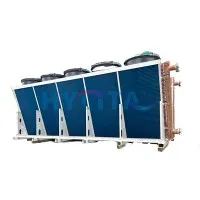
As a trusted supplier of Titanium Coil, I understand that many of our clients are interested in the process of cutting titanium coils. Titanium, known for its excellent corrosion resistance, high strength, and low density, is a popular choice for various applications, including heat exchangers, chemical processing, and aerospace. In this blog, I'd like to share some professional insights on how to cut titanium coils effectively and safely.


Understanding Titanium Coil
Before diving into the cutting process, it's crucial to have a basic understanding of titanium coils. Titanium coils are made from titanium alloy strips that are wound into a continuous coil shape. They come in different thicknesses, widths, and grades, each suitable for specific applications. For instance, our Titanium Coil is widely used in heat exchanger systems due to its superior heat transfer properties and resistance to harsh environments.
Factors Affecting the Cutting Process
Several factors can influence the cutting of titanium coils. First, the grade of titanium plays a significant role. Different titanium grades have varying hardness and ductility, which can affect the cutting speed, tool wear, and surface finish. Second, the thickness of the coil is also crucial. Thicker coils require more powerful cutting equipment and may need slower cutting speeds to ensure a clean and accurate cut. Additionally, the cutting environment, including temperature, humidity, and the presence of contaminants, can impact the cutting process and the quality of the cut.
Cutting Methods for Titanium Coil
There are several methods available for cutting titanium coils, each with its own advantages and limitations.
1. Shearing
Shearing is a common method for cutting titanium coils, especially for straight cuts. It involves using a pair of sharp blades to cut through the coil. The main advantage of shearing is its high efficiency and relatively low cost. However, shearing may cause some deformation at the cut edge, especially for thicker coils. To minimize deformation, it's important to use sharp blades and adjust the cutting clearance properly.
2. Laser Cutting
Laser cutting is a precise and versatile method for cutting titanium coils. It uses a high - energy laser beam to melt and vaporize the material, resulting in a clean and accurate cut. Laser cutting can produce complex shapes and fine details, making it suitable for applications that require high precision. However, laser cutting equipment can be expensive, and the operating cost is relatively high. Additionally, the heat generated during laser cutting may cause some heat - affected zones on the cut edge.
3. Plasma Cutting
Plasma cutting is another popular method for cutting titanium coils. It uses a high - velocity jet of ionized gas to melt and blow away the material. Plasma cutting is suitable for cutting thick titanium coils and can achieve relatively high cutting speeds. However, like laser cutting, plasma cutting also generates heat, which may lead to some distortion and a rougher surface finish compared to other methods.
4. Waterjet Cutting
Waterjet cutting is a non - thermal cutting method that uses a high - pressure stream of water mixed with abrasive particles to cut through the titanium coil. This method is ideal for cutting heat - sensitive materials as it does not generate heat during the cutting process. Waterjet cutting can produce smooth and accurate cuts with minimal distortion. However, the cutting speed of waterjet cutting is relatively slow, and the cost of abrasive materials can add to the overall cost.
Choosing the Right Cutting Method
The choice of cutting method depends on several factors, including the specific requirements of the project, the budget, and the available equipment. If you need to make straight cuts on relatively thin titanium coils and cost is a major concern, shearing may be the best option. For high - precision cuts and complex shapes, laser cutting is often the preferred choice. If you need to cut thick coils quickly, plasma cutting may be more suitable. And if you are dealing with heat - sensitive applications, waterjet cutting is a great alternative.
Pre - cutting Preparations
Before starting the cutting process, there are several preparations that need to be made. First, ensure that the cutting equipment is in good working condition. Check the blades, laser heads, plasma torches, or waterjet nozzles for wear and tear, and replace them if necessary. Second, clean the titanium coil surface to remove any dirt, grease, or oxide layers. This can improve the cutting quality and reduce tool wear. Third, measure and mark the cutting line accurately on the coil to ensure the correct dimensions and cutting position.
Safety Precautions
Cutting titanium coils involves some potential hazards, so it's essential to take appropriate safety precautions. Wear appropriate personal protective equipment (PPE), including safety glasses, gloves, and ear protection. When using laser cutting or plasma cutting, make sure to have proper ventilation to remove fumes and dust. Follow the operating instructions of the cutting equipment carefully and do not operate the equipment beyond its rated capacity.
Post - cutting Treatment
After cutting the titanium coil, some post - cutting treatment may be required. For example, if there is any burr or rough edge on the cut surface, it can be removed by grinding or polishing. If the cut edge needs to be protected from corrosion, a suitable coating or passivation treatment can be applied.
Applications of Cut Titanium Coil
The cut titanium coils can be used in a wide range of applications. In the heat exchanger industry, our Stainless Steel Coil Cooler and Shell and Tube Coil Cooler often use cut titanium coils due to their excellent heat transfer performance. In the chemical processing industry, titanium coils are used in reactors, condensers, and other equipment because of their corrosion resistance. In the aerospace industry, cut titanium coils are used in aircraft components for their high strength - to - weight ratio.
Conclusion
Cutting titanium coils requires a good understanding of the material properties, the appropriate cutting methods, and strict safety precautions. By following the guidelines mentioned above, you can achieve high - quality cuts and ensure the performance of the final products. As a professional Titanium Coil supplier, we are committed to providing high - quality products and technical support. If you have any questions about cutting titanium coils or are interested in purchasing our Titanium Coil, please feel free to contact us for further discussions. We look forward to working with you to meet your specific needs.
References
- ASM Handbook Volume 16: Machining, ASM International
- Titanium: A Technical Guide, Second Edition, by John C. Williams