


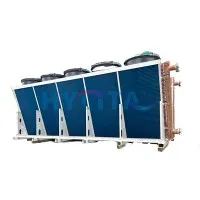
Hey there! As a finned tube supplier, I've seen firsthand how important it is for these tubes to withstand frost. Frost can cause a whole bunch of problems, like reducing the efficiency of heat exchangers and even damaging the tubes over time. So, I thought I'd share some tips on how to enhance the frost resistance of finned tubes.
Understanding the Frost Problem
First off, let's talk about why frost is such a big deal. When the temperature drops and moisture in the air comes into contact with the cold surface of the finned tubes, it can freeze and form frost. This frost layer acts as an insulator, reducing the heat transfer efficiency between the tube and the surrounding air. As a result, the performance of the heat exchanger goes down, and you might end up using more energy to achieve the same level of heating or cooling.
Material Selection
One of the first steps in enhancing frost resistance is choosing the right materials for your finned tubes. Different materials have different properties when it comes to dealing with frost.
- Aluminum Fin Tubes: Aluminum is a popular choice for finned tubes because it's lightweight, has good thermal conductivity, and is relatively corrosion-resistant. Aluminum Fin Radiator made from aluminum fin tubes can be a great option in many applications. Aluminum also has a relatively low surface energy, which means that frost is less likely to adhere to it compared to some other materials.
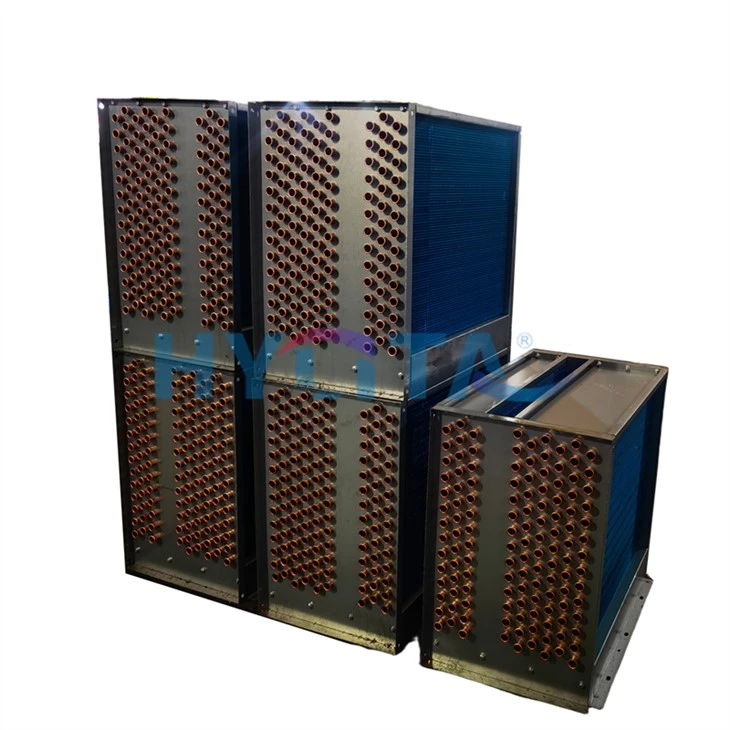
- Copper Fin Tubes: Copper is another excellent material for finned tubes. It has even better thermal conductivity than aluminum, which means it can transfer heat more efficiently. Copper Fin Tube Radiators are often used in high-performance applications. Copper is also resistant to corrosion, but it can be more expensive than aluminum.
Surface Treatments
In addition to choosing the right material, you can also apply surface treatments to the finned tubes to improve their frost resistance.
- Hydrophobic Coatings: Hydrophobic coatings make the surface of the tubes repel water. When water droplets come into contact with a hydrophobic surface, they form beads and roll off instead of spreading out and freezing. This can significantly reduce the amount of frost that forms on the tubes.
- Anti - Frost Coatings: Some specialized anti - frost coatings are designed to prevent frost formation altogether. These coatings work by either lowering the freezing point of water on the surface or by preventing ice crystals from forming.
Design Considerations
The design of the finned tubes also plays a crucial role in their frost resistance.
- Fin Geometry: The shape and spacing of the fins can affect how frost accumulates on the tubes. For example, fins with a larger surface area may accumulate more frost, but they can also transfer heat more efficiently. On the other hand, fins with a smaller pitch (spacing between fins) may be more prone to clogging with frost. Finding the right balance is key.
- Tube Layout: The way the tubes are arranged in the heat exchanger can also impact frost resistance. A well - designed tube layout can ensure proper air circulation around the tubes, which helps to prevent the buildup of frost.
Maintenance and Operation
Proper maintenance and operation are essential for keeping the finned tubes frost - resistant.
- Regular Cleaning: Over time, dirt, dust, and other contaminants can accumulate on the surface of the finned tubes. This can not only reduce the heat transfer efficiency but also provide a surface for frost to adhere to. Regular cleaning can help to keep the tubes in good condition.
- Defrosting Cycles: In applications where frost is likely to form, it's important to have a defrosting system in place. This can involve using electric heaters, hot air, or other methods to melt the frost and remove it from the tubes.
Monitoring and Control
Monitoring the conditions around the finned tubes can help you take proactive measures to prevent frost formation.
- Temperature and Humidity Sensors: Installing temperature and humidity sensors in the vicinity of the heat exchanger can provide real - time data on the environmental conditions. Based on this data, you can adjust the operation of the heat exchanger or activate the defrosting system as needed.
- Automated Control Systems: Automated control systems can be programmed to respond to changes in temperature and humidity. For example, if the humidity level rises and the temperature drops, the system can automatically start the defrosting cycle.
Conclusion
Enhancing the frost resistance of finned tubes is a multi - faceted process that involves material selection, surface treatments, design considerations, maintenance, and monitoring. By taking these steps, you can ensure that your finned tubes perform well even in cold and humid conditions.
If you're in the market for high - quality finned tubes that are designed to withstand frost, we're here to help. We offer a wide range of Fin Radiator options made from different materials and with various surface treatments. Whether you need tubes for a small - scale application or a large industrial project, we can provide you with the right solution.

Don't hesitate to reach out to us for more information or to discuss your specific requirements. We're looking forward to working with you and helping you find the perfect finned tube solution for your needs.
References
- Incropera, F. P., DeWitt, D. P., Bergman, T. L., & Lavine, A. S. (2007). Fundamentals of Heat and Mass Transfer. John Wiley & Sons.
- Holman, J. P. (2010). Heat Transfer. McGraw - Hill.