


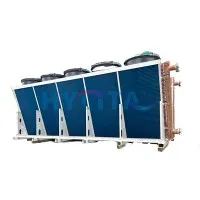
Hey there! As a supplier of cooler condensers, I've had the chance to work with all sorts of these nifty devices. Cooler condensers are super important in a bunch of industries, from HVAC systems to industrial manufacturing. They play a key role in getting rid of heat and keeping things running smoothly. In this blog, I'm gonna break down the different types of cooler condensers out there.
Air - Cooled Condensers
Let's start with air - cooled condensers. These are pretty common and easy to understand. They use air to cool the refrigerant that's flowing through them. The way they work is simple: a fan blows air over a set of coils where the hot refrigerant is. As the air moves over the coils, it absorbs the heat from the refrigerant, cooling it down and turning it back into a liquid.
One big advantage of air - cooled condensers is that they're relatively easy to install. You don't need a separate water source, which makes them a great option for places where water is scarce or hard to access. They're also pretty low - maintenance. You just gotta make sure the coils stay clean and the fan is working properly.
However, they do have some drawbacks. They're not as efficient as some other types of condensers, especially in hot climates. When the outside air is really warm, it's harder for the condenser to transfer the heat, so it has to work harder. This can lead to higher energy consumption and potentially more wear and tear on the system.
Water - Cooled Condensers
Next up are water - cooled condensers. These use water to remove heat from the refrigerant. There are a few different types of water - cooled condensers, but the basic principle is the same. Water runs through a heat exchanger, and as the hot refrigerant passes through the other side of the exchanger, the water absorbs the heat.
Water - cooled condensers are more efficient than air - cooled ones, especially in hot environments. Water has a much higher heat capacity than air, which means it can absorb more heat in a shorter amount of time. This makes them a great choice for large industrial applications where a lot of heat needs to be removed quickly.
But they also come with their own set of challenges. You need a reliable source of water, and that water has to be treated to prevent scaling and corrosion inside the condenser. They also require more complex plumbing and maintenance compared to air - cooled condensers.
If you're interested in a specific water - based option, check out our Water Intermediate Cooler. It's designed to handle intermediate cooling needs with great efficiency.
Evaporative Condensers
Evaporative condensers are a bit of a hybrid between air - cooled and water - cooled condensers. They use both air and water to cool the refrigerant. Here's how it works: The hot refrigerant flows through a set of coils, and a pump sprays water over the coils. At the same time, a fan blows air over the wet coils. As the water evaporates, it takes heat away from the refrigerant, cooling it down.
One of the main advantages of evaporative condensers is their high efficiency. The evaporation process is very effective at removing heat, so they can cool the refrigerant quickly. They also use less water than traditional water - cooled condensers because most of the water is recycled.
But they have some limitations too. They need a supply of water, and they can be a bit noisy because of the fans and pumps. Also, like air - cooled condensers, their performance can be affected by the humidity of the surrounding air. If you're in the market for an evaporative option, take a look at our Evaporative Cooler Industrial. It's built to handle industrial - scale cooling with an evaporative approach.
Oil - Cooled Condensers
Last but not least, we have oil - cooled condensers. These are often used in applications where oil needs to be cooled, like in some types of engines or hydraulic systems. The hot oil flows through a heat exchanger, and a coolant (usually water or air) is used to remove the heat from the oil.
Oil - cooled condensers are designed to handle the specific properties of oil, such as its high viscosity and heat - carrying capacity. They're built to be durable and resistant to the corrosive effects of oil.
One of the benefits of oil - cooled condensers is their ability to maintain a stable temperature for the oil. This is important for the proper functioning of the equipment that uses the oil. If you're looking for an oil - based solution, our Oil Intermediate Cooler might be just what you need.
Choosing the Right Cooler Condenser
So, how do you choose the right cooler condenser for your needs? Well, it depends on a few factors. First, think about the environment where the condenser will be used. If you're in a hot and dry area, an air - cooled condenser might not be the best option. On the other hand, if water is scarce, a water - cooled condenser could be a problem.
You also need to consider the amount of heat that needs to be removed. Large industrial applications usually require more efficient condensers, like water - cooled or evaporative condensers. Smaller systems, like those in residential HVAC units, might work well with air - cooled condensers.
Cost is another important factor. Air - cooled condensers are generally cheaper to install and maintain, but they might cost more to operate in the long run because of their lower efficiency. Water - cooled and evaporative condensers can be more expensive upfront, but they can save you money on energy costs over time.
Why Choose Us as Your Supplier
As a cooler condenser supplier, we've got a lot to offer. We've been in the business for a long time, and we know our stuff. We offer a wide range of condenser types, so you can find the perfect one for your application.
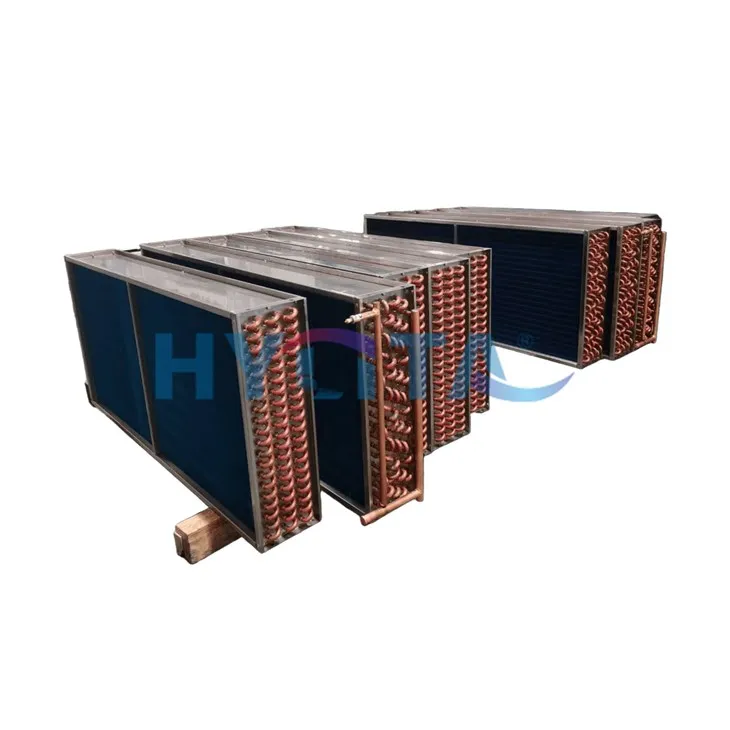
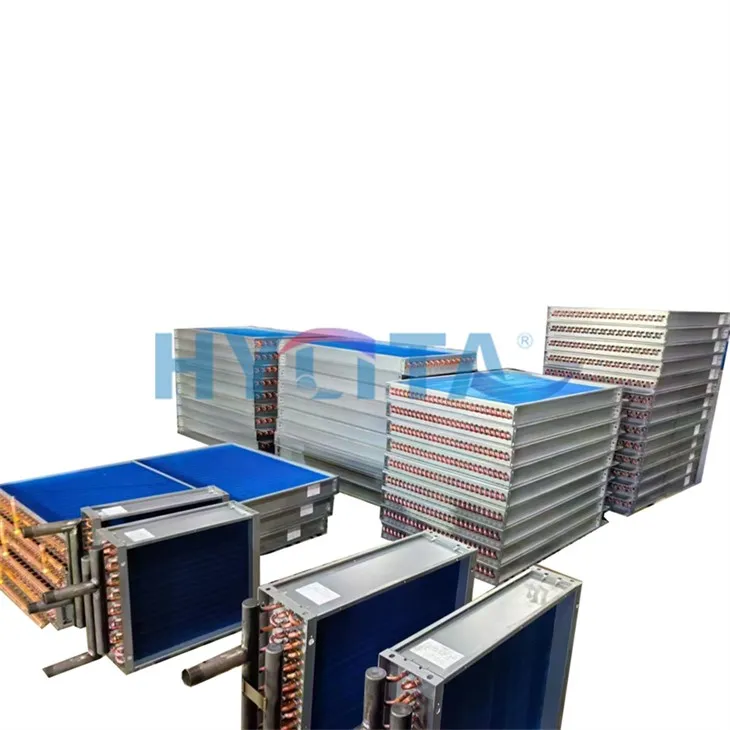
Our products are made with high - quality materials and are built to last. We also have a great team of experts who can help you with installation, maintenance, and any technical questions you might have. Whether you're a small business or a large industrial operation, we can provide you with the right cooler condenser solution.
If you're interested in learning more about our products or getting a quote, don't hesitate to reach out. We're here to help you make the best choice for your cooling needs. Let's start a discussion about your project and see how we can work together to find the perfect cooler condenser for you.
References
- ASHRAE Handbook of Refrigeration.
- "Principles of Heat Transfer" by Frank Kreith and Raj M. Manglik.
- Various industry reports on cooling equipment and technology.