


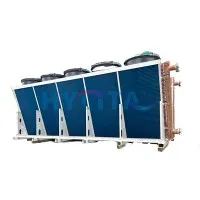
Optimizing a waste heat recovery system is crucial for enhancing energy efficiency, reducing operational costs, and minimizing environmental impact. As a leading Waste Heat Recovery supplier, we understand the intricacies involved in achieving an optimized system. In this blog, we will explore various strategies and considerations to help you get the most out of your waste heat recovery setup.
Understanding the Basics of Waste Heat Recovery
Before delving into optimization strategies, it's essential to have a clear understanding of what waste heat recovery is. Waste heat is the heat energy that is generated as a by - product of industrial processes, power generation, or other activities and is typically released into the environment. Waste Heat Recovery systems are designed to capture this otherwise wasted heat and convert it into useful energy, such as electricity, hot water, or steam.
There are different types of waste heat sources, including high - temperature waste heat from furnaces and boilers, medium - temperature waste heat from engines and kilns, and low - temperature waste heat from cooling systems. The effectiveness of a waste heat recovery system depends on factors such as the temperature and quantity of the waste heat, the type of heat recovery technology used, and the specific requirements of the application.
Assessing the Waste Heat Source
The first step in optimizing a waste heat recovery system is to conduct a thorough assessment of the waste heat source. This involves measuring the temperature, flow rate, and composition of the waste heat stream. Understanding these parameters will help you determine the most suitable heat recovery technology for your application.
For high - temperature waste heat sources, technologies such as steam turbines or thermoelectric generators can be used to convert the heat into electricity. Medium - temperature waste heat can be utilized for pre - heating feedwater, generating hot water, or powering absorption chillers. Low - temperature waste heat can be recovered using heat pumps or for space heating applications.
In addition to the technical assessment, it's also important to consider the reliability and availability of the waste heat source. Some industrial processes may have intermittent waste heat generation, which can affect the overall performance of the heat recovery system. By understanding the patterns of waste heat generation, you can design a system that can effectively handle these variations.
Selecting the Right Heat Recovery Equipment
Once you have assessed the waste heat source, the next step is to select the right heat recovery equipment. There are several types of heat recovery devices available, each with its own advantages and limitations.
Economizer Tube is a commonly used heat recovery device that is installed in the exhaust gas path of boilers and furnaces. It pre - heats the feedwater using the waste heat from the exhaust gases, thereby reducing the energy consumption of the boiler. Economizer tubes are available in different materials and configurations, depending on the specific requirements of the application.
Another popular heat recovery device is the SS Economiser Heat Exchanger. This type of heat exchanger is made of stainless steel and is designed to transfer heat between two fluids. It can be used in a variety of applications, including industrial processes, power generation, and HVAC systems.
When selecting heat recovery equipment, it's important to consider factors such as the heat transfer efficiency, durability, and maintenance requirements of the equipment. You should also ensure that the equipment is compatible with the waste heat source and the overall system design.
System Design and Integration
Optimizing a waste heat recovery system also involves careful system design and integration. The heat recovery system should be designed to work seamlessly with the existing industrial process or power generation system. This requires a comprehensive understanding of the process requirements, the flow of materials and energy, and the control strategies.
Proper insulation is crucial to minimize heat losses in the system. Insulating the pipes, ducts, and heat exchangers can significantly improve the efficiency of the heat recovery system. Additionally, the system should be designed with appropriate valves, pumps, and controls to ensure optimal operation.
Integration with the existing system also involves considering the electrical and mechanical interfaces. For example, if the waste heat is being used to generate electricity, the electrical output of the heat recovery system should be compatible with the electrical grid or the on - site power distribution system.
Monitoring and Maintenance
Once the waste heat recovery system is installed and operational, continuous monitoring and maintenance are essential for optimizing its performance. Monitoring the system allows you to detect any issues or inefficiencies early on and take corrective actions.
Key performance indicators (KPIs) such as the heat recovery efficiency, power output, and energy savings should be regularly monitored. This can be done using sensors and monitoring systems that provide real - time data on the system's performance. By analyzing this data, you can identify trends and make adjustments to the system as needed.
Regular maintenance of the heat recovery equipment is also crucial. This includes cleaning the heat exchangers, checking the integrity of the pipes and valves, and lubricating the moving parts. By following a proper maintenance schedule, you can extend the lifespan of the equipment and ensure its reliable operation.
Advanced Control Strategies
Implementing advanced control strategies can further optimize the performance of a waste heat recovery system. These strategies use algorithms and sensors to adjust the operation of the system based on real - time conditions.
For example, a control system can be designed to adjust the flow rate of the working fluid in the heat recovery system based on the temperature and flow rate of the waste heat source. This ensures that the system operates at its maximum efficiency under different operating conditions.


Another advanced control strategy is the use of predictive maintenance. By analyzing historical data and using machine learning algorithms, the system can predict when maintenance is required, allowing you to schedule maintenance activities in advance and minimize downtime.
Cost - Benefit Analysis
Optimizing a waste heat recovery system also involves conducting a cost - benefit analysis. While the initial investment in a heat recovery system can be significant, the long - term benefits in terms of energy savings, reduced operating costs, and environmental impact can outweigh the costs.
When conducting a cost - benefit analysis, you should consider factors such as the capital cost of the equipment, the installation and commissioning costs, the operating and maintenance costs, and the potential revenue from the sale of the recovered energy. By comparing these costs with the expected energy savings and other benefits, you can determine the payback period of the investment.
Conclusion
Optimizing a waste heat recovery system is a complex but rewarding process. By following the strategies outlined in this blog, including assessing the waste heat source, selecting the right equipment, designing an integrated system, implementing advanced control strategies, and conducting a cost - benefit analysis, you can achieve significant improvements in energy efficiency and cost savings.
As a Waste Heat Recovery supplier, we are committed to helping our customers optimize their heat recovery systems. Our team of experts can provide you with customized solutions based on your specific requirements. If you are interested in learning more about our waste heat recovery products and services, or if you have any questions about optimizing your existing system, we encourage you to contact us for a detailed discussion and potential procurement. Let's work together to make your operations more energy - efficient and sustainable.
References
- ASHRAE Handbook - HVAC Systems and Equipment. American Society of Heating, Refrigerating and Air - Conditioning Engineers.
- Duffie, J. A., & Beckman, W. A. (2013). Solar Engineering of Thermal Processes. John Wiley & Sons.
- Incropera, F. P., & DeWitt, D. P. (2002). Fundamentals of Heat and Mass Transfer. John Wiley & Sons.