


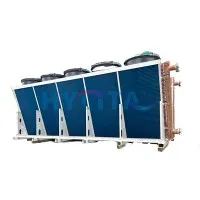
Fouling in an economiser of a boiler is a common yet challenging issue that can significantly impact the efficiency and performance of the entire system. As a leading supplier of economisers for boilers, we understand the importance of addressing this problem effectively. In this blog, we will discuss various strategies to prevent fouling in an economiser, drawing on our industry expertise and the latest research in the field.
Understanding Economiser Fouling
Before delving into prevention methods, it's crucial to understand what economiser fouling is. An economiser is a heat exchanger device that recovers heat from the boiler flue gas and uses it to pre - heat the feedwater. Fouling occurs when unwanted materials such as dust, ash, soot, and chemical deposits accumulate on the heat transfer surfaces of the economiser. This accumulation acts as an insulating layer, reducing the heat transfer efficiency between the flue gas and the feedwater. As a result, the boiler has to consume more fuel to achieve the desired output, leading to increased operating costs and potentially shorter equipment lifespan.
Types of Fouling
There are several types of fouling that can affect an economiser:
1. Particulate Fouling
This is the most common type and is caused by the deposition of solid particles carried by the flue gas. These particles can come from the combustion of fuel, such as coal, oil, or biomass. If the fuel has a high ash content, the likelihood of particulate fouling increases significantly.
2. Chemical Fouling
Chemical reactions between the flue gas components and the heat transfer surfaces can lead to chemical fouling. For example, sulfur in the fuel can react with water vapor in the flue gas to form sulfuric acid, which can corrode and deposit on the economiser tubes.
3. Biological Fouling
In some cases, especially when using low - grade fuels or in humid environments, microorganisms can grow on the heat transfer surfaces, causing biological fouling.
Prevention Strategies
1. Fuel Quality Control
One of the most effective ways to prevent fouling is to control the quality of the fuel used in the boiler. As a supplier, we recommend working closely with fuel suppliers to ensure that the fuel meets the required specifications. For example, using fuels with low ash and sulfur content can significantly reduce the risk of particulate and chemical fouling. Biomass fuels should be properly processed to remove impurities before combustion.
Moreover, proper fuel storage and handling are also essential. Fuels should be stored in a dry and clean environment to prevent contamination. Regular fuel analysis should be conducted to monitor its quality and make necessary adjustments to the combustion process.
2. Combustion Optimization
Optimizing the combustion process can minimize the formation of fouling - causing substances. This includes adjusting the air - fuel ratio, ensuring proper mixing of fuel and air, and maintaining stable combustion conditions. A well - designed combustion system can reduce the production of unburned particles and harmful gases in the flue gas.
Advanced combustion control technologies, such as flame monitoring systems and oxygen sensors, can be installed to continuously monitor and adjust the combustion process in real - time. This helps to ensure that the fuel is burned efficiently, reducing the amount of pollutants and particulate matter in the flue gas.


3. Inlet Gas Filtration
Installing effective gas filtration systems at the inlet of the economiser can remove a significant portion of the particulate matter from the flue gas. There are various types of filters available, including fabric filters, electrostatic precipitators, and cyclone separators.
Fabric filters are highly efficient in capturing fine particles but may require regular maintenance to prevent clogging. Electrostatic precipitators use an electrostatic charge to attract and collect particles, while cyclone separators rely on centrifugal force to separate particles from the gas stream. The choice of filter depends on factors such as the particle size distribution, gas flow rate, and operating conditions.
4. Regular Cleaning and Maintenance
Regular cleaning of the economiser is essential to remove any accumulated fouling. There are several cleaning methods available:
- Mechanical Cleaning: This involves using brushes, scrapers, or high - pressure water jets to physically remove the deposits from the heat transfer surfaces. Mechanical cleaning is suitable for removing hard and thick deposits but may require shutting down the boiler, which can cause production losses.
- Chemical Cleaning: Chemical cleaning agents can be used to dissolve the fouling deposits. However, this method requires careful selection of chemicals to avoid damaging the economiser tubes. Chemical cleaning is often used for removing chemical and biological fouling.
- Online Cleaning: Some advanced economisers are equipped with online cleaning systems, such as soot blowers. Soot blowers use steam or compressed air to blow away the loose deposits on the heat transfer surfaces during boiler operation, minimizing downtime.
In addition to cleaning, regular maintenance of the economiser, including inspection of tubes for corrosion and leaks, is crucial to ensure its long - term performance.
5. Design Considerations
When designing an economiser, certain features can be incorporated to prevent fouling:
- Tube Geometry: Using tubes with smooth surfaces and appropriate spacing can reduce the likelihood of particle deposition. Tubes with a larger diameter and a lower fin density are less prone to fouling compared to tubes with small diameters and high fin densities.
- Flow Arrangement: Optimizing the flow arrangement of the flue gas and feedwater can improve the heat transfer efficiency and reduce fouling. For example, counter - flow arrangements are generally more efficient than parallel - flow arrangements.
- Material Selection: Choosing the right materials for the economiser tubes can also prevent fouling. Carbon Steel Economiser is a popular choice due to its good heat transfer properties and corrosion resistance. However, in some aggressive environments, stainless steel or other alloy materials may be required.
Benefits of Preventing Economiser Fouling
Preventing fouling in the economiser offers several benefits:
- Improved Efficiency: By maintaining clean heat transfer surfaces, the economiser can transfer heat more effectively, reducing the fuel consumption of the boiler and improving overall energy efficiency.
- Extended Equipment Lifespan: Reducing fouling and corrosion can extend the lifespan of the economiser and other boiler components, reducing the need for frequent replacements and maintenance.
- Lower Operating Costs: Improved efficiency and reduced maintenance requirements result in lower operating costs for the boiler system.
- Environmental Benefits: Lower fuel consumption means reduced emissions of greenhouse gases and other pollutants, contributing to a more sustainable environment.
Heat Recovery and Fouling Prevention
Effective fouling prevention also plays a crucial role in heat recovery. An economiser is an important part of the Heat Energy Recovery and Heat Exhaust Recovery systems in a boiler. When the economiser is free from fouling, it can recover more heat from the flue gas, increasing the overall heat recovery efficiency of the system.
Conclusion
Fouling in an economiser is a complex problem that requires a comprehensive approach to prevention. By controlling fuel quality, optimizing combustion, using proper filtration, conducting regular cleaning and maintenance, and considering design factors, we can effectively prevent fouling and ensure the efficient operation of the economiser.
As a leading supplier of economisers for boilers, we are committed to providing high - quality products and solutions to our customers. Our economisers are designed with advanced features to minimize fouling and maximize heat transfer efficiency. If you are facing fouling issues in your boiler economiser or are interested in upgrading your existing system, we invite you to contact us for a consultation. Our team of experts will work with you to develop a customized solution that meets your specific needs.
References
- Smith, J. (2018). Boiler Efficiency and Heat Recovery. Elsevier.
- Johnson, A. (2019). Fouling Prevention in Heat Exchangers. Springer.
- Brown, R. (2020). Fuel Quality and Combustion Optimization. Wiley.