


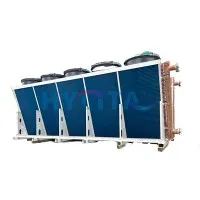
Yo! I'm a supplier of heat exchanger coils, and I know firsthand how frustrating it can be when these coils freeze up in cold environments. It's not just a minor annoyance; it can lead to costly repairs, downtime, and even safety hazards. So, I'm here to share some tips on how to prevent your heat exchanger coils from freezing.
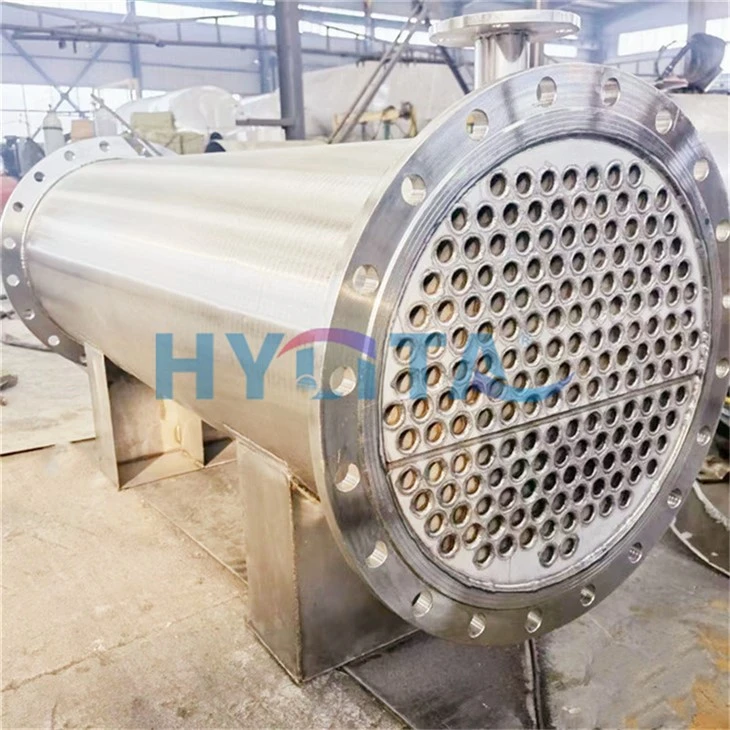
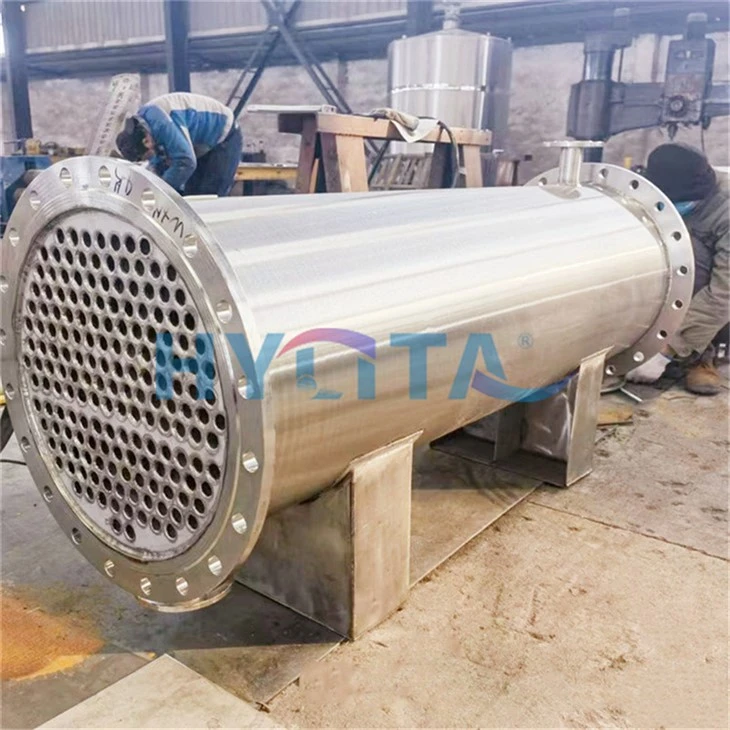
Understanding the Problem
Before we dive into the solutions, let's first understand why heat exchanger coils freeze in the first place. In cold environments, the temperature of the fluid flowing through the coils can drop below its freezing point, causing the water or other liquid to solidify. This can block the flow of fluid, reduce the efficiency of the heat exchanger, and even damage the coils.
There are several factors that can contribute to coil freezing, including:
- Low ambient temperature: Obviously, the colder it is outside, the greater the risk of freezing.
- Low fluid flow rate: If the fluid isn't flowing through the coils fast enough, it has more time to cool down and freeze.
- Poor insulation: Insufficient insulation around the coils can allow heat to escape, increasing the likelihood of freezing.
- Malfunctioning controls: If the temperature or flow rate controls aren't working properly, the coils may not receive enough heat or fluid to prevent freezing.
Preventive Measures
1. Maintain Adequate Fluid Flow
One of the most important steps in preventing coil freezing is to ensure that the fluid is flowing through the coils at a sufficient rate. This can be achieved by:
- Checking the pumps: Make sure the pumps are working properly and are capable of providing the required flow rate. If necessary, consider upgrading to a larger or more powerful pump.
- Monitoring the flow meters: Regularly check the flow meters to ensure that the fluid is flowing at the correct rate. If the flow rate is too low, adjust the pumps or valves accordingly.
- Avoiding blockages: Keep the pipes and coils clean and free of debris to prevent blockages that can restrict the flow of fluid.
2. Use Anti - Freeze Solutions
Adding an anti - freeze solution to the fluid in the heat exchanger can significantly lower its freezing point. Common anti - freeze agents include ethylene glycol and propylene glycol. However, it's important to use the right type and concentration of anti - freeze for your specific application.
- Choose the appropriate anti - freeze: Consider factors such as the operating temperature range, compatibility with the fluid and materials in the heat exchanger, and environmental regulations when selecting an anti - freeze.
- Maintain the correct concentration: Follow the manufacturer's recommendations for the proper concentration of anti - freeze in the fluid. Too little anti - freeze may not provide adequate protection, while too much can reduce the heat transfer efficiency of the heat exchanger.
3. Improve Insulation
Proper insulation is crucial for preventing heat loss from the coils. Here are some ways to improve insulation:
- Insulate the coils: Wrap the coils with high - quality insulation materials, such as fiberglass or foam insulation. Make sure the insulation is thick enough and covers the entire surface of the coils.
- Insulate the pipes: Insulate the pipes that connect the heat exchanger to the rest of the system to prevent heat loss along the way.
- Seal any gaps: Check for any gaps or openings in the insulation and seal them with appropriate sealants to prevent heat leakage.
4. Install Temperature and Flow Controls
Installing reliable temperature and flow controls can help maintain the optimal operating conditions for the heat exchanger and prevent freezing.
- Temperature sensors: Use temperature sensors to monitor the temperature of the fluid in the coils. If the temperature drops below a certain set point, the controls can activate a heating system or adjust the flow rate to prevent freezing.
- Flow controllers: Flow controllers can ensure that the fluid is flowing through the coils at a constant and appropriate rate. They can adjust the pump speed or valve position based on the temperature and pressure conditions.
5. Regular Maintenance
Regular maintenance is essential for keeping the heat exchanger in good working condition and preventing freezing.
- Inspect the coils: Periodically inspect the coils for signs of damage, corrosion, or blockages. Replace any damaged or worn - out parts as soon as possible.
- Clean the coils: Clean the coils regularly to remove dirt, debris, and scale that can reduce the heat transfer efficiency and increase the risk of freezing.
- Test the controls: Test the temperature and flow controls regularly to ensure that they are working properly. Calibrate them if necessary.
Related Products
If you're in the market for heat exchanger coils or related products, we've got you covered. Check out our Tubular Heat Exchanger for Power Generation, which is designed to meet the high - demand requirements of power generation applications. Our Air Preheater and Economiser is also a great option for recovering heat and improving energy efficiency. And if you're looking for a heat exchanger for your pool, take a look at our Pool Heat Exchange.
Conclusion
Preventing the freezing of heat exchanger coils in cold environments requires a combination of proper design, installation, and maintenance. By following the tips outlined in this blog, you can significantly reduce the risk of coil freezing and ensure the reliable operation of your heat exchanger.
If you have any questions or are interested in purchasing heat exchanger coils or related products, don't hesitate to get in touch. We're here to help you find the best solutions for your needs.
References
- Incropera, F. P., DeWitt, D. P., Bergman, T. L., & Lavine, A. S. (2007). Fundamentals of Heat and Mass Transfer. Wiley.
- Holman, J. P. (2010). Heat Transfer. McGraw - Hill.