


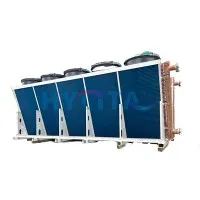
When it comes to optimizing the performance of a heat pump system, selecting the right plate heat exchanger is crucial. As a seasoned plate heat exchanger supplier, I've witnessed firsthand how the correct choice can significantly enhance efficiency, reduce energy consumption, and extend the lifespan of the entire system. In this blog post, I'll share some key considerations and guidelines to help you make an informed decision when selecting a plate heat exchanger for your heat pump system.
Understanding the Basics of Plate Heat Exchangers
Before delving into the selection process, it's essential to have a basic understanding of how plate heat exchangers work. Plate heat exchangers consist of a series of thin, corrugated plates stacked together to create a large surface area for heat transfer. Fluids flow through alternating channels between the plates, allowing heat to be transferred from one fluid to another without direct contact. This design offers several advantages, including high heat transfer efficiency, compact size, and easy maintenance.
There are several types of plate heat exchangers available, each with its own unique features and applications. Some of the most common types include Plate Fin Heat Exchanger, Stainless Steel Plate and Frame, and Fusion Welding Heat Exchanger. The choice of heat exchanger will depend on various factors, such as the specific requirements of your heat pump system, the type of fluids being used, and the operating conditions.
Key Factors to Consider When Selecting a Plate Heat Exchanger
1. Heat Transfer Capacity
The heat transfer capacity of a plate heat exchanger is one of the most important factors to consider. It refers to the amount of heat that can be transferred from one fluid to another within a given time frame. To determine the required heat transfer capacity, you need to know the flow rates, inlet and outlet temperatures, and specific heat capacities of the fluids involved. Our engineering team can assist you in calculating the exact heat transfer requirements based on your system specifications.
2. Pressure Drop
Pressure drop is another critical factor that can affect the performance of a heat pump system. It refers to the loss of pressure that occurs as the fluids flow through the heat exchanger. A high pressure drop can lead to increased energy consumption and reduced system efficiency. When selecting a plate heat exchanger, it's important to choose one with a low pressure drop to minimize energy losses. Our heat exchangers are designed with optimized plate geometries to ensure efficient fluid flow and minimal pressure drop.
3. Material Compatibility
The materials used in the construction of a plate heat exchanger must be compatible with the fluids being used in the heat pump system. Different fluids have different chemical properties, and using incompatible materials can lead to corrosion, fouling, and reduced heat transfer efficiency. We offer a wide range of materials, including stainless steel, titanium, and nickel alloys, to ensure compatibility with various fluids and operating conditions.


4. Operating Temperature and Pressure
The operating temperature and pressure of your heat pump system will also influence the choice of plate heat exchanger. Some heat exchangers are designed to operate at high temperatures and pressures, while others are more suitable for low-temperature and low-pressure applications. It's important to select a heat exchanger that can withstand the specific temperature and pressure conditions of your system to ensure reliable and safe operation.
5. Maintenance and Cleaning
Regular maintenance and cleaning are essential to ensure the long-term performance and reliability of a plate heat exchanger. When selecting a heat exchanger, it's important to choose one that is easy to clean and maintain. Our plate heat exchangers are designed with removable plates, making them easy to access and clean. Additionally, we offer comprehensive maintenance and cleaning services to help you keep your heat exchanger in optimal condition.
Selecting the Right Type of Plate Heat Exchanger
As mentioned earlier, there are several types of plate heat exchangers available, each with its own unique features and applications. Here's a brief overview of some of the most common types and their suitability for heat pump systems:
Plate Fin Heat Exchanger
Plate fin heat exchangers are characterized by their high heat transfer efficiency and compact size. They are ideal for applications where space is limited and high heat transfer rates are required. Plate fin heat exchangers are commonly used in air conditioning, refrigeration, and heat pump systems. Learn more about Plate Fin Heat Exchangers
Stainless Steel Plate and Frame
Stainless steel plate and frame heat exchangers are known for their durability, corrosion resistance, and ease of maintenance. They are suitable for a wide range of applications, including industrial processes, HVAC systems, and heat pump systems. Stainless steel plate and frame heat exchangers are available in various sizes and configurations to meet the specific requirements of your system. Explore our Stainless Steel Plate and Frame Heat Exchangers
Fusion Welding Heat Exchanger
Fusion welding heat exchangers are designed for high-pressure and high-temperature applications. They are constructed by welding the plates together, providing a leak-proof and robust design. Fusion welding heat exchangers are commonly used in power generation, chemical processing, and other industrial applications where reliability and durability are essential. Discover our Fusion Welding Heat Exchangers
Working with a Professional Supplier
Selecting the right plate heat exchanger for your heat pump system can be a complex process. That's why it's important to work with a professional supplier who has the expertise and experience to guide you through the selection process. As a leading plate heat exchanger supplier, we have a team of experienced engineers and technicians who can help you choose the right heat exchanger based on your specific requirements.
We offer a comprehensive range of plate heat exchangers, including custom-designed solutions to meet the unique needs of your heat pump system. Our products are manufactured to the highest quality standards using the latest manufacturing techniques and technologies. We also provide excellent customer service, including installation support, maintenance, and repair services.
Conclusion
Selecting the right plate heat exchanger is essential for optimizing the performance and efficiency of a heat pump system. By considering factors such as heat transfer capacity, pressure drop, material compatibility, operating temperature and pressure, and maintenance requirements, you can choose a heat exchanger that meets the specific needs of your system. Working with a professional supplier like us can help you make an informed decision and ensure the long-term success of your heat pump system.
If you're interested in learning more about our plate heat exchangers or have any questions about selecting the right heat exchanger for your heat pump system, please don't hesitate to contact us. Our team of experts is ready to assist you with your procurement needs and provide you with the best solutions for your application.
References
- Incropera, F. P., & DeWitt, D. P. (2002). Fundamentals of Heat and Mass Transfer. John Wiley & Sons.
- Shah, R. K., & Sekulic, D. P. (2003). Fundamentals of Heat Exchanger Design. John Wiley & Sons.
- ASHRAE Handbook: HVAC Systems and Equipment. American Society of Heating, Refrigerating and Air-Conditioning Engineers.