


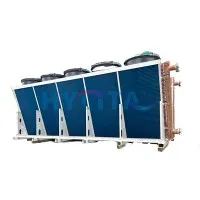
Selecting the appropriate economizer recovery system for a plant is a crucial decision that can significantly impact the plant's efficiency, cost - effectiveness, and environmental footprint. As an economizer recovery system supplier, I understand the complexities involved in this process and am here to guide you through the key considerations.
Understanding the Basics of Economizer Recovery Systems
Economizer recovery systems are designed to capture and reuse waste heat from industrial processes. This waste heat, which would otherwise be lost to the environment, can be harnessed to pre - heat water, generate steam, or provide other forms of useful energy. There are several types of economizer recovery systems available, each with its own set of advantages and limitations.
One of the most common types is the Waste Heat Recovery system. This system is highly versatile and can be used in a wide range of industries, including power generation, manufacturing, and chemical processing. Waste heat recovery systems work by transferring heat from hot exhaust gases or other waste streams to a working fluid, such as water or air. The heated working fluid can then be used for various purposes, such as pre - heating feedwater in a boiler or providing space heating.
Another type is the Exhaust Gas Heat Exchanger. These heat exchangers are specifically designed to recover heat from exhaust gases. They are often used in applications where the exhaust gases are at a relatively high temperature and contain a significant amount of heat energy. Exhaust gas heat exchangers can be either shell - and - tube or plate - type, depending on the specific requirements of the application.
The SS Economiser Heat Exchanger is also a popular choice. Made of stainless steel, these heat exchangers are highly resistant to corrosion and can withstand harsh operating conditions. They are commonly used in applications where the working fluid or the exhaust gases contain corrosive substances.
Key Factors in Selecting an Economizer Recovery System
1. Heat Source Characteristics
The first step in selecting an economizer recovery system is to understand the characteristics of the heat source. This includes the temperature, flow rate, and composition of the waste heat stream. For example, if the exhaust gases are at a very high temperature, a system that can handle high - temperature operation, such as an exhaust gas heat exchanger, may be required. On the other hand, if the waste heat stream contains corrosive substances, a stainless - steel economizer heat exchanger would be a better choice.
The flow rate of the waste heat stream is also important. A system with a high - flow capacity may be needed if the waste heat stream has a large volume. Additionally, the composition of the waste heat stream can affect the choice of materials for the economizer recovery system. For instance, if the exhaust gases contain sulfur compounds, a material that is resistant to sulfur corrosion should be selected.
2. Energy Requirements of the Plant
The energy requirements of the plant play a significant role in determining the appropriate economizer recovery system. Consider the types of energy needs, such as steam generation, water pre - heating, or space heating. If the plant requires a large amount of steam, a waste heat recovery system that can efficiently generate steam may be the best option.
It is also important to consider the load profile of the plant. If the energy demand varies significantly throughout the day or over different seasons, a system that can adapt to these variations is necessary. Some economizer recovery systems can be designed with variable - capacity operation to meet changing energy demands.
3. Space and Installation Constraints
The available space in the plant for installing the economizer recovery system is an important consideration. Some systems, such as large - scale waste heat recovery units, may require a significant amount of floor space. In contrast, compact heat exchangers may be more suitable for plants with limited space.
Installation constraints, such as access to the heat source and the connection to the existing infrastructure, also need to be taken into account. For example, if the waste heat source is located in a remote area of the plant, a system that can be easily transported and installed in that location may be preferred.
4. Cost - Benefit Analysis
Cost is always a major factor in any decision - making process. When selecting an economizer recovery system, it is essential to conduct a comprehensive cost - benefit analysis. This includes considering the initial purchase cost, installation cost, operating cost, and maintenance cost of the system.
The initial purchase cost of the system can vary widely depending on its type, size, and features. However, it is important to look beyond the upfront cost and consider the long - term savings in energy costs. A more expensive system that has a higher efficiency and lower operating costs may provide a better return on investment over time.
Maintenance costs are also an important consideration. Some systems may require more frequent maintenance or have higher maintenance costs due to the complexity of their design or the use of specialized materials.
5. Environmental and Regulatory Requirements
In today's environmentally conscious world, environmental and regulatory requirements cannot be ignored. Many regions have strict regulations regarding air emissions and energy efficiency. An economizer recovery system can help a plant meet these requirements by reducing energy consumption and greenhouse gas emissions.


When selecting a system, ensure that it complies with all relevant environmental and regulatory standards. Some systems may come with additional features, such as pollution control devices, to help the plant meet these requirements more effectively.
Case Studies
To illustrate the importance of selecting the right economizer recovery system, let's look at a few case studies.
Case Study 1: A Power Generation Plant
A power generation plant was looking to improve its energy efficiency by recovering waste heat from its exhaust gases. After a detailed analysis of the heat source characteristics, energy requirements, and space constraints, a high - temperature exhaust gas heat exchanger was selected. This system was able to recover a significant amount of heat from the exhaust gases and use it to pre - heat the feedwater in the boiler. As a result, the plant was able to reduce its fuel consumption and lower its operating costs.
Case Study 2: A Chemical Processing Plant
A chemical processing plant had a waste heat stream that contained corrosive substances. To address this issue, a stainless - steel economizer heat exchanger was installed. This system was able to withstand the corrosive environment and recover heat from the waste heat stream. The recovered heat was used for water pre - heating, which improved the overall energy efficiency of the plant.
Conclusion
Selecting the appropriate economizer recovery system for a plant is a complex but rewarding process. By carefully considering the heat source characteristics, energy requirements, space and installation constraints, cost - benefit analysis, and environmental and regulatory requirements, a plant can choose a system that maximizes energy efficiency, reduces operating costs, and meets environmental standards.
As an economizer recovery system supplier, we have the expertise and experience to help you make the right choice. Our team of experts can conduct a detailed assessment of your plant's needs and recommend the most suitable economizer recovery system. If you are interested in learning more about our products and services or would like to discuss your specific requirements, we encourage you to contact us for a procurement consultation. We look forward to working with you to improve the energy efficiency of your plant.
References
- Smith, J. (2018). Industrial Heat Recovery Systems. Elsevier.
- Jones, A. (2020). Waste Heat Recovery Technologies for Energy Efficiency. CRC Press.
- Brown, R. (2019). Heat Exchanger Design Handbook. McGraw - Hill.