


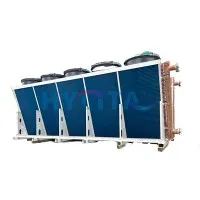
In the world of thermal management, radiators play a crucial role in dissipating heat and maintaining optimal operating temperatures for various systems. Among the different types of radiators available in the market, finned tube radiators stand out as a highly efficient and versatile solution. As a leading finned tube radiator supplier, I have witnessed firsthand the numerous advantages that these radiators offer compared to other types. In this blog post, I will delve into the key benefits of finned tube radiators and explain why they are the preferred choice for many industries.
Enhanced Heat Transfer Efficiency
One of the primary advantages of finned tube radiators is their superior heat transfer efficiency. The fins on the tubes significantly increase the surface area available for heat exchange, allowing for more effective dissipation of heat. This increased surface area enables the radiator to transfer heat more rapidly and efficiently, resulting in better overall performance.
Compared to other radiators, such as bare tube radiators, finned tube radiators can achieve higher heat transfer rates with a smaller footprint. This means that they can provide the same level of cooling or heating with a more compact design, making them ideal for applications where space is limited.


For example, in industrial settings where large amounts of heat need to be dissipated, finned tube radiators can be installed in a smaller area, saving valuable floor space. Similarly, in automotive applications, finned tube radiators can be designed to fit into tight engine compartments while still providing efficient cooling.
Improved Energy Efficiency
In addition to enhanced heat transfer efficiency, finned tube radiators also offer improved energy efficiency. By transferring heat more effectively, these radiators require less energy to achieve the desired temperature control. This results in lower energy consumption and reduced operating costs over the long term.
For instance, in a heating system, a finned tube radiator can heat a room more quickly and maintain a consistent temperature with less energy input compared to other types of radiators. This not only saves on energy bills but also reduces the environmental impact associated with energy consumption.
Moreover, finned tube radiators can be designed to work in conjunction with other energy-saving technologies, such as variable speed fans or smart controls. These technologies can further optimize the performance of the radiator and reduce energy waste.
Versatility and Adaptability
Finned tube radiators are highly versatile and can be customized to meet the specific requirements of different applications. They can be manufactured in a variety of sizes, shapes, and materials to suit a wide range of operating conditions and environments.
For example, in corrosive environments, finned tube radiators can be made from materials such as stainless steel or aluminum that are resistant to corrosion. In high-temperature applications, they can be designed with special fins and coatings to withstand extreme temperatures.
Furthermore, finned tube radiators can be used for both heating and cooling purposes. They can be integrated into HVAC systems, industrial processes, and even electronic devices to provide efficient thermal management.
This versatility makes finned tube radiators a popular choice for a diverse range of industries, including automotive, aerospace, power generation, and manufacturing.
Durability and Longevity
Another advantage of finned tube radiators is their durability and longevity. The fins on the tubes are typically made from materials that are strong and resistant to wear and tear. This ensures that the radiator can withstand harsh operating conditions and maintain its performance over an extended period of time.
In addition, finned tube radiators are designed to be easy to maintain. The fins can be cleaned regularly to remove dirt and debris, which helps to prevent clogging and maintain optimal heat transfer efficiency.
Compared to other types of radiators, such as plate fin radiators, finned tube radiators are less prone to damage from vibration and mechanical stress. This makes them a reliable choice for applications where reliability is critical, such as in automotive engines or industrial machinery.
Cost-Effectiveness
Despite their many advantages, finned tube radiators are also cost-effective. They offer a high level of performance at a relatively low cost, making them a popular choice for both large-scale industrial applications and small-scale residential projects.
The initial cost of a finned tube radiator may be slightly higher than that of some other types of radiators. However, the long-term savings in energy consumption and maintenance costs more than offset the initial investment.
Moreover, the durability and longevity of finned tube radiators mean that they require less frequent replacement, further reducing the overall cost of ownership.
Applications of Finned Tube Radiators
Finned tube radiators are used in a wide range of applications across various industries. Some of the common applications include:
- Automotive Industry: Finned tube radiators are used in automotive engines to cool the engine coolant and maintain optimal operating temperatures. They are also used in air conditioning systems to cool the refrigerant.
- Aerospace Industry: In the aerospace industry, finned tube radiators are used in aircraft engines, avionics systems, and environmental control systems to dissipate heat and maintain the proper functioning of critical components.
- Power Generation Industry: Finned tube radiators are used in power plants to cool the steam condensers, generators, and other equipment. They are also used in renewable energy systems, such as solar thermal power plants, to transfer heat from the solar collectors to the working fluid.
- Industrial Manufacturing: In industrial manufacturing processes, finned tube radiators are used to cool machinery, equipment, and processes. They are also used in chemical plants, refineries, and food processing facilities to control the temperature of various fluids and gases.
- Residential and Commercial Buildings: Finned tube radiators are used in residential and commercial buildings for heating and cooling purposes. They can be installed in radiators, baseboard heaters, and fan coil units to provide efficient thermal comfort.
Conclusion
In conclusion, finned tube radiators offer numerous advantages compared to other types of radiators. Their enhanced heat transfer efficiency, improved energy efficiency, versatility, durability, and cost-effectiveness make them a popular choice for a wide range of applications across various industries.
As a finned tube radiator supplier, we are committed to providing high-quality products that meet the specific requirements of our customers. Whether you need a radiator for an automotive engine, an industrial process, or a residential building, we have the expertise and experience to design and manufacture the right solution for you.
If you are interested in learning more about our finned tube radiators or would like to discuss your specific requirements, please do not hesitate to [contact us]. We look forward to the opportunity to work with you and help you find the best thermal management solution for your needs.
References
- Incropera, F. P., & DeWitt, D. P. (2002). Fundamentals of Heat and Mass Transfer. John Wiley & Sons.
- Holman, J. P. (2010). Heat Transfer. McGraw-Hill.
- Kakac, S., & Liu, H. (2002). Heat Exchangers: Selection, Rating, and Thermal Design. CRC Press.