


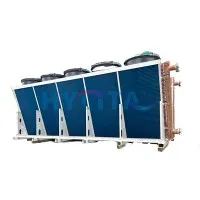
In today's world, where energy efficiency and sustainability are at the forefront of industrial and commercial operations, heat recovery systems have emerged as a game - changer. As a leading supplier of heat recovery systems, I've witnessed firsthand the transformative impact these systems can have on businesses. In this blog, I'll delve into the numerous benefits of heat recovery systems and why they are a worthy investment for any organization.
Energy Efficiency and Cost Savings
One of the most significant advantages of a heat recovery system is its ability to improve energy efficiency. Industrial processes often generate a substantial amount of waste heat, which is typically released into the environment. A heat recovery system captures this waste heat and repurposes it for other applications, such as pre - heating water, space heating, or powering other equipment.
By reusing waste heat, companies can significantly reduce their reliance on primary energy sources, such as natural gas, coal, or electricity. This not only leads to lower energy consumption but also translates into substantial cost savings. For example, in a large manufacturing facility, a well - designed heat recovery system can reduce energy costs by up to 30%. Over time, these savings can add up to a significant amount, improving the company's bottom line and making it more competitive in the market.
Environmental Sustainability
In addition to cost savings, heat recovery systems play a crucial role in promoting environmental sustainability. As mentioned earlier, waste heat is a by - product of many industrial processes. When this heat is released into the environment, it contributes to global warming and climate change. By capturing and reusing waste heat, heat recovery systems reduce greenhouse gas emissions and help companies meet their environmental targets.
For instance, a heat recovery system in a power plant can capture the waste heat from the exhaust gases and use it to generate additional electricity. This reduces the need for burning more fossil fuels, which in turn reduces carbon dioxide emissions. In a world where governments and consumers are increasingly demanding more sustainable business practices, investing in a heat recovery system is a smart move for any company looking to enhance its environmental credentials.
Improved Process Performance
Heat recovery systems can also enhance the performance of industrial processes. In many manufacturing operations, maintaining a consistent temperature is crucial for product quality and production efficiency. A heat recovery system can provide a stable source of heat, which can be used to control the temperature of various processes.
For example, in a chemical manufacturing plant, a heat recovery system can capture the heat from the reaction vessels and use it to pre - heat the raw materials. This not only reduces the energy required for the reaction but also improves the reaction rate and product yield. Similarly, in a food processing plant, a heat recovery system can be used to maintain the temperature of the cooking and sterilization processes, ensuring consistent product quality.
Extended Equipment Lifespan
Another benefit of heat recovery systems is that they can extend the lifespan of industrial equipment. When equipment operates at high temperatures, it is subject to greater wear and tear, which can lead to premature failure. By using a heat recovery system to remove excess heat from the equipment, the operating temperature can be reduced, thereby reducing the stress on the equipment.
For example, in a compressor system, a heat recovery system can capture the heat generated by the compressor and use it for other purposes. This reduces the temperature of the compressor, which in turn reduces the risk of overheating and extends the lifespan of the compressor. By reducing equipment downtime and maintenance costs, a heat recovery system can further contribute to cost savings for the company.
Versatility and Adaptability
Heat recovery systems are highly versatile and can be adapted to a wide range of industrial and commercial applications. Whether it's a small - scale manufacturing facility or a large - scale power plant, there is a heat recovery system that can meet the specific needs of the operation.
There are different types of heat recovery systems available, such as Air - cooled Chiller Cooler, Oil Water Heat Exchanger, and Copper Air Cooler Evaporator. These systems can be customized based on the heat source, the required heat output, and the specific application. For example, an air - cooled chiller cooler can be used in applications where water is scarce, while an oil water heat exchanger is suitable for applications where heat transfer between oil and water is required.
Reduced Dependence on External Energy Sources
In an era of volatile energy prices and potential energy shortages, reducing dependence on external energy sources is a top priority for many companies. A heat recovery system allows companies to generate their own heat and energy from waste heat, reducing their reliance on the grid or other external energy suppliers.
This not only provides energy security but also protects companies from fluctuations in energy prices. For example, if the price of natural gas increases, a company with a heat recovery system can continue to operate without being significantly affected by the price hike. This gives the company more control over its energy costs and operations.
Enhanced Productivity
Heat recovery systems can also lead to enhanced productivity in industrial settings. By providing a reliable source of heat, these systems can reduce the time required for processes that rely on heating. For example, in a textile manufacturing plant, a heat recovery system can pre - heat the water used in the dyeing process. This reduces the time it takes to heat the water to the required temperature, allowing for more dyeing cycles to be completed in a given time period.
Moreover, a stable heat supply can also reduce the number of production interruptions due to temperature fluctuations. This leads to a more consistent production flow and higher overall productivity.


Conclusion
In conclusion, the benefits of a heat recovery system are numerous and far - reaching. From energy efficiency and cost savings to environmental sustainability and improved process performance, these systems offer a comprehensive solution for businesses looking to optimize their operations.
As a supplier of heat recovery systems, I am committed to providing high - quality, customized solutions that meet the specific needs of each client. Whether you are a small business looking to reduce your energy costs or a large corporation aiming to enhance your environmental sustainability, a heat recovery system is a valuable investment.
If you are interested in learning more about our heat recovery systems or would like to discuss a potential project, I encourage you to reach out for a procurement discussion. Our team of experts is ready to assist you in finding the best heat recovery solution for your business.
References
- DOE. (2023). Energy Efficiency and Renewable Energy. U.S. Department of Energy.
- EPA. (2023). Greenhouse Gas Emissions. U.S. Environmental Protection Agency.
- ASHRAE. (2022). Handbook of HVAC Systems and Equipment. American Society of Heating, Refrigerating and Air - Conditioning Engineers.