


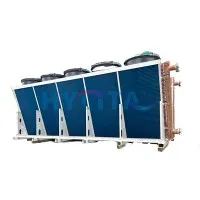
When a condenser coil interacts with other components within a system, several common problems can arise. As a condenser coil supplier, I have witnessed firsthand the challenges that can occur during these interactions. Understanding these issues is crucial for ensuring the efficient and reliable operation of the overall system.
Compatibility Issues
One of the most prevalent problems is compatibility between the condenser coil and other components. Different components in a system are designed with specific specifications, and if the condenser coil is not properly matched, it can lead to performance issues. For example, the capacity of the condenser coil needs to be in sync with the compressor. If the coil is too small for the compressor's output, it will struggle to dissipate the heat effectively, causing the compressor to work harder and potentially overheat. This can significantly reduce the lifespan of the compressor and increase energy consumption.
On the other hand, an oversized condenser coil may not operate at its optimal efficiency. It can lead to short - cycling of the compressor, where the compressor turns on and off frequently. Short - cycling not only wastes energy but also puts additional stress on the compressor and other components, leading to premature wear and tear.
Fouling and Contamination
Fouling is another common problem when the condenser coil interacts with other components. Airborne dust, dirt, and debris can accumulate on the surface of the condenser coil over time. This layer of fouling acts as an insulator, reducing the efficiency of heat transfer. When the coil is unable to transfer heat effectively, the system has to work harder to achieve the desired cooling or heating effect.
In addition to external contaminants, internal contamination can also occur. For example, in a refrigeration system, oil carry - over from the compressor can coat the inner surface of the condenser coil. This oil film can impede the flow of refrigerant and reduce the heat transfer coefficient. Moreover, if there are impurities in the refrigerant, such as moisture or non - condensable gases, they can cause corrosion and blockages within the coil and other components of the system.
Pressure and Flow Imbalances
Proper pressure and flow rates are essential for the efficient operation of a system with a condenser coil. Pressure imbalances can occur when there are restrictions in the refrigerant lines or when the expansion valve is not functioning correctly. If the pressure in the condenser coil is too high, it can lead to increased stress on the coil and other components, potentially causing leaks or even component failure.
Flow imbalances can also cause problems. For instance, uneven refrigerant distribution within the condenser coil can result in some parts of the coil being over - cooled while others are under - cooled. This not only reduces the overall efficiency of the coil but also can lead to inconsistent performance of the entire system.
Vibration and Noise
Vibration and noise are often overlooked problems when considering the interaction between the condenser coil and other components. Vibrations can be caused by the operation of the compressor, fans, or other moving parts in the system. If these vibrations are not properly isolated, they can be transmitted to the condenser coil. Over time, excessive vibration can cause mechanical damage to the coil, such as loose connections, cracked tubes, or damaged fins.
Noise is also a significant issue, especially in applications where quiet operation is required, such as in data centers or residential areas. Noise can be generated by the airflow over the condenser coil, the operation of the fans, or the interaction between the coil and other components. Excessive noise can not only be a nuisance but also indicate underlying problems in the system, such as improper installation or component malfunction.
Impact on Different Applications
Marine Applications
In Marine Condenser Unit applications, the condenser coil is exposed to a harsh environment. Saltwater corrosion is a major concern. The interaction between the condenser coil and other components in a marine system is further complicated by the need to withstand the corrosive effects of saltwater. If the coil is not made of corrosion - resistant materials or if the protective coatings are damaged, it can lead to rapid degradation of the coil.
Moreover, the vibration from the ship's engines can be transmitted to the condenser coil, causing the problems mentioned above. The high humidity and salt - laden air can also contribute to fouling and contamination of the coil, reducing its efficiency and potentially leading to system failures.
Industrial Applications
In Industrial Condenser Unit settings, the condenser coil often has to handle large volumes of heat and operate under high - pressure conditions. Industrial processes can generate a significant amount of dust, chemicals, and other contaminants, which can quickly foul the condenser coil. The interaction with other industrial components, such as large - scale compressors and pumps, requires careful design and installation to ensure proper pressure and flow control.
Industrial applications also demand high reliability and long - term performance. Any problems with the condenser coil can lead to costly downtime and production losses. Therefore, regular maintenance and monitoring are crucial to prevent and address the issues that can occur during the interaction between the condenser coil and other industrial components.
Data Center Cooling
For Condenser and Coil for Data Center Cooling, the reliability and efficiency of the condenser coil are of utmost importance. Data centers generate a large amount of heat, and the cooling system must be able to maintain a stable temperature environment. Any problems with the condenser coil, such as fouling or pressure imbalances, can lead to overheating of the servers, which can cause data loss or system failures.
In addition, data centers often require quiet operation. Vibration and noise issues from the condenser coil can be a significant problem, as they can interfere with the operation of sensitive electronic equipment and cause discomfort to the staff.
Solutions and Preventive Measures
To address these common problems, several solutions and preventive measures can be taken. Firstly, proper system design is essential. This includes carefully selecting the right size and type of condenser coil based on the specific requirements of the application and ensuring compatibility with other components.
Regular maintenance is also crucial. This includes cleaning the condenser coil to remove fouling and contaminants, checking for leaks, and inspecting the connections and components for any signs of damage. In addition, proper refrigerant management, such as regular refrigerant analysis and replacement, can help prevent internal contamination.
Vibration isolation and noise reduction techniques should be employed during the installation of the system. This can include using vibration - dampening mounts, acoustic insulation, and proper fan and compressor selection to minimize noise and vibration.
Conclusion
In conclusion, the interaction between the condenser coil and other components in a system can lead to several common problems, including compatibility issues, fouling, pressure and flow imbalances, vibration, and noise. These problems can have a significant impact on the performance, reliability, and lifespan of the system. As a condenser coil supplier, I understand the importance of addressing these issues through proper system design, regular maintenance, and the use of appropriate preventive measures.


If you are facing any problems with your condenser coil or are looking for high - quality condenser coils for your application, we are here to help. Our team of experts can provide you with customized solutions and professional advice to ensure the efficient and reliable operation of your system. Contact us today to start a discussion about your specific needs and requirements.
References
- ASHRAE Handbook of Refrigeration.
- "Fundamentals of Heat and Mass Transfer" by Frank P. Incropera and David P. DeWitt.
- Industry reports on condenser coil performance and maintenance.