


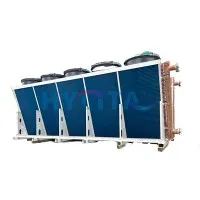
As a seasoned supplier in the field of economizer recovery, I've witnessed firsthand the transformative power of this technology in various industries. Economizer recovery is not just a buzzword; it's a crucial process that can significantly enhance energy efficiency and reduce operational costs. In this blog, I'll delve into the principle of economizer recovery, its benefits, and how it can revolutionize your business.
Understanding the Principle of Economizer Recovery
At its core, economizer recovery is a process that captures and reuses waste heat from industrial processes, exhaust gases, or other sources. This waste heat, which would otherwise be lost to the environment, is harnessed and used to preheat incoming fluids or air, thereby reducing the energy required to heat them to the desired temperature. The primary principle behind economizer recovery is based on the laws of thermodynamics, specifically the transfer of heat from a higher temperature source to a lower temperature sink.
Let's take a closer look at how this process works. In a typical industrial setting, a large amount of heat is generated during various manufacturing processes. This heat is often carried away by exhaust gases or other waste streams. An economizer is installed in the path of these waste streams to extract the heat. The economizer consists of a heat exchanger, which is designed to transfer heat from the hot waste stream to a cooler fluid, such as water or air.
The heat exchanger in an economizer is typically made up of a series of tubes or plates that are arranged in such a way that the hot waste stream and the cooler fluid flow in opposite directions. This counterflow arrangement maximizes the temperature difference between the two fluids, allowing for efficient heat transfer. As the hot waste stream passes over the tubes or plates, it transfers its heat to the cooler fluid, which is then used for other purposes, such as preheating boiler feedwater or providing heated air for a drying process.
Types of Economizers
There are several types of economizers available, each designed to suit specific applications and operating conditions. Some of the most common types include:
- Water-Tube Economizers: These economizers are used in boilers and other industrial processes to preheat the feedwater before it enters the boiler. The water flows through a series of tubes, while the hot exhaust gases flow over the outside of the tubes, transferring heat to the water. Read more about Waste Heat Recovery here.
- Air-Tube Economizers: These economizers are used to preheat the combustion air in furnaces and other heating systems. The air flows through a series of tubes, while the hot exhaust gases flow over the outside of the tubes, transferring heat to the air. Learn more about Exhaust Gas Heat Exchanger.
- SS Economiser Heat Exchangers: These economizers are made of stainless steel and are designed for applications where corrosion resistance is required. They are commonly used in industries such as food processing, pharmaceuticals, and chemical manufacturing. Discover more about SS Economiser Heat Exchanger.
Benefits of Economizer Recovery
The benefits of economizer recovery are numerous and can have a significant impact on your business. Some of the key benefits include:
- Energy Savings: By capturing and reusing waste heat, economizer recovery can significantly reduce the energy required to heat fluids or air, resulting in lower energy consumption and cost savings.
- Environmental Sustainability: Economizer recovery helps to reduce greenhouse gas emissions by minimizing the amount of fossil fuels burned to generate heat. This makes it an environmentally friendly solution that can help your business meet its sustainability goals.
- Improved Process Efficiency: Preheating fluids or air using waste heat can improve the efficiency of industrial processes, resulting in increased productivity and reduced downtime.
- Extended Equipment Lifespan: By reducing the energy load on heating equipment, economizer recovery can help to extend the lifespan of boilers, furnaces, and other heat-generating equipment, reducing maintenance and replacement costs.
Applications of Economizer Recovery
Economizer recovery can be applied in a wide range of industries and processes, including:


- Power Generation: Economizers are commonly used in power plants to preheat the boiler feedwater, reducing the energy required to generate steam and increasing the overall efficiency of the power generation process.
- Manufacturing: In manufacturing industries, economizers can be used to preheat air or water for various processes, such as drying, heating, and cooling. This can help to reduce energy consumption and improve process efficiency.
- Food and Beverage Processing: Economizers are used in the food and beverage industry to preheat water for cleaning, sanitizing, and cooking processes. This can help to reduce energy costs and improve the quality of the final product.
- Chemical Manufacturing: In the chemical industry, economizers can be used to preheat reactants and solvents, reducing the energy required for chemical reactions and improving the efficiency of the manufacturing process.
How to Implement Economizer Recovery
Implementing economizer recovery in your business requires careful planning and consideration. Here are some steps to help you get started:
- Conduct an Energy Audit: The first step is to conduct an energy audit of your facility to identify potential sources of waste heat and opportunities for economizer recovery. This will help you to determine the most suitable type of economizer for your application and estimate the potential energy savings.
- Select the Right Economizer: Based on the results of the energy audit, select the right type of economizer for your application. Consider factors such as the type of waste heat source, the temperature and flow rate of the waste heat, and the type of fluid or air to be preheated.
- Install and Commission the Economizer: Once you have selected the economizer, it's time to install and commission it. Make sure to work with a qualified installer who has experience in economizer installation and commissioning to ensure that the system is installed correctly and operates efficiently.
- Monitor and Maintain the Economizer: Regular monitoring and maintenance of the economizer are essential to ensure that it continues to operate efficiently and effectively. This includes checking the temperature and flow rate of the waste heat and the preheated fluid or air, inspecting the heat exchanger for fouling or damage, and performing any necessary repairs or maintenance.
Conclusion
Economizer recovery is a powerful technology that can help your business save energy, reduce costs, and improve environmental sustainability. By capturing and reusing waste heat, economizers can significantly enhance the efficiency of industrial processes and extend the lifespan of heating equipment. If you're interested in learning more about economizer recovery and how it can benefit your business, I encourage you to contact us to discuss your specific needs and requirements. Our team of experts will be happy to provide you with more information and help you find the right solution for your application.
References
- Smith, J. (2020). Energy Efficiency in Industrial Processes. Wiley.
- Brown, R. (2019). Waste Heat Recovery Technologies and Applications. Elsevier.
- DOE. (2021). Energy Efficiency and Renewable Energy. US Department of Energy.