


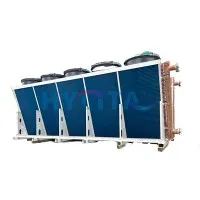
When it comes to designing a heat energy recovery ventilation (HERV) system, there are numerous factors that need to be taken into account. As a Heat Energy Recovery supplier, I understand the importance of a well - designed HERV system in terms of energy efficiency, indoor air quality, and cost - effectiveness. In this blog, I will delve into the key design considerations for a heat energy recovery ventilation system.
Energy Efficiency
One of the primary goals of a HERV system is to recover heat from the exhaust air and transfer it to the incoming fresh air. This significantly reduces the energy required to heat the incoming air, leading to lower energy bills and a smaller carbon footprint.
Heat Exchanger Selection
The heat exchanger is the heart of the HERV system. There are different types of heat exchangers available, such as plate heat exchangers, rotary heat exchangers, and tube - and - shell heat exchangers. Plate heat exchangers are popular due to their high efficiency, compact size, and low cost. They work by allowing the exhaust and incoming air to flow through separate channels in a plate stack, transferring heat through the plates. Rotary heat exchangers, on the other hand, use a rotating wheel to transfer heat between the exhaust and incoming air. They can achieve high heat recovery rates but may be more expensive and require more maintenance. Tube - and - shell heat exchangers are often used in larger industrial applications. As a supplier, we offer Economiser Heat Exchanger that are designed to maximize heat transfer efficiency while minimizing pressure drop.
Insulation
Proper insulation of the ductwork and the heat exchanger is crucial for maintaining high energy efficiency. Insulation reduces heat loss to the surrounding environment, ensuring that more of the recovered heat is used to warm the incoming air. We recommend using high - quality insulation materials with a low thermal conductivity, such as fiberglass or foam insulation.
System Sizing
Accurately sizing the HERV system is essential for optimal energy efficiency. An undersized system will not be able to recover enough heat, while an oversized system will consume more energy than necessary. Factors such as the size of the building, the number of occupants, and the ventilation requirements need to be considered when sizing the system. Our team of experts can help you determine the right size of the HERV system for your specific needs.
Indoor Air Quality
In addition to energy efficiency, a HERV system also plays a vital role in maintaining good indoor air quality. By continuously supplying fresh air and removing stale air, the system helps to reduce the concentration of pollutants, such as carbon dioxide, volatile organic compounds (VOCs), and particulate matter.
Filtration
The HERV system should be equipped with effective air filters to remove dust, pollen, and other airborne particles from the incoming air. Different types of filters are available, with varying levels of filtration efficiency. High - efficiency particulate air (HEPA) filters can remove up to 99.97% of particles as small as 0.3 microns, providing the highest level of filtration. However, they may also cause a higher pressure drop, which can affect the system's performance. We offer a range of filters to suit different applications and requirements.
Ventilation Rate
The ventilation rate is the amount of fresh air that is supplied to the building per unit of time. It is important to ensure that the ventilation rate meets the requirements of the building occupants. Factors such as the type of building (residential, commercial, or industrial), the number of occupants, and the activities taking place in the building need to be considered when determining the ventilation rate. A well - designed HERV system can provide a consistent and adequate supply of fresh air while maintaining energy efficiency.
Humidity Control
Maintaining the right humidity level in the building is also important for indoor air quality and comfort. A HERV system can help to control humidity by removing excess moisture from the exhaust air and adding moisture to the incoming air if necessary. Some HERV systems are equipped with humidity sensors and controls to automatically adjust the humidity level.
Cost - Effectiveness
Designing a cost - effective HERV system involves considering both the initial investment and the long - term operating costs.
Initial Investment
The initial cost of a HERV system includes the cost of the equipment, installation, and commissioning. When selecting a HERV system, it is important to compare the prices and features of different systems. While a more expensive system may offer higher energy efficiency and better performance, it may not always be the most cost - effective option in the long run. Our Heat Energy Recovery solutions are designed to provide a good balance between cost and performance.
Operating Costs
The operating costs of a HERV system include the cost of electricity, maintenance, and filter replacement. Energy - efficient systems will consume less electricity, resulting in lower operating costs. Regular maintenance, such as cleaning the heat exchanger and replacing the filters, is also important to ensure the system's optimal performance and longevity. We offer maintenance services to help you keep your HERV system running smoothly and cost - effectively.
Return on Investment (ROI)
Calculating the ROI of a HERV system can help you determine whether the investment is worthwhile. The ROI takes into account the initial investment, the energy savings, and the reduction in maintenance costs over the system's lifespan. In general, a well - designed HERV system can provide a significant ROI over time, especially in buildings with high energy consumption.
System Integration and Compatibility
A HERV system needs to be integrated with the existing heating, ventilation, and air conditioning (HVAC) system in the building. It is important to ensure that the HERV system is compatible with the other components of the HVAC system, such as the heating and cooling equipment, the ductwork, and the controls.
Ductwork Design
The ductwork design is crucial for the proper functioning of the HERV system. The ducts should be sized and installed correctly to ensure a balanced airflow and minimize pressure drop. The layout of the ductwork should also be designed to avoid any obstructions or bends that could affect the system's performance. Our team can provide professional ductwork design services to ensure the seamless integration of the HERV system with your HVAC system.
Controls and Monitoring
The HERV system should be equipped with advanced controls and monitoring systems to optimize its performance. These systems can automatically adjust the ventilation rate, the heat recovery efficiency, and the humidity level based on the indoor and outdoor conditions. Remote monitoring capabilities can also allow you to monitor the system's performance and receive alerts in case of any issues.
Material Selection
The materials used in the construction of the HERV system can have a significant impact on its performance, durability, and cost.
Heat Exchanger Materials
The heat exchanger materials need to have good thermal conductivity, corrosion resistance, and mechanical strength. Common materials used for heat exchangers include aluminum, copper, and stainless steel. Aluminum is lightweight and has good thermal conductivity, but it may be more susceptible to corrosion. Copper has excellent thermal conductivity but is more expensive. Stainless steel is corrosion - resistant and has good mechanical strength, making it a popular choice for applications where durability is important. We offer Carbon Steel Economiser that are made from high - quality materials to ensure long - term performance.
Ductwork Materials
The ductwork materials should be selected based on their durability, insulation properties, and cost. Common materials used for ductwork include galvanized steel, aluminum, and fiberglass. Galvanized steel is strong and durable, but it may require insulation to reduce heat loss. Aluminum is lightweight and corrosion - resistant, but it may be more expensive. Fiberglass ducts are lightweight and have good insulation properties, but they may be more prone to damage.
Conclusion
Designing a heat energy recovery ventilation system requires careful consideration of various factors, including energy efficiency, indoor air quality, cost - effectiveness, system integration, and material selection. As a Heat Energy Recovery supplier, we have the expertise and experience to help you design and install a HERV system that meets your specific needs and requirements. If you are interested in learning more about our heat energy recovery solutions or would like to discuss a potential project, please feel free to contact us for a consultation. We look forward to working with you to create a more energy - efficient and comfortable indoor environment.


References
ASHRAE Handbook - HVAC Systems and Equipment. American Society of Heating, Refrigerating and Air - Conditioning Engineers (ASHRAE).
Building Ventilation Design Guide. National Institute of Building Sciences.
Energy Star. Energy - Efficient Ventilation Systems. U.S. Environmental Protection Agency.