


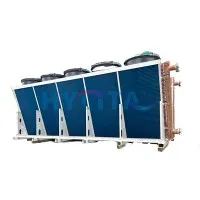
When it comes to running an efficient and cost - effective industrial operation, heat energy recovery systems play a crucial role. As a supplier of Heat Energy Recovery solutions, I've seen firsthand how these systems can transform a business's bottom line while also reducing its environmental footprint. So, what are the standards for heat energy recovery systems? Let's dive in.
Efficiency
Efficiency is perhaps the most important standard for any heat energy recovery system. In simple terms, efficiency measures how well a system can capture and reuse heat that would otherwise be wasted. A high - efficiency system can recover a large percentage of the heat from exhaust gases, steam, or other waste heat sources.
For example, our Heat Energy Recovery Heat Energy Recovery solutions are designed to maximize efficiency. We use advanced heat exchanger technologies that can transfer heat quickly and effectively. This means that more of the waste heat is captured and used to pre - heat incoming fluids, such as water or air, which in turn reduces the amount of energy needed to heat them to the desired temperature.
To measure the efficiency of a heat energy recovery system, we often look at the heat transfer coefficient. A higher heat transfer coefficient indicates that the system can transfer heat more rapidly, which is a sign of good efficiency. Additionally, we consider the temperature difference between the waste heat source and the fluid being heated. A larger temperature difference generally allows for more efficient heat transfer.
Durability
Another key standard is durability. Industrial environments can be harsh, with high temperatures, corrosive chemicals, and mechanical stress. A heat energy recovery system needs to be able to withstand these conditions over a long period of time.
Our Carbon Steel Economiser Carbon Steel Economiser is a great example of a durable heat energy recovery component. Carbon steel is known for its strength and resistance to wear and tear. It can handle high - pressure and high - temperature applications without degrading quickly. We also use special coatings and treatments to protect the carbon steel from corrosion, which extends the lifespan of the economiser.
When evaluating the durability of a heat energy recovery system, we consider factors such as the material quality, the thickness of the components, and the design of the system. A well - designed system will have proper support structures and expansion joints to accommodate thermal expansion and contraction, which helps prevent damage over time.
Safety
Safety is non - negotiable when it comes to heat energy recovery systems. These systems deal with high - temperature and high - pressure fluids, so there is a risk of burns, explosions, and other hazards if they are not designed and installed correctly.
We follow strict safety standards in the design and manufacturing of our heat energy recovery systems. For example, all of our systems are equipped with safety valves and pressure relief devices to prevent over - pressurization. We also use high - quality insulation materials to reduce the risk of heat transfer to the surrounding environment, which can cause burns or start fires.
In addition to the physical safety features, we also ensure that our systems are easy to maintain and inspect. Regular maintenance is essential for identifying and fixing potential safety issues before they become serious problems.
Environmental Impact
In today's world, the environmental impact of industrial operations is a major concern. Heat energy recovery systems can significantly reduce a company's carbon footprint by reducing the amount of fossil fuels needed for heating.
Our Heat Exhaust Recovery Heat Exhaust Recovery solutions are designed to capture and reuse heat from exhaust gases, which would otherwise be released into the atmosphere. By reusing this heat, we can reduce the amount of greenhouse gas emissions associated with heating processes.
When evaluating the environmental impact of a heat energy recovery system, we look at factors such as the amount of energy saved, the reduction in greenhouse gas emissions, and the use of environmentally friendly materials. A good heat energy recovery system should not only be efficient but also have a minimal impact on the environment.
Cost - effectiveness
Finally, cost - effectiveness is an important standard. A heat energy recovery system needs to provide a good return on investment. This means that the cost of purchasing, installing, and operating the system should be offset by the savings in energy costs over its lifespan.


We work closely with our customers to design heat energy recovery systems that meet their specific needs and budget. We consider factors such as the size of the operation, the type of waste heat source, and the expected energy savings. By optimizing the design of the system, we can ensure that our customers get the most cost - effective solution.
For example, we may recommend a smaller, more affordable system for a small - scale operation, while a larger, more complex system may be more suitable for a large industrial plant. We also offer financing options and maintenance packages to help our customers manage the upfront and ongoing costs.
Compatibility
Compatibility is also a crucial standard. A heat energy recovery system needs to be compatible with the existing industrial processes and equipment. It should be able to integrate seamlessly with the boilers, furnaces, and other heating systems in the plant.
We have a team of experts who can assess the compatibility of our heat energy recovery systems with your existing setup. We take into account factors such as the flow rate, the temperature range, and the pressure requirements of your system. This ensures that the new heat energy recovery system will work effectively without causing any disruptions to your operations.
Ease of Installation and Operation
Nobody wants a complicated and time - consuming installation process. Our heat energy recovery systems are designed to be easy to install. We provide detailed installation manuals and on - site support to ensure that the installation goes smoothly.
In terms of operation, our systems are user - friendly. They come with intuitive control panels that allow operators to monitor and adjust the system parameters easily. We also offer training programs to help your staff understand how to operate and maintain the system effectively.
Customization
Every industrial operation is unique, so a one - size - fits - all approach doesn't work when it comes to heat energy recovery systems. We offer customized solutions to meet the specific needs of our customers.
Whether you have a special waste heat source, a unique space constraint, or specific performance requirements, we can design a heat energy recovery system that is tailored to your situation. Our team of engineers will work closely with you to understand your needs and develop a solution that is just right for you.
Conclusion
In conclusion, the standards for heat energy recovery systems include efficiency, durability, safety, environmental impact, cost - effectiveness, compatibility, ease of installation and operation, and customization. As a Heat Energy Recovery supplier, we are committed to meeting and exceeding these standards in all of our products and services.
If you're interested in learning more about our heat energy recovery solutions or would like to discuss a potential project, we'd love to hear from you. Contact us to start a conversation about how we can help you improve your energy efficiency, reduce your costs, and minimize your environmental impact.
References
- ASHRAE Handbook of HVAC Systems and Equipment.
- Industrial Heat Transfer, Third Edition by Donald Q. Kern.
- Standards and Guidelines for Energy Management in Industry by the International Energy Agency.