


Hey there! As a chiller cooling system supplier, I often get asked about the energy sources for absorption chiller cooling systems. It's a super interesting topic, and I'm stoked to share some insights with you.
First off, let's talk about what an absorption chiller cooling system is. It's a type of cooling system that uses heat energy instead of mechanical energy (like a compressor in a traditional chiller) to produce chilled water. This makes it a great option for applications where waste heat is available or where electricity costs are high.
Heat as the Primary Energy Source
The main energy source for an absorption chiller is heat. This heat can come from various places, and each has its own pros and cons.
1. Natural Gas
Natural gas is a popular choice for powering absorption chillers. It's relatively clean-burning compared to other fossil fuels, and it's widely available in many areas. When natural gas is burned, it releases heat, which is then used to drive the absorption cycle in the chiller.
One of the big advantages of using natural gas is its cost - effectiveness. In many regions, natural gas is cheaper than electricity, so using it to power the chiller can lead to significant savings on energy bills. Also, natural gas - fired absorption chillers can be a great option for buildings like hospitals, hotels, and commercial offices that require a reliable source of cooling.


However, there are some drawbacks. Burning natural gas does produce greenhouse gas emissions, although less than coal or oil. And like any fossil fuel, there are concerns about its long - term availability and price volatility.
2. Waste Heat
Waste heat is another excellent energy source for absorption chillers. Many industrial processes generate a lot of heat that is usually wasted. For example, power plants, refineries, and manufacturing facilities produce large amounts of waste heat as a by - product of their operations.
By using an absorption chiller, this waste heat can be harnessed and used to provide cooling. This not only reduces the energy consumption of the facility but also helps to cut down on greenhouse gas emissions. It's a win - win situation!
The great thing about waste heat is that it's essentially free. Once the absorption chiller is installed, the only cost is the maintenance of the system. However, the availability of waste heat depends on the specific industrial process. Not all facilities generate enough waste heat to power a large - scale absorption chiller.
3. Solar Energy
Solar energy is a renewable and sustainable option for powering absorption chillers. Solar thermal collectors can be used to capture the sun's energy and convert it into heat, which is then used in the absorption cycle.
Solar - powered absorption chillers are an environmentally friendly choice as they produce zero greenhouse gas emissions during operation. They are also a great option for off - grid locations or areas with abundant sunlight.
But there are some challenges. Solar energy is intermittent, meaning it's only available during the day and is affected by weather conditions. To ensure continuous cooling, a backup energy source may be required. Also, the initial cost of installing solar thermal collectors can be quite high.
Other Energy - Related Considerations
In addition to the primary energy source, there are other factors to consider when it comes to the energy efficiency of an absorption chiller cooling system.
Heat Exchangers
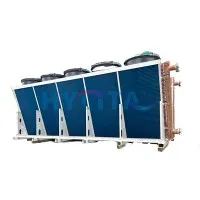
Heat exchangers play a crucial role in the absorption chiller system. They are responsible for transferring heat between different parts of the system. For example, Plate - fin Air Water Heat Exchanger is a type of heat exchanger that can be used in absorption chillers. It offers high heat transfer efficiency and compact design, which helps to improve the overall performance of the system.
Another type is the Stainless Steel Air Fin Cooler. It's made of stainless steel, which makes it corrosion - resistant and suitable for harsh environments. These heat exchangers are essential for ensuring that the absorption chiller operates efficiently.
Chiller Design
The design of the absorption chiller itself also affects its energy consumption. Modern absorption chillers are designed to be more energy - efficient than older models. For example, Air - cooled Chiller Cooler uses air as a cooling medium instead of water in some cases. This can reduce water consumption and also make the system more suitable for areas with limited water resources.
Why Choose Our Absorption Chiller Cooling Systems
As a chiller cooling system supplier, we offer a wide range of absorption chiller products that are designed to be energy - efficient and reliable. Our chillers can be customized to use different energy sources, whether it's natural gas, waste heat, or solar energy.
We understand that every customer has unique needs, and we work closely with you to find the best solution for your specific application. Our team of experts can help you assess the availability of energy sources at your location and recommend the most suitable absorption chiller for your facility.
If you're looking for a cost - effective and environmentally friendly cooling solution, our absorption chiller cooling systems are definitely worth considering. We use the latest technology and high - quality components to ensure that our chillers provide reliable and efficient cooling for years to come.
Let's Connect
If you're interested in learning more about our absorption chiller cooling systems or have any questions about the energy sources for these systems, don't hesitate to reach out. We're here to help you make the best decision for your cooling needs. Whether you're a business owner, an engineer, or someone just curious about energy - efficient cooling, we'd love to have a chat with you.
References
- "Absorption Chillers: Principles and Applications" by XYZ Publications
- "Energy - Efficient Cooling Systems" by ABC Research Group
- Industry reports on chiller cooling technologies and energy sources