


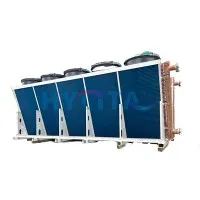
Hey there! As a supplier of finned tube radiators, I've seen firsthand how crucial proper maintenance is to keep these bad boys running smoothly. Finned tube radiators are used in a wide range of applications, from industrial settings to commercial buildings, and they play a vital role in heat transfer. So, let's dive into what maintenance is required for a finned tube radiator.
Regular Inspections
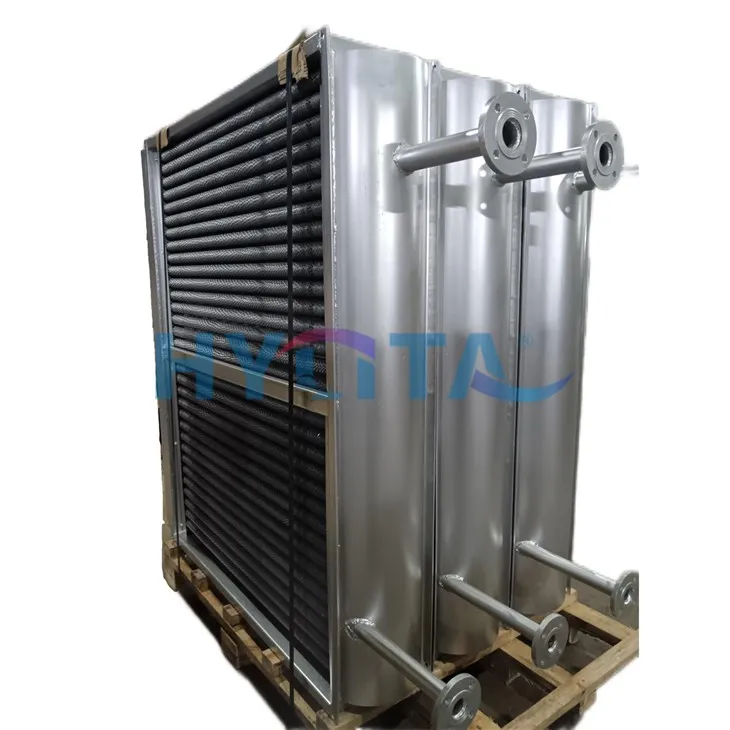
First things first, regular inspections are a must. You should visually check your finned tube radiator on a routine basis. Look for any signs of physical damage, like bent fins or leaks. Bent fins can disrupt the airflow, reducing the radiator's efficiency. You can use a fin comb to straighten out any bent fins carefully.
Leaks are another big no - no. A leak can lead to a loss of the heat transfer fluid, whether it's hot water, thermal oil, or steam. If you notice any signs of leakage, such as wet spots around the radiator or a drop in the fluid level, you need to address it immediately.
Cleaning the Fins
The fins on a finned tube radiator are designed to increase the surface area for better heat transfer. However, they can also collect dust, dirt, and debris over time. This buildup acts as an insulator, reducing the radiator's ability to transfer heat effectively.
To clean the fins, you can use compressed air. Start by turning off the radiator and letting it cool down completely. Then, use a can of compressed air or an air compressor to blow the dust and debris off the fins. Make sure to do this from different angles to get all the nooks and crannies.
If the fins are really dirty, you might need to use a mild detergent and water solution. Dip a soft brush into the solution and gently scrub the fins. Rinse thoroughly with clean water and let the radiator dry completely before turning it back on.
Checking the Fluid Levels
Depending on the type of finned tube radiator you have, it will use different heat transfer fluids. For Hot Water Radiator, you need to regularly check the water level. Low water levels can cause the radiator to overheat and reduce its efficiency. You can usually check the water level through a sight glass or a pressure gauge. If the water level is low, add more water according to the manufacturer's instructions.
For Thermal Oil Radiator, the oil level is equally important. Over time, the oil can break down or leak, so it's essential to monitor the level. You may also need to change the thermal oil periodically to maintain its heat transfer properties.
In the case of a Steam Exchanger, you need to ensure that the steam pressure is within the recommended range. High or low steam pressure can affect the performance of the radiator and even cause damage.

Lubricating Moving Parts
Some finned tube radiators have moving parts, such as fans or pumps. These parts need to be lubricated regularly to ensure smooth operation. Check the manufacturer's guidelines for the type of lubricant to use and how often to apply it. Over - lubricating can also be a problem, so make sure to follow the instructions carefully.
Monitoring the Temperature
Keep an eye on the temperature of the radiator and the surrounding environment. If the radiator is running too hot or too cold, it could indicate a problem. A sudden increase in temperature might mean there's a blockage in the system, while a decrease could be due to a leak or a malfunctioning component.
You can use a thermometer to measure the temperature at different points on the radiator. Compare the readings with the normal operating temperature range provided by the manufacturer. If you notice any significant deviations, investigate the cause immediately.
Testing the Controls
Most finned tube radiators come with controls to regulate the temperature and flow of the heat transfer fluid. These controls need to be tested regularly to ensure they are working correctly. Check the thermostat, valves, and any other control devices. Make sure they are set to the correct settings and that they respond appropriately to changes in temperature.
Professional Maintenance
While you can do a lot of the maintenance tasks yourself, it's also a good idea to have a professional inspect and service your finned tube radiator at least once a year. A professional technician has the expertise and tools to identify and fix any potential problems before they become major issues. They can also perform more in - depth tests, such as pressure testing and leak detection.
Why Maintenance Matters
Proper maintenance of your finned tube radiator has several benefits. Firstly, it improves the efficiency of the radiator. A well - maintained radiator can transfer heat more effectively, which means lower energy costs for you. Secondly, it extends the lifespan of the radiator. By taking care of it, you can avoid premature wear and tear and reduce the need for costly replacements.
Finally, regular maintenance ensures the safety of your system. A malfunctioning radiator can pose a fire hazard or release harmful substances into the environment. By keeping it in good condition, you can prevent these risks.
Conclusion
So, there you have it - a comprehensive guide on what maintenance is required for a finned tube radiator. Remember, regular inspections, cleaning, checking fluid levels, lubricating moving parts, monitoring temperature, testing controls, and professional maintenance are all essential steps to keep your radiator in top shape.
If you're in the market for a new finned tube radiator or need more information on maintenance, feel free to reach out. We're here to help you make the best choice for your needs and ensure that your radiator performs at its best for years to come. Let's start a conversation about your requirements and see how we can assist you in your procurement process.
References
- Manufacturer's manuals for finned tube radiators
- Industry standards for heat exchanger maintenance
- Technical papers on heat transfer and radiator efficiency