


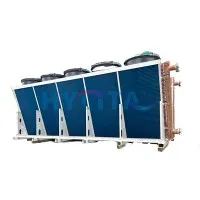
When it comes to replacing a condenser coil, having the right tools at your disposal is crucial. As a seasoned condenser coil supplier, I've witnessed firsthand the importance of using appropriate equipment to ensure a smooth and successful replacement process. In this blog post, I'll walk you through the essential tools needed for replacing a condenser coil, providing insights based on my experience in the industry.
Safety Equipment
Before diving into the actual replacement process, safety should always be your top priority. Working with condenser coils involves handling refrigerant, electrical components, and potentially sharp edges. Therefore, the following safety equipment is essential:
- Safety Glasses: Protect your eyes from debris, refrigerant leaks, and any potential splashes. Safety glasses with side shields provide additional protection.
- Gloves: Wear heavy-duty gloves to protect your hands from cuts, burns, and chemical exposure. Nitrile or rubber gloves are suitable for handling refrigerant and other chemicals.
- Respirator: A respirator is necessary when working with refrigerant gases, which can be harmful if inhaled. Choose a respirator that is approved for use with the specific refrigerant you are working with.
- Protective Clothing: Wear long-sleeved shirts, long pants, and closed-toe shoes to protect your skin from cuts, burns, and chemical exposure.
Refrigerant Handling Tools
Refrigerant is a critical component of the cooling system, and proper handling is essential to ensure the safety of the technician and the environment. The following tools are necessary for handling refrigerant:
- Refrigerant Recovery Machine: A refrigerant recovery machine is used to remove the refrigerant from the old condenser coil before replacement. This machine captures the refrigerant and stores it in a recovery cylinder for proper disposal or reuse.
- Manifold Gauge Set: A manifold gauge set is used to measure the pressure and temperature of the refrigerant in the system. This tool helps the technician determine the correct amount of refrigerant to add to the system after the new condenser coil is installed.
- Refrigerant Scale: A refrigerant scale is used to measure the amount of refrigerant being added to the system. This tool ensures that the correct amount of refrigerant is added, which is crucial for the proper operation of the cooling system.
- Leak Detector: A leak detector is used to detect any refrigerant leaks in the system. This tool helps the technician identify and repair any leaks before adding refrigerant to the system.
Electrical Tools
Condenser coils are typically connected to the electrical system of the cooling unit, and proper electrical connections are essential for the safe and efficient operation of the system. The following tools are necessary for working with electrical components:


- Multimeter: A multimeter is used to measure voltage, current, and resistance in the electrical system. This tool helps the technician diagnose any electrical problems and ensure that the electrical connections are correct.
- Wire Strippers: Wire strippers are used to remove the insulation from electrical wires. This tool is necessary for making electrical connections and ensuring that the wires are properly insulated.
- Screwdrivers: Screwdrivers are used to remove and install electrical components, such as switches, relays, and terminals. Choose screwdrivers with the appropriate size and type of tip for the job.
- Pliers: Pliers are used to grip and manipulate electrical wires and components. Choose pliers with the appropriate size and type of jaws for the job.
Mechanical Tools
In addition to refrigerant handling and electrical tools, several mechanical tools are necessary for removing and installing the condenser coil. The following tools are commonly used for this purpose:
- Socket Wrench Set: A socket wrench set is used to remove and install bolts and nuts. Choose a set with a variety of socket sizes to fit the different bolts and nuts used in the condenser coil and the cooling unit.
- Screwdriver Set: A screwdriver set is used to remove and install screws. Choose a set with a variety of screwdriver tips to fit the different types of screws used in the condenser coil and the cooling unit.
- Pipe Cutters: Pipe cutters are used to cut refrigerant lines and other pipes. Choose a pipe cutter that is suitable for the size and type of pipe you are working with.
- Flare Nut Wrench: A flare nut wrench is used to remove and install flare nuts on refrigerant lines. This tool helps prevent damage to the flare nuts and ensures a proper seal.
- Torque Wrench: A torque wrench is used to tighten bolts and nuts to the specified torque. This tool helps prevent over-tightening or under-tightening of bolts and nuts, which can lead to leaks or other problems.
Additional Tools
Depending on the specific requirements of the replacement job, you may need additional tools. The following tools are commonly used in condenser coil replacement jobs:
- Vacuum Pump: A vacuum pump is used to evacuate the air and moisture from the refrigerant system before adding refrigerant. This tool helps ensure the proper operation of the cooling system and prevents damage to the compressor.
- Pressure Testing Equipment: Pressure testing equipment is used to test the refrigerant system for leaks after the new condenser coil is installed. This tool helps ensure that the system is leak-free and operating properly.
- Lifting Equipment: If the condenser coil is large or heavy, you may need lifting equipment, such as a hoist or a forklift, to remove and install the coil.
- Cleaning Supplies: Cleaning supplies, such as brushes, solvents, and rags, are used to clean the condenser coil and the surrounding area before and after installation. This helps ensure the proper operation of the cooling system and prevents the buildup of dirt and debris.
Conclusion
Replacing a condenser coil is a complex task that requires the use of specialized tools and equipment. As a condenser coil supplier, I understand the importance of using the right tools to ensure a successful replacement process. By following the guidelines outlined in this blog post and using the appropriate tools, you can replace a condenser coil safely and efficiently.
If you're in the market for a new condenser coil or need assistance with a replacement job, I encourage you to explore our wide range of products, including Condenser and Coil for Data Center Cooling, Marine Condenser Unit, and Industrial Condenser Unit. Our team of experts is available to provide you with the support and guidance you need to make the right choice for your specific needs. Contact us today to start the procurement discussion and take the first step towards a more efficient cooling system.
References
- ASHRAE Handbook - Refrigeration
- EPA Refrigerant Management Regulations
- Manufacturer's Installation and Maintenance Manuals