


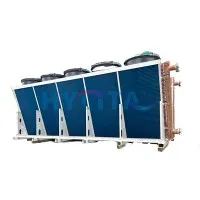
Hey there! I'm a supplier of dry coolers, and I know firsthand how frustrating fouling can be. Fouling in a dry cooler can lead to reduced efficiency, increased energy consumption, and even equipment failure. But don't worry, I've got some tips and tricks to help you prevent fouling and keep your dry cooler running smoothly.
Understanding Fouling in Dry Coolers
First things first, let's talk about what fouling is. In a dry cooler, fouling refers to the accumulation of dirt, dust, debris, and other contaminants on the heat transfer surfaces. This buildup can act as an insulator, reducing the efficiency of the heat transfer process. There are several types of fouling that can occur in a dry cooler:


- Particulate Fouling: This is the most common type of fouling and is caused by the accumulation of dust, dirt, and other small particles on the heat exchanger surfaces. These particles can come from the surrounding environment, such as construction sites, industrial areas, or even just normal air pollution.
- Biological Fouling: Microorganisms like bacteria, algae, and fungi can grow on the heat exchanger surfaces, especially in warm and humid conditions. This biological growth can form a slimy layer that reduces heat transfer efficiency and can also cause corrosion.
- Chemical Fouling: Chemical reactions can occur on the heat exchanger surfaces, leading to the formation of deposits. For example, if the water used in the dry cooler contains high levels of minerals, these minerals can precipitate out and form scale on the surfaces.
Preventive Measures
Regular Cleaning
One of the most effective ways to prevent fouling is to keep your dry cooler clean. Regular cleaning can remove the accumulated dirt, dust, and debris before they have a chance to cause significant problems. Here are some cleaning tips:
- External Cleaning: Use a soft brush or a low - pressure water spray to clean the exterior of the dry cooler. This will remove any loose dirt and debris from the fins and other exposed surfaces. Make sure to clean the area around the dry cooler as well to prevent dirt from blowing back onto the unit.
- Internal Cleaning: Periodically, you should also clean the internal components of the dry cooler. This may involve using a specialized cleaning solution to remove scale and other deposits from the heat exchanger tubes. However, be careful when using cleaning solutions, as some may be corrosive to certain materials.
Air Filtration
Installing high - quality air filters can significantly reduce the amount of particulate matter that enters the dry cooler. Air filters can trap dust, pollen, and other small particles before they reach the heat exchanger surfaces. Here are some things to consider when choosing air filters:
- Filter Efficiency: Look for filters with a high MERV (Minimum Efficiency Reporting Value) rating. A higher MERV rating means that the filter can capture smaller particles.
- Filter Replacement: Regularly replace the air filters according to the manufacturer's recommendations. A clogged filter can restrict airflow, which can reduce the efficiency of the dry cooler and also increase the risk of fouling.
Water Treatment (if applicable)
If your dry cooler uses water in its operation, proper water treatment is essential to prevent chemical and biological fouling. Here are some water treatment methods:
- Softening: If the water has a high mineral content, using a water softener can remove the calcium and magnesium ions that cause scale formation.
- Disinfection: To prevent biological growth, you can use disinfectants such as chlorine or ozone to kill bacteria and other microorganisms in the water.
- pH Control: Maintaining the proper pH level of the water can also help prevent chemical reactions that lead to fouling.
Proper Installation and Location
The way you install and locate your dry cooler can also affect the risk of fouling. Here are some installation and location tips:
- Avoid Polluted Areas: Try to install the dry cooler in an area away from sources of pollution, such as industrial chimneys, construction sites, or busy roads.
- Proper Ventilation: Make sure the dry cooler has adequate ventilation. Poor ventilation can lead to the buildup of heat and humidity, which can promote biological fouling.
- Clearance: Leave enough clearance around the dry cooler for proper airflow. This will help prevent the recirculation of hot and dirty air.
Our Dry Cooler Products
We offer a wide range of dry coolers to meet your specific needs. Check out our Server Dry Cooler, which is designed specifically for cooling server rooms. It's highly efficient and can help prevent fouling with its advanced design and filtration system.
Our Horizontal Dry Cooler is another great option. It's easy to install and maintain, and it's suitable for a variety of applications.
If you're interested in liquid immersion cooling, our Liquid Immersion Cooling Dry Cooler is the perfect choice. It's designed to work with liquid immersion cooling systems and can effectively prevent fouling in this unique application.
Monitoring and Maintenance
In addition to the preventive measures mentioned above, regular monitoring and maintenance are crucial to ensure the long - term performance of your dry cooler. Here are some monitoring and maintenance tasks:
- Temperature and Pressure Monitoring: Regularly check the temperature and pressure of the dry cooler. Any significant changes in these parameters could indicate a problem, such as fouling or a blockage.
- Inspection: Periodically inspect the dry cooler for signs of fouling, corrosion, or other damage. Look for discoloration, deposits, or any unusual noises or vibrations.
- Lubrication: If the dry cooler has moving parts, such as fans or pumps, make sure to lubricate them regularly to prevent wear and tear.
Conclusion
Preventing fouling in a dry cooler is essential for maintaining its efficiency and longevity. By following the preventive measures outlined in this blog, such as regular cleaning, air filtration, water treatment, proper installation, and monitoring, you can significantly reduce the risk of fouling.
If you're in the market for a dry cooler or need more information on fouling prevention, don't hesitate to reach out. We're here to help you find the best solution for your needs and ensure that your dry cooler operates at its best. Contact us today to start the procurement and negotiation process!
References
- "Heat Exchanger Fouling and Cleaning: Fundamentals and Applications" by Hartmut Müller - Steinhagen.
- "Industrial Heat Exchangers: Selection, Design, and Thermal Calculations" by D. Q. Kern.