


Is heat energy recovery cost - effective?
As a supplier of Heat Energy Recovery systems, I've witnessed firsthand the growing interest in this technology. In today's world, where energy costs are soaring and environmental concerns are at the forefront, businesses and industries are constantly on the lookout for ways to optimize their energy usage. Heat energy recovery is one such solution that has gained significant traction, but the question remains: Is it cost - effective?
The Basics of Heat Energy Recovery
Heat energy recovery involves capturing and reusing heat that would otherwise be wasted. Industries such as manufacturing, power generation, and food processing generate a substantial amount of waste heat during their operations. This waste heat can be harnessed through various heat recovery systems and used for other processes within the facility or even for heating the building itself.
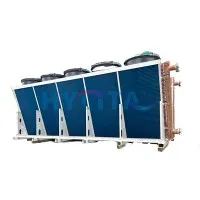
One of the key components in heat energy recovery is the heat exchanger. Heat exchangers transfer heat from a hot fluid to a cold fluid without mixing the two. There are different types of heat exchangers, including shell - and - tube, plate, and finned - tube heat exchangers, each suitable for different applications.
Another important aspect is the economizer. An economizer is a device that pre - heats the feedwater going into a boiler by using the waste heat from the flue gases. For example, a Carbon Steel Economiser is a popular choice due to its durability and cost - effectiveness. It can significantly improve the efficiency of a boiler system by reducing the amount of fuel needed to heat the water to the desired temperature.
Cost - Benefit Analysis
To determine whether heat energy recovery is cost - effective, we need to conduct a comprehensive cost - benefit analysis. The initial investment in a heat energy recovery system can be substantial. This includes the cost of purchasing and installing the equipment, such as heat exchangers, economizers, and pumps. There are also costs associated with system design, engineering, and commissioning.
However, the long - term benefits can far outweigh the initial costs. One of the primary benefits is energy savings. By reusing waste heat, businesses can reduce their reliance on external energy sources, such as natural gas or electricity. This leads to lower energy bills, which can result in significant cost savings over time. For instance, in a large manufacturing plant, the energy savings from a well - designed heat energy recovery system can amount to hundreds of thousands of dollars per year.
In addition to energy savings, heat energy recovery can also have a positive impact on the environment. By reducing the consumption of fossil fuels, businesses can lower their carbon emissions. This not only helps to meet environmental regulations but also enhances the company's corporate social responsibility image. In some regions, there are also incentives and subsidies available for businesses that invest in energy - efficient technologies, which can further offset the initial investment.
Another benefit is the potential for increased productivity. In some industrial processes, having a stable and reliable source of pre - heated water or air can improve the efficiency of the production line. For example, in a food processing plant, using recovered heat to pre - heat the water for cleaning and sterilization processes can speed up the production cycle and reduce downtime.
Real - World Examples
Let's take a look at some real - world examples to illustrate the cost - effectiveness of heat energy recovery. A chemical manufacturing plant installed a Heat Exhaust Recovery system to capture the waste heat from its exhaust gases. The initial investment was approximately $500,000. However, after the system was installed, the plant was able to reduce its natural gas consumption by 30%. This resulted in annual energy savings of around $200,000. Based on these savings, the payback period for the investment was less than three years.
In a commercial building, a heat energy recovery ventilation system was installed to capture the heat from the exhaust air and use it to pre - heat the incoming fresh air. The system cost around $100,000 to install. After installation, the building's heating costs were reduced by 25%. With annual energy savings of approximately $25,000, the payback period was four years.
Challenges and Considerations
While heat energy recovery offers many benefits, there are also some challenges and considerations that need to be taken into account. One of the main challenges is the complexity of the system design. Each application is unique, and the heat energy recovery system needs to be carefully designed to match the specific requirements of the facility. This requires expertise in heat transfer, fluid dynamics, and process engineering.
Another challenge is the maintenance of the system. Heat exchangers and other components can become fouled over time, which can reduce their efficiency. Regular cleaning and maintenance are essential to ensure the optimal performance of the system. There are also costs associated with spare parts and labor for maintenance.
The compatibility of the heat energy recovery system with the existing infrastructure is also an important consideration. In some cases, modifications to the existing equipment or piping may be required, which can add to the overall cost of the project.
Conclusion
In conclusion, heat energy recovery is generally a cost - effective solution for businesses and industries looking to reduce their energy costs and environmental impact. While the initial investment may be high, the long - term benefits in terms of energy savings, productivity improvements, and environmental sustainability make it a worthwhile investment.


As a Heat Energy Recovery supplier, we have the expertise and experience to design and install customized heat energy recovery systems that meet the specific needs of our clients. If you're interested in learning more about how heat energy recovery can benefit your business, we encourage you to contact us for a detailed consultation. Our team of experts will work with you to conduct a cost - benefit analysis and develop a solution that maximizes your return on investment.
References
- Incropera, F. P., & DeWitt, D. P. (2002). Fundamentals of Heat and Mass Transfer. John Wiley & Sons.
- Duffie, J. A., & Beckman, W. A. (2013). Solar Engineering of Thermal Processes. John Wiley & Sons.
- ASHRAE Handbook: HVAC Systems and Equipment. American Society of Heating, Refrigerating and Air - Conditioning Engineers.