


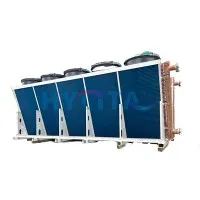
As a seasoned supplier of oil coolers, I understand the critical importance of ensuring the functionality of these devices. Oil coolers play a vital role in various industrial and automotive applications, helping to maintain optimal oil temperatures and prevent overheating, which can lead to equipment damage and reduced efficiency. In this blog post, I'll share some comprehensive insights on how to test the functionality of an oil cooler, drawing on my years of experience in the industry.
Understanding the Basics of Oil Coolers
Before delving into the testing process, it's essential to have a clear understanding of how oil coolers work. There are several types of oil coolers available in the market, each with its own unique design and operating principles. The most common types include Water-cooled Industrial Cooler, Air-cooled Industrial Cooler, and Finned Oil Cooler.
Water-cooled oil coolers use water as a cooling medium to transfer heat from the oil. They typically consist of a series of tubes or plates through which the oil flows, while water circulates around them to absorb the heat. Air-cooled oil coolers, on the other hand, rely on air to dissipate heat. They feature fins or heat sinks that increase the surface area for heat transfer, allowing the air to carry away the heat more effectively. Finned oil coolers are a type of air-cooled cooler that has additional fins to enhance heat dissipation.
Preparing for the Test
Before conducting any tests on an oil cooler, it's crucial to take some necessary precautions and prepare the equipment properly. Here are the steps you should follow:
- Inspect the Cooler: Begin by visually inspecting the oil cooler for any signs of damage, such as leaks, cracks, or bent fins. Check the connections and fittings to ensure they are secure and free from any signs of corrosion or wear.
- Clean the Cooler: If the cooler is dirty or clogged with debris, it can affect its performance. Use a soft brush or compressed air to clean the fins and remove any dirt or debris. Avoid using abrasive materials that could damage the fins.
- Check the Oil Level: Ensure that the oil level in the system is at the recommended level. Low oil levels can cause the cooler to overheat and reduce its efficiency.
- Verify the Cooling Medium: If you're testing a water-cooled oil cooler, check the water level and quality in the cooling system. Make sure the water is clean and free from any contaminants that could clog the tubes or cause corrosion.
- Prepare the Testing Equipment: You'll need some basic testing equipment, such as a thermometer, pressure gauge, and flow meter, to measure the temperature, pressure, and flow rate of the oil and cooling medium. Make sure the equipment is calibrated and in good working condition.
Conducting the Functionality Tests
Once you've prepared the oil cooler and the testing equipment, you can proceed with the functionality tests. Here are the key tests you should perform:
Temperature Test
The temperature test is one of the most important tests for an oil cooler. It measures the ability of the cooler to reduce the temperature of the oil to the desired level. To conduct the temperature test, follow these steps:
- Start the System: Start the equipment or engine that uses the oil cooler and allow it to reach its normal operating temperature.
- Measure the Inlet and Outlet Temperatures: Use a thermometer to measure the temperature of the oil at the inlet and outlet of the cooler. Record the readings at regular intervals, such as every 5 minutes, until the temperatures stabilize.
- Calculate the Temperature Difference: Subtract the outlet temperature from the inlet temperature to calculate the temperature difference. A significant temperature difference indicates that the cooler is working effectively.
- Compare the Results: Compare the temperature difference with the manufacturer's specifications or the recommended values for your application. If the temperature difference is lower than expected, it could indicate a problem with the cooler, such as a clogged tube or a malfunctioning fan.
Pressure Test
The pressure test measures the pressure drop across the oil cooler. It helps to determine if there are any restrictions or blockages in the cooler that could affect the oil flow. To conduct the pressure test, follow these steps:
- Install Pressure Gauges: Install pressure gauges at the inlet and outlet of the cooler to measure the pressure of the oil.
- Start the System: Start the equipment or engine and allow it to reach its normal operating pressure.
- Record the Pressure Readings: Record the pressure readings at the inlet and outlet of the cooler. Calculate the pressure drop by subtracting the outlet pressure from the inlet pressure.
- Compare the Results: Compare the pressure drop with the manufacturer's specifications or the recommended values for your application. A high pressure drop could indicate a clogged tube, a damaged fin, or a problem with the oil pump.
Flow Rate Test
The flow rate test measures the volume of oil that passes through the cooler per unit of time. It helps to ensure that the cooler is receiving an adequate supply of oil for effective cooling. To conduct the flow rate test, follow these steps:
- Install a Flow Meter: Install a flow meter in the oil line upstream of the cooler to measure the flow rate of the oil.
- Start the System: Start the equipment or engine and allow it to reach its normal operating speed.
- Record the Flow Rate: Record the flow rate of the oil at the inlet of the cooler. Make sure to take multiple readings at different operating conditions to get an accurate average.
- Compare the Results: Compare the flow rate with the manufacturer's specifications or the recommended values for your application. A low flow rate could indicate a clogged filter, a damaged pump, or a restriction in the oil line.
Leak Test
The leak test is essential to detect any leaks in the oil cooler. Leaks can cause oil loss, reduce the efficiency of the cooler, and pose a safety hazard. To conduct the leak test, follow these steps:
- Pressurize the System: Pressurize the oil system to the recommended operating pressure using a pressure pump or the equipment's own oil pump.
- Inspect the Cooler: Visually inspect the cooler for any signs of oil leakage, such as oil stains or drips. Pay close attention to the connections, fittings, and joints.
- Use a Leak Detection Solution: If you suspect a leak but can't see it visually, you can use a leak detection solution. Apply the solution to the suspected areas and look for bubbles, which indicate a leak.
- Repair the Leaks: If you find any leaks, repair them immediately using the appropriate sealing materials or replacement parts.
Analyzing the Test Results
After conducting the functionality tests, it's important to analyze the test results to determine the condition of the oil cooler. Here are some key points to consider:
- Compare with Specifications: Compare the test results with the manufacturer's specifications or the recommended values for your application. If the results are within the acceptable range, the cooler is likely functioning properly.
- Look for Trends: Analyze the test results over time to identify any trends or patterns. For example, if the temperature difference is gradually decreasing or the pressure drop is increasing, it could indicate a developing problem with the cooler.
- Consider the Operating Conditions: Take into account the operating conditions of the equipment or engine, such as the load, speed, and ambient temperature. These factors can affect the performance of the oil cooler and should be considered when interpreting the test results.
- Seek Professional Advice: If you're unsure about the test results or if you suspect a problem with the cooler, seek the advice of a professional technician or the manufacturer. They can provide more in-depth analysis and recommend the appropriate course of action.
Conclusion
Testing the functionality of an oil cooler is an essential part of maintaining the performance and reliability of your equipment or engine. By following the steps outlined in this blog post, you can ensure that your oil cooler is working effectively and efficiently. Remember to conduct regular maintenance and inspections to prevent problems and extend the lifespan of the cooler.
If you're in the market for a high-quality oil cooler or need assistance with testing or maintaining your existing cooler, please don't hesitate to contact us. We're a leading supplier of oil coolers and have a team of experienced professionals who can provide you with the best solutions for your needs. Let's work together to keep your equipment running smoothly and efficiently.


References
- Manufacturer's manuals and specifications for oil coolers
- Industry standards and guidelines for testing and maintenance of oil coolers
- Technical literature and research papers on heat transfer and cooling systems