


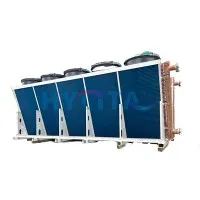
Yo, I'm running a condenser coil supply business, and I often get questions from customers about why condenser coils freeze. It's a common issue that can cause a whole lot of headaches, so I thought I'd break down the main reasons behind it.
Low Refrigerant Levels
One of the most frequent culprits for a frozen condenser coil is low refrigerant levels. Refrigerant is like the life - blood of your cooling system. It absorbs heat from the indoor air and releases it outside through the condenser coil. When there's not enough refrigerant, the pressure inside the system drops. This drop in pressure causes the temperature of the refrigerant to plummet, and when it passes through the condenser coil, it can make the coil so cold that moisture in the air freezes on it.
There are a few reasons why refrigerant levels might be low. Sometimes, there's a leak in the system. Over time, vibrations, corrosion, or physical damage can create small holes in the refrigerant lines. If you suspect a leak, it's a good idea to get a professional to check it out. They can use special tools to find the leak and then recharge the system with the right amount of refrigerant.
Dirty Condenser Coils
Another big reason for a frozen condenser coil is dirt and debris buildup. The condenser coil works by transferring heat from the refrigerant to the outside air. But if the coil is covered in dirt, dust, leaves, or other junk, it can't do its job properly. The dirt acts as an insulator, preventing the heat from being released efficiently. As a result, the refrigerant doesn't warm up as it should, and the coil can get cold enough to freeze.
Regular maintenance is key to preventing this problem. You can clean the condenser coils yourself if you're comfortable doing it. Just make sure to turn off the power to the unit first. Use a soft brush or a vacuum cleaner with a brush attachment to gently remove the dirt from the coils. If the coils are really dirty, you might need to use a coil cleaner. You can find these at most hardware stores. After cleaning, rinse the coils thoroughly with water.
Faulty Blower Motor
The blower motor is responsible for moving air over the condenser coil. If the blower motor isn't working correctly, there won't be enough air flow over the coil. Without proper air flow, the heat transfer process is disrupted. The refrigerant can't release its heat, and the coil can freeze.
There are a few signs that your blower motor might be faulty. If you hear strange noises coming from the unit, like grinding or squealing, it could be a sign of a problem. You might also notice that the air coming from the vents isn't as strong as it used to be. If you suspect a faulty blower motor, it's best to have it checked by a professional. They can test the motor and determine if it needs to be repaired or replaced.
Blocked Air Vents
Blocked air vents can also lead to a frozen condenser coil. Air vents are designed to allow air to flow freely in and out of the system. If they're blocked by furniture, curtains, or other objects, the air can't circulate properly. This can cause the pressure and temperature inside the system to become unbalanced, leading to a frozen coil.
Make sure to keep your air vents clear at all times. Check around the indoor and outdoor units to make sure there are no obstructions. If you have vents in the floor or walls, make sure they're not covered by rugs or other items.
Incorrect Thermostat Settings
Believe it or not, incorrect thermostat settings can also cause a condenser coil to freeze. If you set the thermostat too low, the system will run for longer periods of time, trying to reach the desired temperature. This can put extra strain on the condenser coil and cause it to get too cold.
It's a good idea to set your thermostat to a reasonable temperature. For most homes, a temperature between 72°F and 78°F is comfortable. You can also use a programmable thermostat to adjust the temperature based on your schedule. This can help save energy and prevent problems with your condenser coil.
Types of Condenser Units and Freezing Issues
Now, depending on the type of condenser unit you have, you might face different challenges. For instance, Marine Condenser Unit are used in boats and ships. They operate in a harsh marine environment, which means they're more likely to be exposed to saltwater, which can cause corrosion and clogging. This can lead to freezing issues if not properly maintained.
Industrial Condenser Unit are used in large - scale industrial applications. These units often work under high - pressure and high - temperature conditions. If the cooling system isn't properly designed or maintained, the condenser coil can freeze, causing costly downtime.
Condenser and Coil for Data Center Cooling are crucial for keeping data centers at the right temperature. Data centers generate a lot of heat, and the condenser coils need to work efficiently to remove that heat. Any freezing issues can disrupt the cooling process and potentially damage the sensitive equipment in the data center.
Conclusion
So, there you have it - the main reasons why a condenser coil can freeze. Low refrigerant levels, dirty coils, faulty blower motors, blocked air vents, and incorrect thermostat settings are all common culprits. By understanding these causes, you can take steps to prevent your condenser coil from freezing.


If you're having problems with your condenser coil or if you're in the market for a new one, don't hesitate to reach out. We've got a wide range of high - quality condenser coils to suit different needs. Whether you need a marine condenser unit, an industrial condenser unit, or a condenser and coil for data center cooling, we can help. Just contact us, and we'll work with you to find the best solution for your situation.
References
- "HVAC Systems: Operation, Maintenance, and Troubleshooting" by James D. Spitler
- "Refrigeration and Air Conditioning Technology" by William C. Whitman, William M. Johnson, and John Tomczyk