


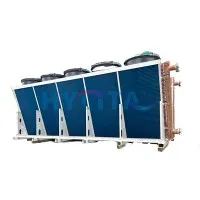
Hey there! As a supplier of economizer tubes, I've seen firsthand how fouling can be a real headache for anyone using these tubes. Fouling not only reduces the efficiency of economizers but also increases maintenance costs and can even lead to system failures if left unchecked. In this blog post, I'm gonna share some tips on how to reduce the fouling of economizer tubes.
Understanding Fouling
Before we dive into the solutions, let's first understand what fouling is. Fouling is the accumulation of unwanted materials on the surface of the economizer tubes. These materials can include dust, dirt, soot, scale, and even biological growth. There are several factors that can contribute to fouling, such as the quality of the fuel being burned, the operating conditions of the economizer, and the design of the tube itself.
Choose the Right Tube Material
One of the first steps in reducing fouling is to choose the right tube material. Some materials are more resistant to fouling than others. For example, stainless steel tubes are known for their corrosion resistance and smooth surface, which makes it harder for dirt and debris to stick. You can check out our SS Economiser Heat Exchanger for more details on stainless - steel options.
Another option is to use tubes with a special coating. These coatings can provide an extra layer of protection against fouling. They can be designed to be hydrophobic, which means they repel water and prevent the formation of scale and other deposits.


Optimize Operating Conditions
The way you operate your economizer can have a big impact on fouling. First of all, make sure you're burning high - quality fuel. Low - quality fuel often contains more impurities, which can lead to increased fouling. For instance, if you're using coal, try to get coal with a lower ash content.
Controlling the temperature and flow rate is also crucial. If the temperature is too high, it can cause the formation of hard scale on the tube surface. On the other hand, if the flow rate is too low, it can allow particles to settle on the tubes. You need to find the right balance for your specific system.
Regular Cleaning and Maintenance
Regular cleaning is a no - brainer when it comes to reducing fouling. There are several methods you can use to clean economizer tubes. One common method is mechanical cleaning, which involves using brushes or scrapers to remove the deposits. This can be a bit labor - intensive, but it's very effective for removing stubborn fouling.
Another option is chemical cleaning. You can use special cleaning agents to dissolve the deposits on the tube surface. However, you need to be careful when using chemicals, as they can sometimes damage the tubes if not used correctly.
In addition to cleaning, regular maintenance is also important. Check the tubes for any signs of wear and tear, corrosion, or damage. Replace any damaged tubes as soon as possible to prevent further fouling and potential system failures.
Install Anti - Fouling Devices
There are some anti - fouling devices that you can install to reduce fouling. For example, you can install soot blowers. Soot blowers use high - pressure steam or air to blow the soot and other deposits off the tubes. They can be programmed to operate at regular intervals, which helps to keep the tubes clean.
Another device is the ultrasonic cleaner. Ultrasonic cleaners use high - frequency sound waves to create tiny bubbles in a cleaning solution. These bubbles collapse near the tube surface, creating a cleaning action that can remove even the most stubborn fouling.
Monitor and Analyze
Monitoring the performance of your economizer is essential for reducing fouling. You can use sensors to measure parameters such as temperature, pressure, and flow rate. By analyzing these data, you can detect any changes in the system that may indicate fouling.
For example, if you notice a decrease in the heat transfer efficiency, it could be a sign of fouling. You can then take action to clean the tubes or adjust the operating conditions before the problem gets worse.
Waste Heat Recovery and Its Role
Waste heat recovery is an important aspect related to economizer tubes. When you recover waste heat effectively, it can also help in reducing fouling. By using waste heat, you can optimize the operating conditions of the economizer and reduce the amount of energy wasted. Check out our Waste Heat Recovery page to learn more about how it can benefit your system.
Exhaust Gas Heat Exchanger Considerations
If your economizer is part of an exhaust gas heat exchanger system, there are some additional considerations. The exhaust gas contains a lot of impurities, which can contribute to fouling. Make sure your Exhaust Gas Heat Exchanger is designed to handle these impurities. You may need to install pre - filters to remove the larger particles before the gas enters the economizer.
Conclusion
Reducing the fouling of economizer tubes is a multi - faceted challenge, but it's definitely achievable. By choosing the right tube material, optimizing operating conditions, performing regular cleaning and maintenance, installing anti - fouling devices, and monitoring the system, you can keep your economizer tubes clean and operating at peak efficiency.
If you're interested in learning more about our economizer tubes or have any questions about reducing fouling, feel free to reach out. We're here to help you find the best solutions for your needs and ensure that your economizer system runs smoothly.
References
- Smith, J. (2018). "Fouling Prevention in Heat Exchangers". Journal of Thermal Engineering.
- Johnson, A. (2019). "Optimizing Economizer Performance". Energy Efficiency Magazine.
- Brown, C. (2020). "Waste Heat Recovery Technologies". Industrial Heat Journal.