


Cooler Condenser
Your Professional Cooler Condenser Supplier
Shenzhen Hylita Heat Exchange Equipment Co., Ltd. was established on July 2, 2015, located in Maluan Chuanggu Industrial Park, Jinlong Avenue, Shahu Community, Biling Street, Pingshan District, Shenzhen. The company focuses on the development and sales of refrigeration and heat exchange equipment technology, and also involves fields such as metal processing and component manufacturing.we have always been guided by meeting customer needs, continuously optimizing products and services, and gradually emerging as a promising enterprise in the field of heat exchange equipment.
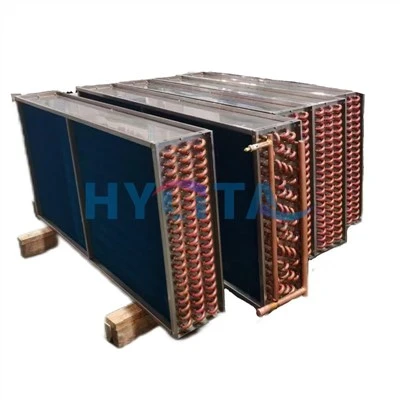
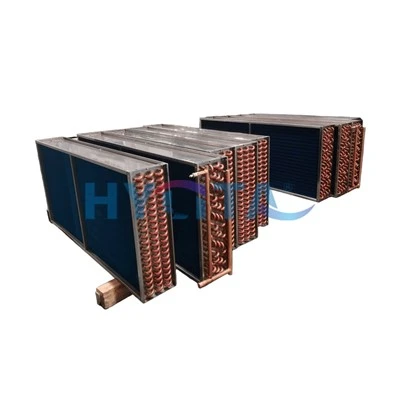
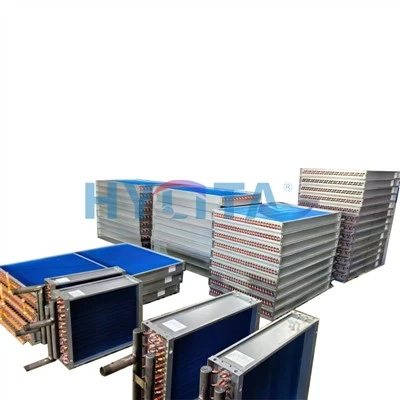
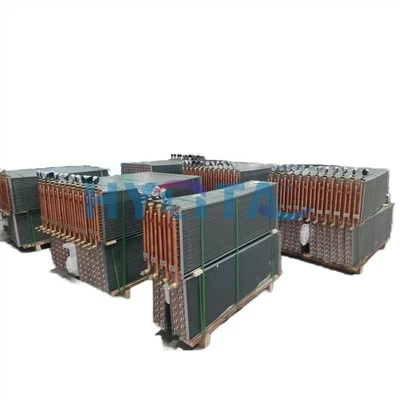
Why Choose Us
Production Market
Our heat exchanger products are popular in multiple regions around the world, particularly in Southeast Asia where they are highly favored by customers in countries such as Indonesia, Malaysia, and Thailand. Due to the vigorous development of industry in Indonesia, the demand for heat exchangers has surged.
Our Service
Shenzhen Hylita Heat Exchange Equipment Co., Ltd. has established a full process service system to provide customers with professional and thoughtful support.
Our Factory
Shenzhen Hylita Heat Exchange Equipment Co., Ltd. is located in Guangdong, China, with a spacious factory of nearly 4000 square meters. There are currently 45 workers, and the annual production equipment requires over 20 million tons of metal materials.
On-Time Delivery
Our supply chain management and production processes operate efficiently to ensure your orders are delivered punctually.
Advantages of Cooler Condenser
Improved Efficiency and Performance
One of the primary advantages of Cooler Condenser units is their high level of efficiency. Compared to air cooled systems, water cooled condensers are more effective at transferring heat. This is because water has a higher thermal capacity than air, allowing it to absorb and carry away more heat from the refrigerant or gas.
Energy Savings and Cost Efficiency
Cooler Condenser offer significant energy savings compared to air cooled systems. Air cooled units require larger fans and motors to expel heat from the system, leading to higher electricity consumption.
Space Efficiency and Flexibility
Cooler Condenser units are generally more compact than air cooled systems, making them a space-efficient choice for facilities where space is limited. Since water cooled units do not require large outdoor fans and vents to expel heat, they can be installed in more confined spaces, both indoors and outdoors.
Environmental Benefits
Cooler Condenser units can have a positive impact on the environment. Because they are more energy-efficient than air cooled systems, they produce fewer greenhouse gas emissions, reducing the overall carbon footprint of a facility.
Enhanced Durability and Longevity
Cooler Condenser units are known for their durability and long service life. Since they operate more efficiently and with less strain on their components, these systems tend to experience less wear and tear compared to air cooled units.
Lower Noise Levels
Cooler Condenser units typically operate at much lower noise levels compared to air cooled systems. Air cooled units use large, high-powered fans to blow air over the condenser coils, which can produce significant noise.
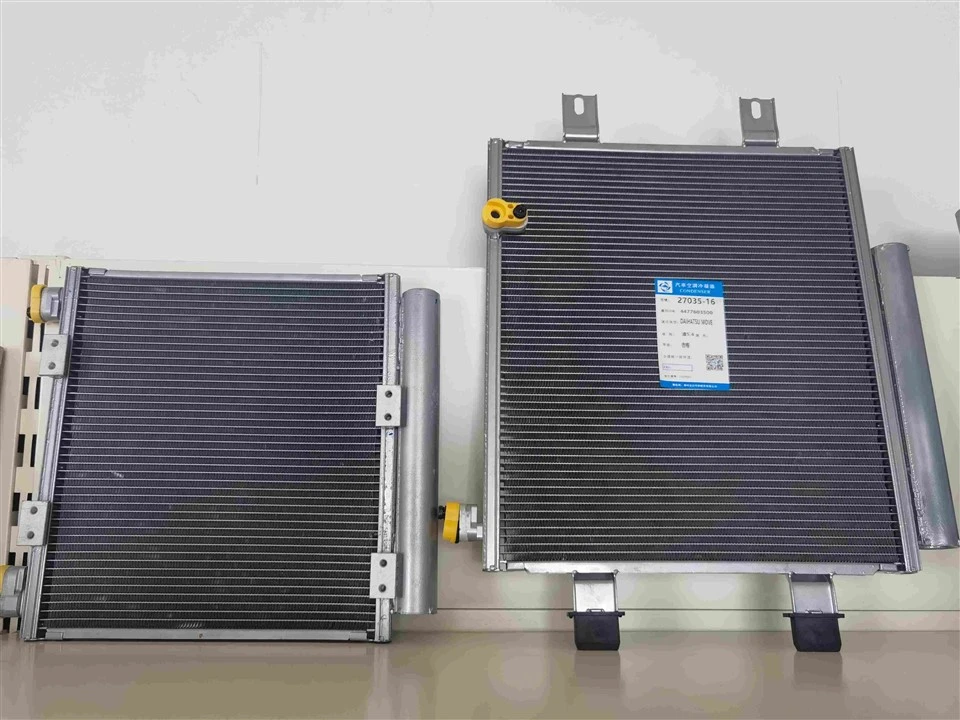
Tube-in-tube condensers feature one tube inside another, with refrigerant flowing through the inner tube and water circulating around it. This design is compact and efficient, offering reliable performance in a small footprint.
Shell and coil condensers consist of one or more coils enclosed in a welded shell. It can be arranged horizontally or vertically and is generally the most compact and least expensive option.
Shell and tube condensers are one of the most common types used in commercial settings. They consist of a shell that houses a bundle of tubes. Refrigerant flows through the tubes while water circulates around them in the shell, transferring heat effectively. This design is robust and suitable for high-capacity applications.
Refrigerant Vapor: The refrigerant, heated during the cooling process, enters the condenser as a hot, high-pressure gas.
Heat Exchange: Inside the condenser, the refrigerant vapor passes over coils or tubes filled with water. The water absorbs the heat from the refrigerant, causing the refrigerant to cool and condense into a liquid.
Heat Dissipation: The now-heated water is circulated out of the condenser and into a cooling tower or heat exchanger, where it releases the absorbed heat into the environment.
Cooling Cycle: The cooled refrigerant, now in liquid form, is then cycled back into the system to continue the cooling process, while the water is either cooled and recirculated or replaced.
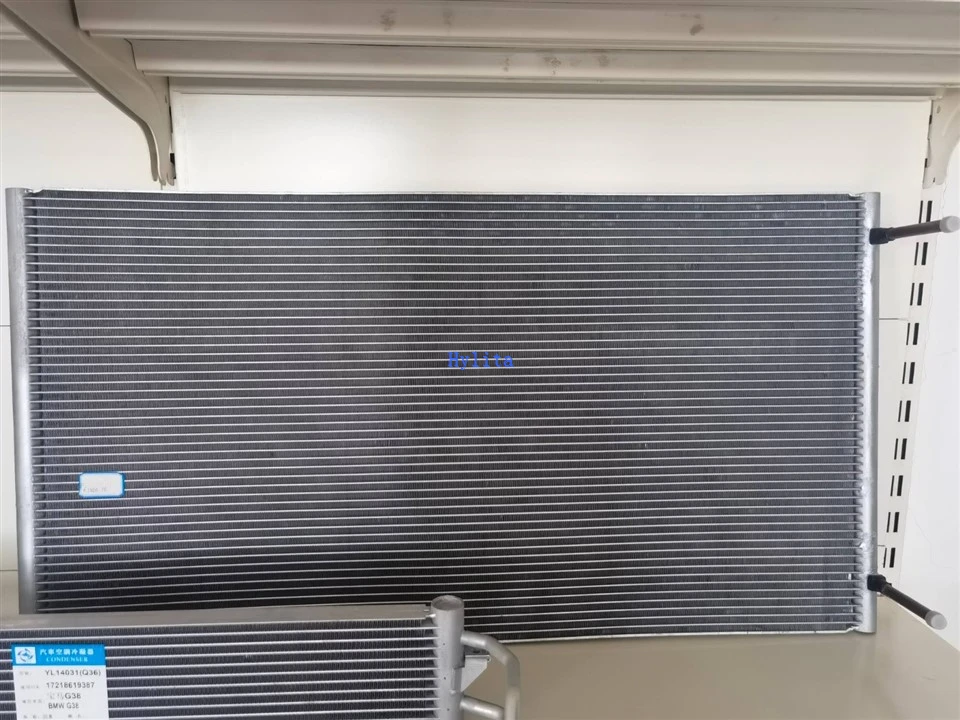
Applications of Cooler Condenser
Drying
Removes moisture from products, helping keep them quality and stable.
Process Heating
Provides heat for industrial processes, making things run more smoothly.
Space Heating
Keeps industrial and commercial spaces comfortable.
Domestic Hot Water
Provides hot water for everyday needs like kitchens and bathrooms.
Wash Down Systems
Delivers hot water on demand for cleaning production areas.
Boiler Feedwater Treatment
Improves boiler performance and lifespan by treating feedwater to prevent scale and corrosion.
We're professional cooler condenser manufacturers and suppliers in China, providing high quality customized products with low price. We warmly welcome you to wholesale cooler condenser for sale here from our factory.
Air Intermediate Cooler, cooler condenser, Evaporative Cooler Industrial