


Finned Tube
Your Professional Finned Tube Supplier
Shenzhen Hylita Heat Exchange Equipment Co., Ltd. was established on July 2, 2015, located in Maluan Chuanggu Industrial Park, Jinlong Avenue, Shahu Community, Biling Street, Pingshan District, Shenzhen. The company focuses on the development and sales of refrigeration and heat exchange equipment technology, and also involves fields such as metal processing and component manufacturing.we have always been guided by meeting customer needs, continuously optimizing products and services, and gradually emerging as a promising enterprise in the field of heat exchange equipment.
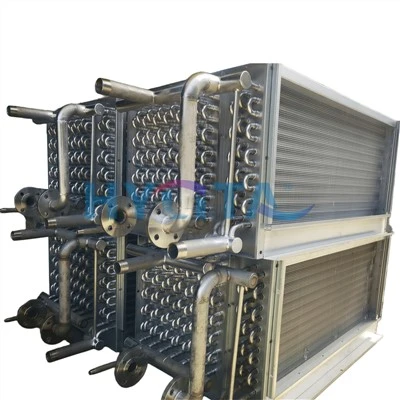
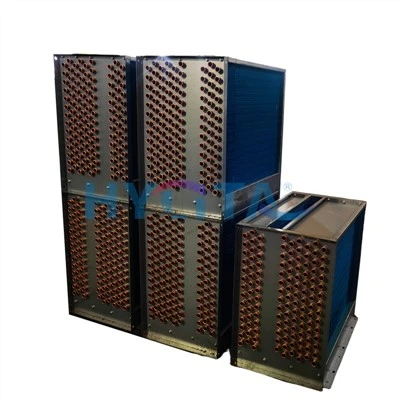
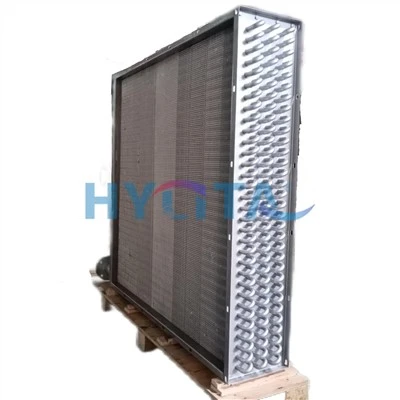
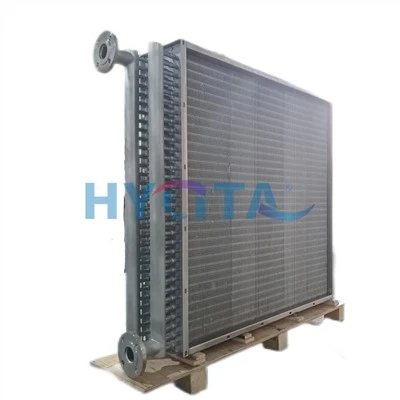
Why Choose Us
Production Market
Our heat exchanger products are popular in multiple regions around the world, particularly in Southeast Asia where they are highly favored by customers in countries such as Indonesia, Malaysia, and Thailand. Due to the vigorous development of industry in Indonesia, the demand for heat exchangers has surged.
Our Service
Shenzhen Hylita Heat Exchange Equipment Co., Ltd. has established a full process service system to provide customers with professional and thoughtful support.
Our Factory
Shenzhen Hylita Heat Exchange Equipment Co., Ltd. is located in Guangdong, China, with a spacious factory of nearly 4000 square meters. There are currently 45 workers, and the annual production equipment requires over 20 million tons of metal materials.
On-Time Delivery
Our supply chain management and production processes operate efficiently to ensure your orders are delivered punctually.

Enhanced heat transfer
Finned tubes significantly improve thermal exchange, especially when air or gas is the secondary medium.
Smaller heat exchanger footprint
A compact unit with finned tubes can achieve the same output as a much larger plain-tube system.
Lower energy costs
Improved efficiency means lower operating temperatures and reduced energy consumption.
Design Versatility
Fin geometry, density, and materials can be fully customized to match specific process requirements.
Material flexibility
Available in stainless steel, carbon steel, copper-nickel alloys, aluminum, titanium, and other materials.
Helical Solid Finned Tubes
Continuous metal strip wound around the base tube.
Ideal for high-temperature applications.
Common in petrochemical plants and refineries.
Helical Serrated Finned Tubes
Similar to solid but with serrated (cut) fins.
Increased turbulence improves heat transfer.
Used in situations requiring higher thermal efficiency.
Longitudinal Finned Tubes
Fins run along the length of the tube rather than spiraling.
Useful in gas heaters and boilers.
Tubos Aletados Incrustados
Fins are inserted and brazed or welded into grooves on the tube.
Offers superior bond strength and thermal conductivity.
Tubos Aletados Extruidos
Fins and tubes are formed from a single piece of metal.
High mechanical strength and corrosion resistance.
Ideal for corrosive environments.

Finned Tube Manufacturing Process
|
Manufacturing Step |
Explanation |
|
Material Selection |
Select Base Material (aluminum, copper, etc.). |
|
Preparation Of Tube |
Cut to length and clean tube |
|
Fin Preparation |
Trim Fin Material to Desired Length. |
|
Fin Attachment |
Fins Can Be Attached Mechanically or via Welding. |
|
Process Of Forming |
Curve Fins for Best Surface Area. |
|
Heat Treatment |
If Necessary, Heat Treat to Improve Characteristics. |
|
Inspection |
Check for Faults and Measurements. |
|
Cleaning |
Eliminate Impurities From Finished Products. |
|
Surface Treatment |
Apply Coatings for Resistance Against Corrosion. |
|
Final Inspection |
Before Packaging, Verify for Quality. |
|
Packaging |
Arrange Products for Secure Transportation. |
Materials Used in Finned Tube
Carbon Steel
Affordable and durable, commonly used in non-corrosive environments.
Stainless Steel
Excellent corrosion resistance, ideal for chemical processing.
Aluminum
Lightweight with decent conductivity, common for air-cooled applications.
Application of Finned Tube
HVAC Systems
One of the most common uses of finned tubes is in heating, ventilation, and air conditioning (HVAC) systems. They are integral to components such as air conditioners, heaters, and radiators, where they facilitate the efficient exchange of heat between air and refrigerants.
Power Generation
In power plants, finned tubes are used extensively in boilers, condensers, and air preheaters. These applications rely on the tubes to manage heat flow, improve energy efficiency, and ensure optimal performance of the power generation process.
Petrochemical Industry
Finned tubes are vital in the petrochemical sector, especially in refinery heat exchangers. These tubes help regulate the temperature of process fluids, ensuring consistent operation under high-pressure and high-temperature conditions.
Food and Beverage Processing
The food processing industry utilizes finned tubes in systems such as dryers and coolers. They are crucial for controlling temperature in the production of various products including grains, dairy items, and frozen foods, where precise thermal control is essential for quality and safety.
We're professional finned tube manufacturers and suppliers in China, providing high quality customized products with low price. We warmly welcome you to wholesale finned tube for sale here from our factory.
Copper Fin Radiator, Copper Fin Tube Radiators, Fin Radiator